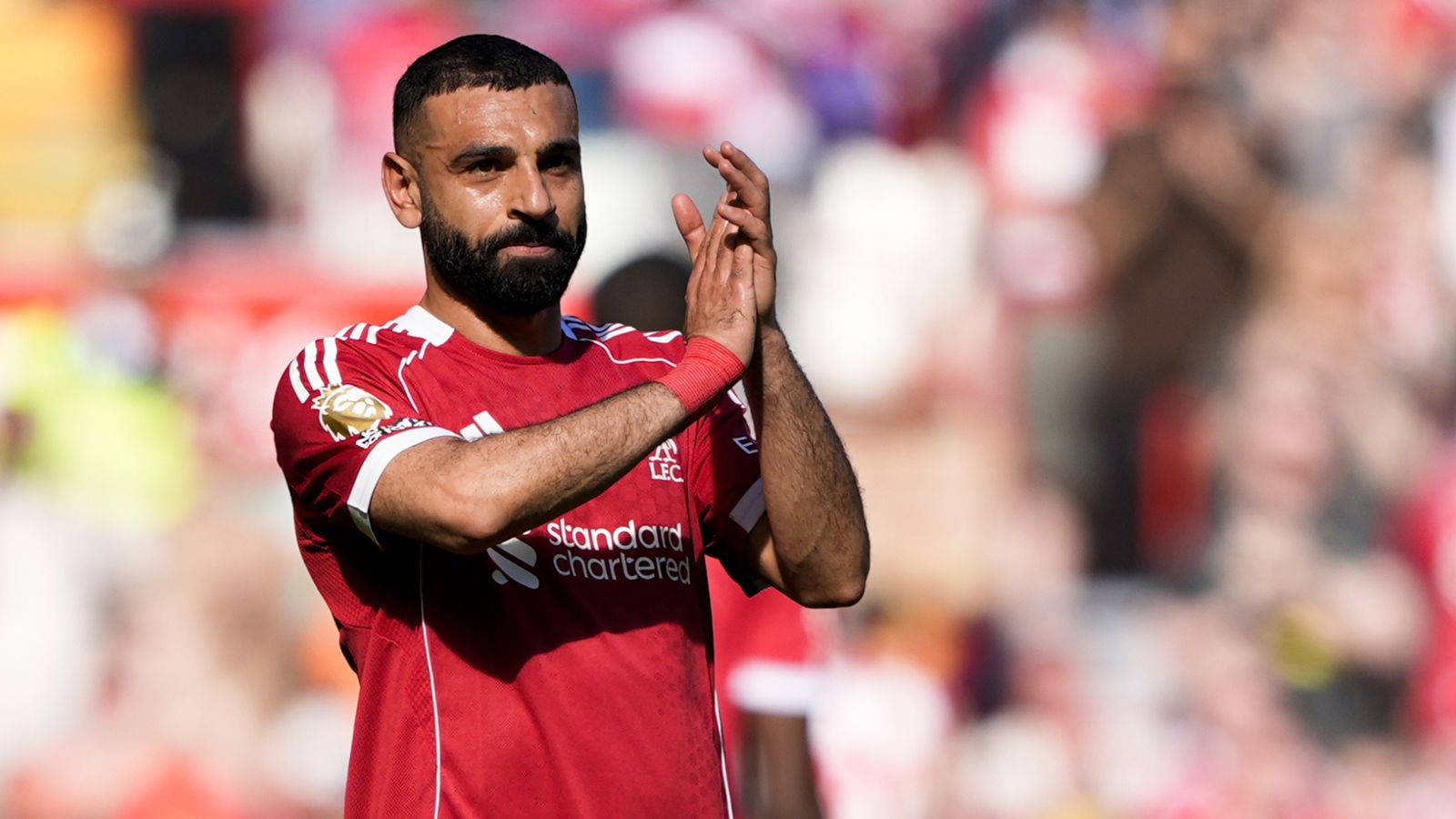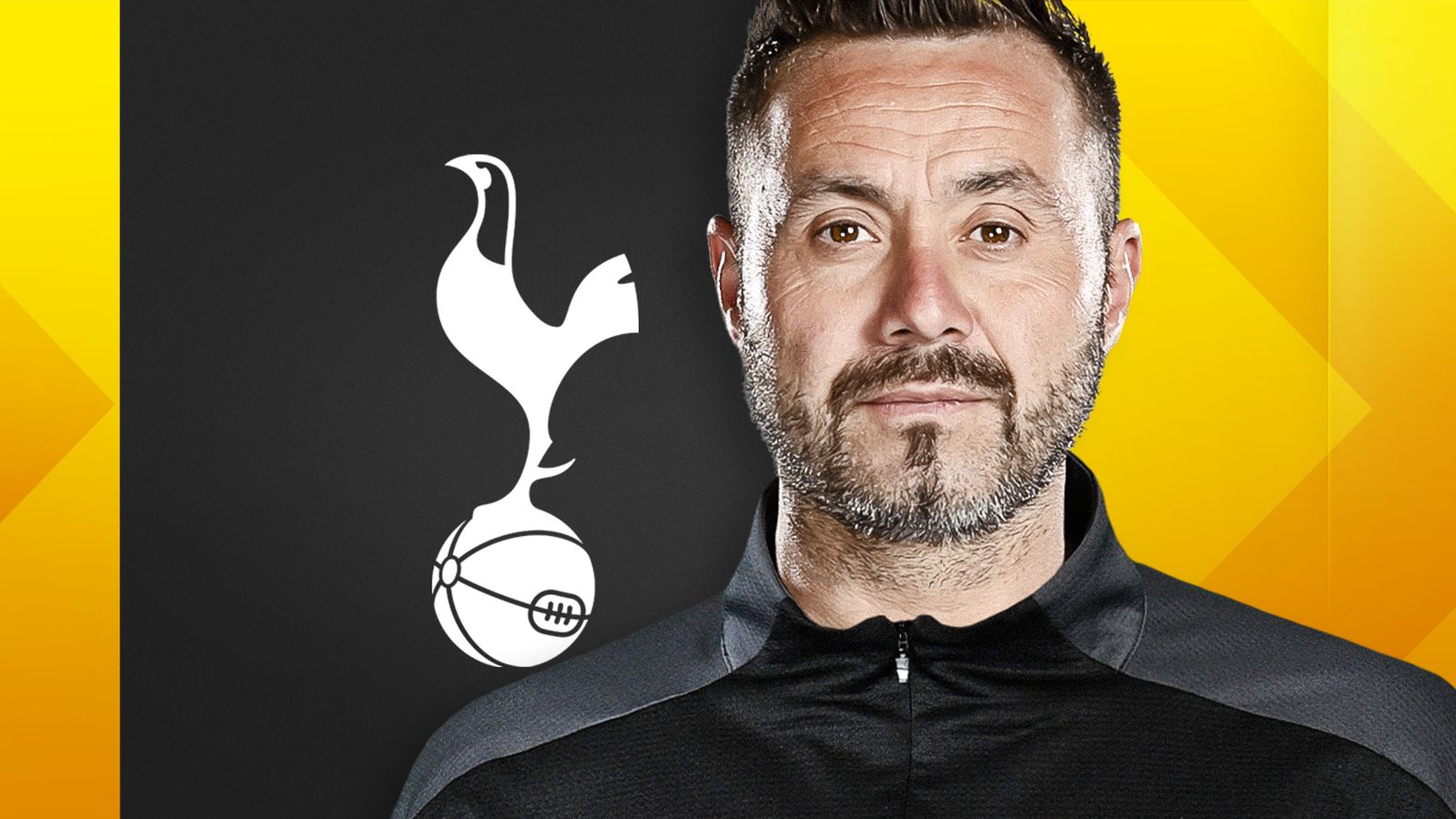
The news dropped via Sky Sports on Wednesday morning, tucked into the paper talk roundups. Tottenham Hotspur are showing a genuine interest in signing Marcus Rashford this summer.
It is a rumor that immediately divides the room, sparking furious debate in group chats and on the terraces. Half the fanbase sees a 28-year-old forward with elite ball-striking, a player who possesses terrifying pace in transition and the ability to win a match on his own. The other half sees a heavily-taxed attacker whose defensive work rate has frequently been questioned, a player who seems to carry the weight of Old Trafford on his shoulders and often buckles under it.
But step away from the emotion for a minute. Put the narratives aside. Look at the chalkboard. Does Marcus Rashford actually fit into Ange Postecoglou's tactical framework? The answer is highly complicated, and it reveals as much about Spurs' current structural flaws as it does about Rashford's evolution as a player.
The left-wing void
To understand the interest, you have to understand how Spurs attack, and more importantly, where their attacks are breaking down. Postecoglou's system is rigid in its structural demands but fluid in its execution. The wingers are strictly instructed to hold the width. They are the chalk on the boots. They stay wide to stretch the opposition backline, creating the vital half-spaces for the two number eights to operate in.
Son Heung-min is turning 34 this July. He is an undisputed club legend, but time remains undefeated. While his finishing inside the penalty area remains incredibly sharp, his ability to isolate a fullback, drop a shoulder, chop onto his right foot, and burst past his man has naturally declined. He is increasingly playing like a penalty-box striker who has been shoved out to the flank.
When you look at the underlying metrics from the past two seasons, the decline in Son's take-on success rate is stark. He is no longer the explosive ball-carrier who terrorized defenses in transition. Instead, he has morphed into an elite penalty-box poacher. That tactical evolution demands a different profile of winger on the opposite flank. Spurs need someone who can carry the ball over long distances, dragging the team up the pitch when they are pinned back by elite opposition.
Timo Werner offered the pace in behind, but predictably lacked the final product when it mattered most. Brennan Johnson operates almost exclusively on the right side, relying on low driven crosses rather than cutting inside to shoot.
Spurs desperately need a left-sided forward who can pin the opposition right-back, stretch the pitch, and provide a lethal threat in behind the defensive line. Rashford, in theory, fits this geometric requirement perfectly. When he is at his best, he plays exactly in that vertical channel between the opposition right-back and right-sided center-back, constantly threatening to break the offside trap.
The Udogie dynamic
The most fascinating tactical wrinkle of this potential transfer is how Rashford would interact with Destiny Udogie. This is where the structural fit gets messy.
At Manchester United, Rashford has spent the best years of his career playing ahead of Luke Shaw. Shaw is a traditional overlapping fullback. When Shaw bombs down the outside, taking the opposition winger and fullback with him, Rashford naturally drifts inside. He essentially becomes a second striker, operating in the central zones where he can unleash his powerful right foot.
Spurs do not play that way. Udogie is an inverted fullback. When Spurs build up, Udogie moves into the midfield pivot alongside Yves Bissouma, or he drives through the inside-left channel like an auxiliary attacking midfielder.
This means the left winger in Postecoglou's system is often left completely isolated on the touchline. They are expected to receive the ball to feet, usually with a defender immediately touch-tight, and figure it out by themselves.
Rashford struggles terribly in these exact scenarios. His close control in tight, congested spaces has never been his strongest attribute. He is a transitional monster, a player who thrives when there is green grass in front of him and a disorganized defense scrambling to get back. When faced with a set block, asked to beat a man from a standing start while isolated on the touchline, he frequently turns the ball over, gets frustrated, or simply recycles possession backward.
The pressing problem
Then comes the most glaring issue: the off-the-ball phase.
Postecoglou demands a relentless, highly coordinated high press. It is the absolute foundation of his philosophy. If one player switches off, the entire defensive structure collapses, leaving the center-backs—usually Micky van de Ven and Cristian Romero—to sprint 40 yards backward to cover the exposed space.
Rashford's pressing numbers over the last three seasons make for grim reading. It is not necessarily a complete lack of effort, though his body language often suggests otherwise. It is a fundamental lack of defensive intuition. He often curves his runs poorly, fails to cut off the passing lanes to the midfield pivot, and allows opposition center-backs to easily bypass the first line of pressure.
At Old Trafford, this has been a source of constant tactical breakdowns. In North London, it would be a critical system failure. You simply cannot play the Postecoglou way with a forward who jogs back into position or presses individually rather than as part of a collective trigger.
The United perspective
From Manchester United's perspective, you can see why this rumor is gaining traction in the papers. INEOS are actively trying to clear the wage bill and fund a wider, more ruthlessly efficient squad rebuild.
Rashford is a high-earning academy graduate. Under the current Profitability and Sustainability Rules (PSR), selling an academy product represents pure profit on the accounting books. Offloading him would give United a massive financial boost to reinvest in younger, more malleable talent.
But what are Spurs actually buying for their reported £60 million valuation? Are they getting the explosive forward who tore defenses apart and scored 30 goals across all competitions just a few seasons ago? Or are they getting a player whose confidence looks entirely broken, someone who struggles to impact games when the tactical script doesn't perfectly suit his strengths?
There is also the significant question of adaptation. Rashford has spent his entire life and career in Manchester. He is the local boy, burdened with the expectations of a massive global fanbase. Uprooting to London to play in the most physically demanding system in the Premier League, under a manager who brooks no passengers, is a massive personal and professional risk.
A systemic gamble
If Daniel Levy and Johan Lange sanction this move, it is a massive bet on Postecoglou's man-management. The Australian manager has a proven track record of revitalizing stalled careers. He simplifies the game for his attacking players. He tells them exactly where to stand, exactly when to make their runs, and removes the burden of overthinking.
Perhaps that rigid clarity is exactly what Rashford needs at this stage of his career. No more carrying the tactical and emotional dysfunction of Manchester United. Just get out wide, wait for the cross-field switch of play, isolate the fullback, and attack.
But the margins in the Premier League are entirely unforgiving. Spurs are desperately trying to close the gap to Arsenal and Manchester City. That requires flawless recruitment. You cannot afford a £300,000-a-week mistake.
This transfer feels like a trap. It looks great on a hypothetical whiteboard, and it certainly generates clicks and debate. But the reality on a wet Sunday afternoon away at Goodison Park or St James' Park is very different. Rashford's historical reluctance to track back, combined with his pronounced struggles against deep, organized low blocks, are structural flaws. Postecoglou's system will expose those flaws immediately, not hide them.
The Verdict
Tottenham need a left winger. That much is obvious. They need someone ruthless, fast, and disciplined. Rashford possesses the speed and the striking ability, but the discipline—both tactically and defensively—remains a massive question mark.
Prediction: Spurs will make informal contact through intermediaries in June, testing the waters on a potential fee. But once the data analysts present the pressing metrics and wage demands to the board, Tottenham will walk away. If they do foolishly pull the trigger, expect a deeply frustrating first six months as Rashford tries to adapt to a pressing scheme that fundamentally opposes his natural instincts on a football pitch. It is a gamble Spurs should avoid.
Read Next