The Hampden loyalty test is here
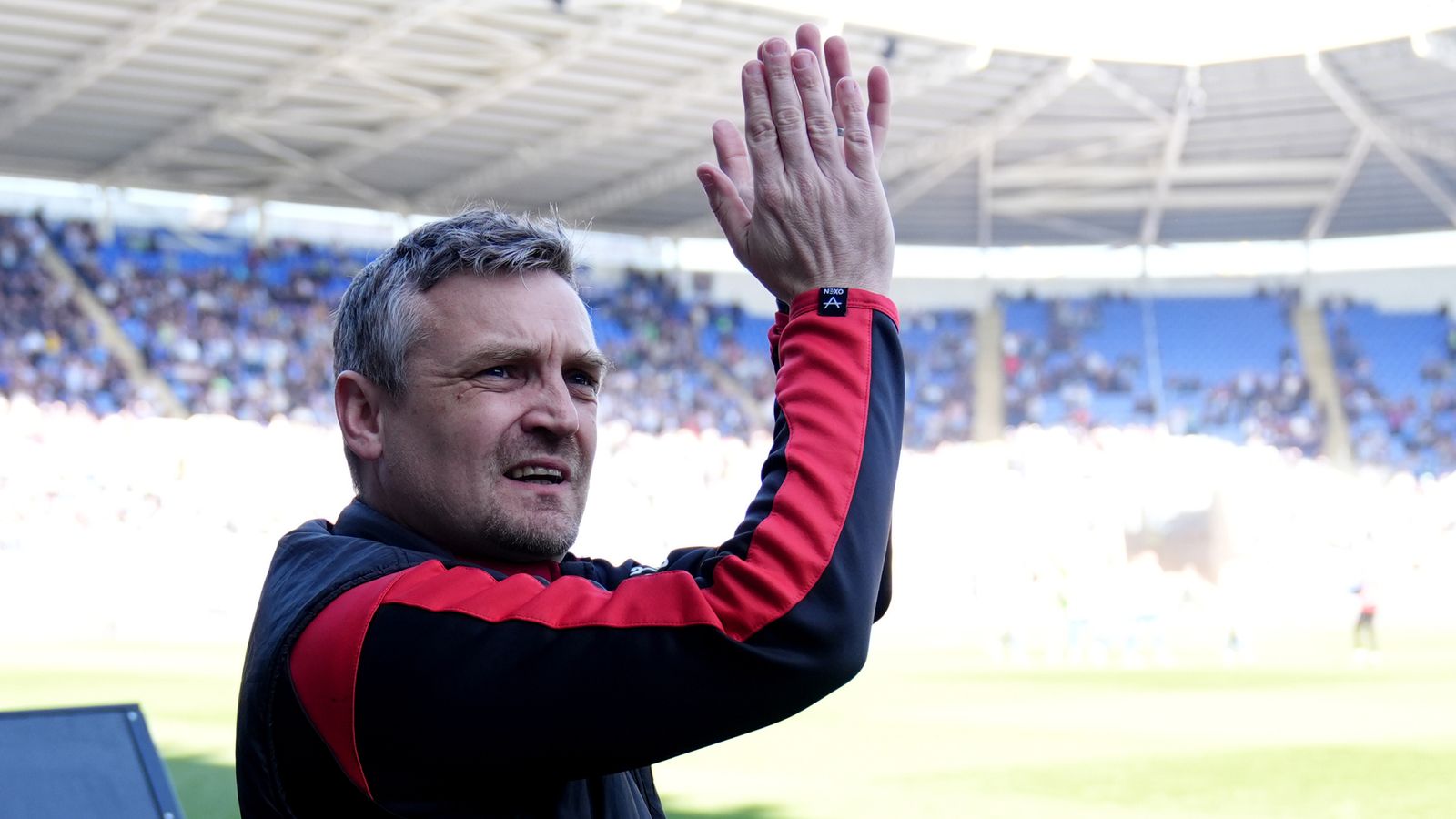
The build-up to this summer's World Cup has all the grace of a toddler trying to navigate a minefield, and Steve Clarke is holding the remote. We are sitting here on May 30, less than two weeks away from a tournament that is supposed to be the pinnacle of our professional lives, and the discourse has descended into the usual Scottish football malaise. Lawrence Shankland and Curtis Main have made their cases, but the real question isn't whether they deserve a seat on the plane, it’s whether Clarke has the stones to actually look past his favorites and acknowledge the reality on the ground.
Shankland is the obvious elephant in the room. You can look at the stats all day, but if you didn't see the way he dragged Heart of Midlothian through the mud and back again over the last fourteen months, you aren't paying attention. He isn't a flashy striker who thrives on technical wizardry in the final third. He is a scavenger who thrives on the scraps left by defenders who think they have the game figured out. If Scotland is going to do anything over the next month, it needs someone who doesn't care about looking cool while shooting.
Clarke has a long history of trusting the guys who helped him build the foundation of this national team. I get it. Loyalty is a currency in coaching, and he is a man who values continuity above all else. But there is a line between loyalty and stubbornness, and he crossed it somewhere around the last international break. Standing by guys who played a combined 400 minutes of club football since February is not leadership. It is an invitation to get embarrassed on the world stage.
The Curtis factor and the reality check
Then we have the Curtis situation. People are debating his inclusion as if he is some untested academy prospect, ignoring the physical nuisance he has been for every center-back in the league. Is he going to provide the silky fluidity of a peak Zidane? Of course not. But tell me, who among our current options is going to put their body on the line in the 88th minute when we are chasing a goal against a team with superior ball retention? We need a wrecking ball, not another deep-lying playmaker who prefers a sideways pass to a meaningful challenge.
Let’s call a spade a spade. Our recruitment at the international level has been stagnant. While the rest of the world is cycling through tactical adjustments, we are still relying on the same core group that helped navigate the qualifiers. It worked then, sure. But tournament football is a different monster. The speed of play in the opening group matches will expose anyone who hasn't been playing regular, high-intensity minutes, and ignoring form guys in favor of reputation is how you end up exiting stage left after three games.
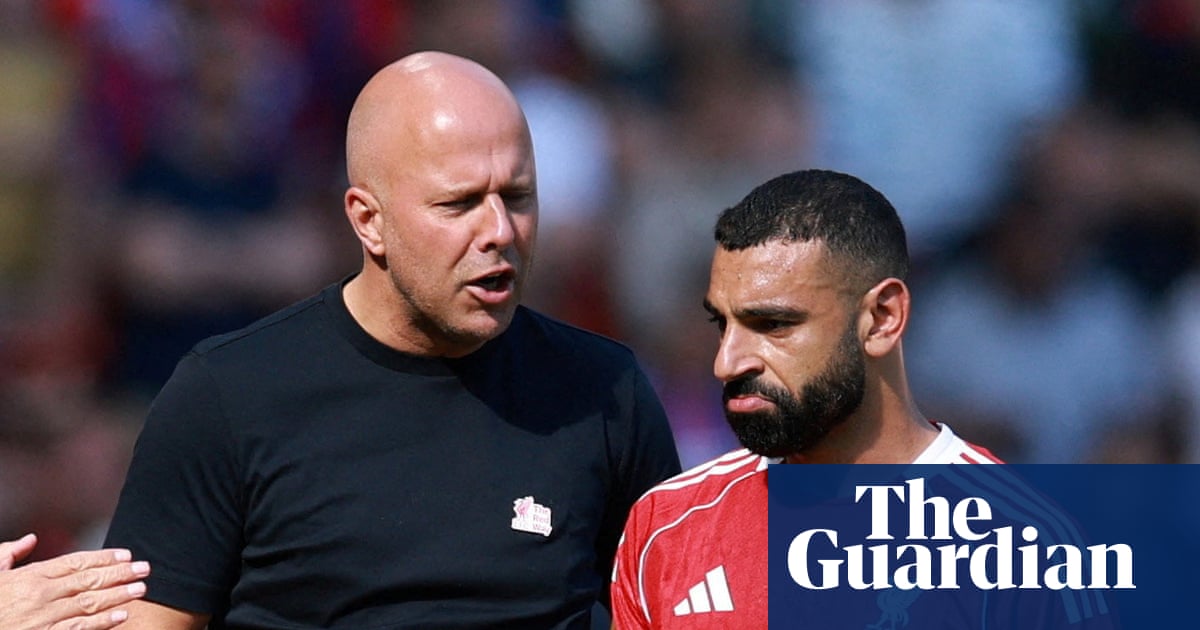
As The Guardian reported today, things can change at a moment's notice when management loses sight of the current reality. If the Scottish setup continues to prioritize past contributions over present output, we are going to be in for a very long June. Clarke needs to look at the list of available talent, put his personal bias in a locker, and realize that no player is bigger than the result.
Why the squad selection feels like a booking error
If you have followed the misery of the Liverpool carousel this year, as Stevie G recently noted about the Arne Slot disaster, you know what happens when a coach refuses to adapt to a changing locker room. Teams become shells of their former selves. The Scotland squad is currently bordering on that same identity crisis. We have enough depth to be difficult, but we lack the ruthlessness to make a real run.
Putting Shankland and Curtis on the bus isn't just about giving them a reward for service. It is a tactical necessity. They offer a directness that we sorely lack. If Clarke ignores them, he is effectively telling the fans that he is more concerned with his own legacy than he is with winning a football game. We don't need a manager who sits in the dugout clutching a clipboard like it’s a security blanket. We need someone willing to shuffle the deck when the aces aren't showing up.
- Shankland provides the finishing instinct currently lacking in the rotation.
- Curtis offers the physical presence required to disrupt high-possession opponents.
- Clarke needs to weigh form against the safety of established relationships.
The time for loyalty ended the second that qualification was secured. Now, we are in the business of winning. If that means making uncomfortable calls and leaving established names at home, so be it. The fans don't want a team that feels like a family reunion; they want a team that can actually take a scalp. If Clarke is too afraid to make the necessary changes, he's setting us up for a failure that will be remembered long after this tournament ends. It is time to stop playing favorites and start playing the best eleven bodies available.
Read Next
- England and Scotland are drifting toward a World Cup disaster
- Scotland are playing with fire ahead of the World Cup opener
- Scotland's World Cup gamble: Steve Clarke is now officially bulletproof
- Scotland’s path through group stage hinges on the Haiti opener
- 🏴 Scotland World Cup 2026 — Tartan Army Hub
- 🇧🇷 WC 2026 Group C — Brazil, Morocco, Scotland, Haiti