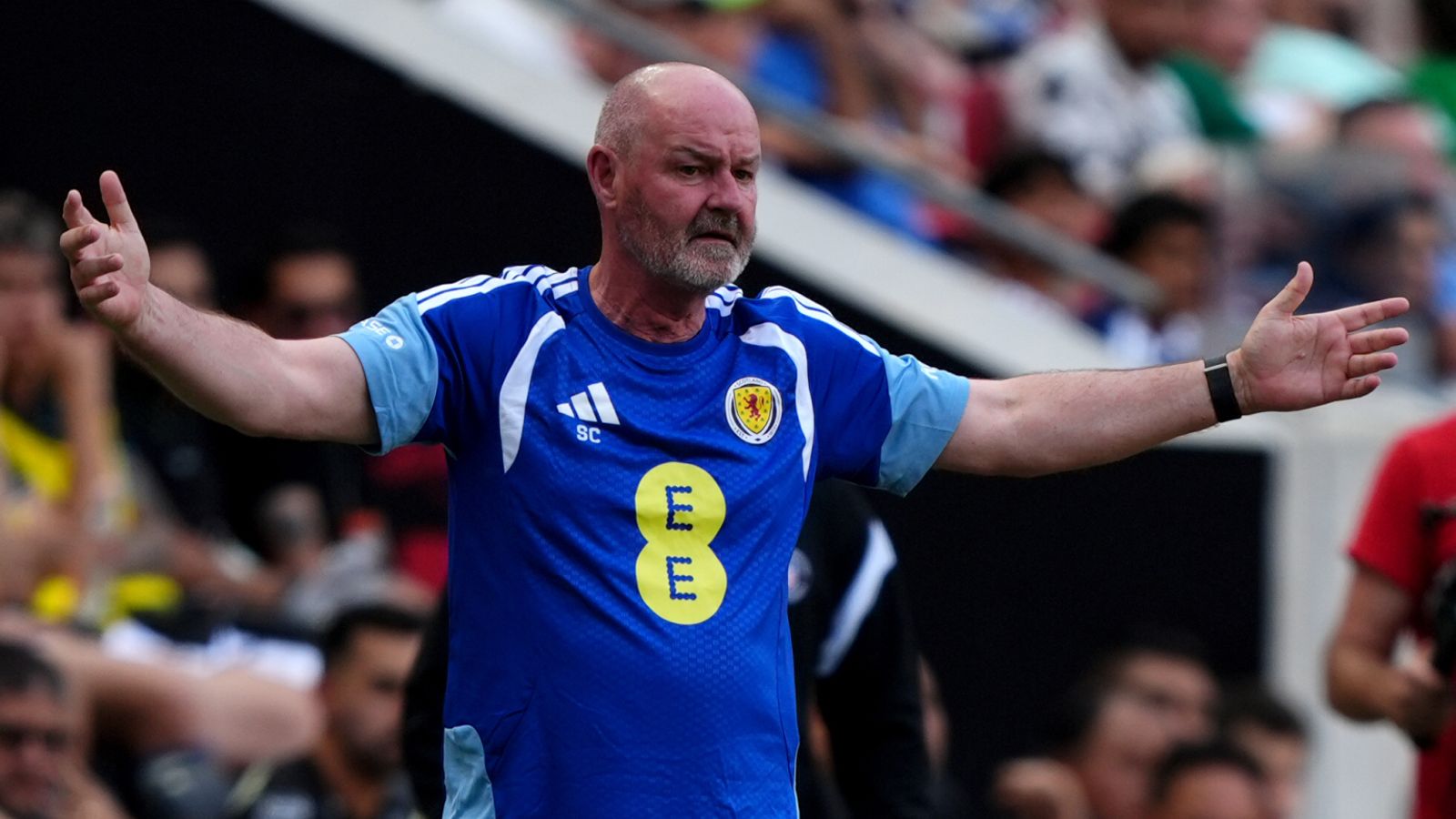
Tactical friction in the Scottish camp
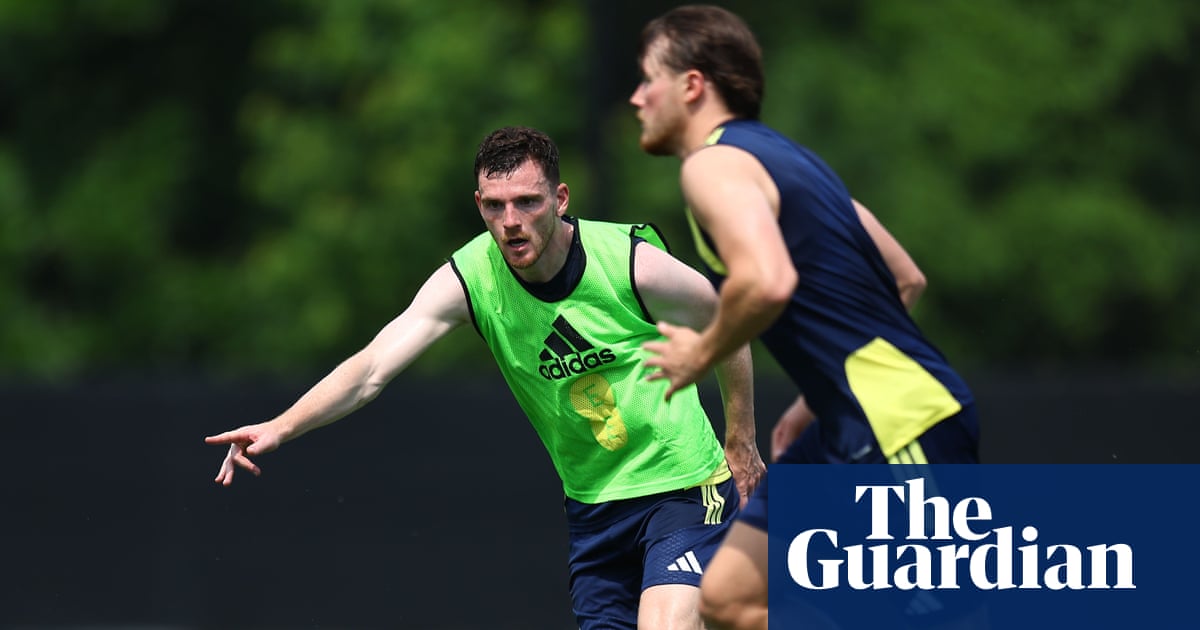
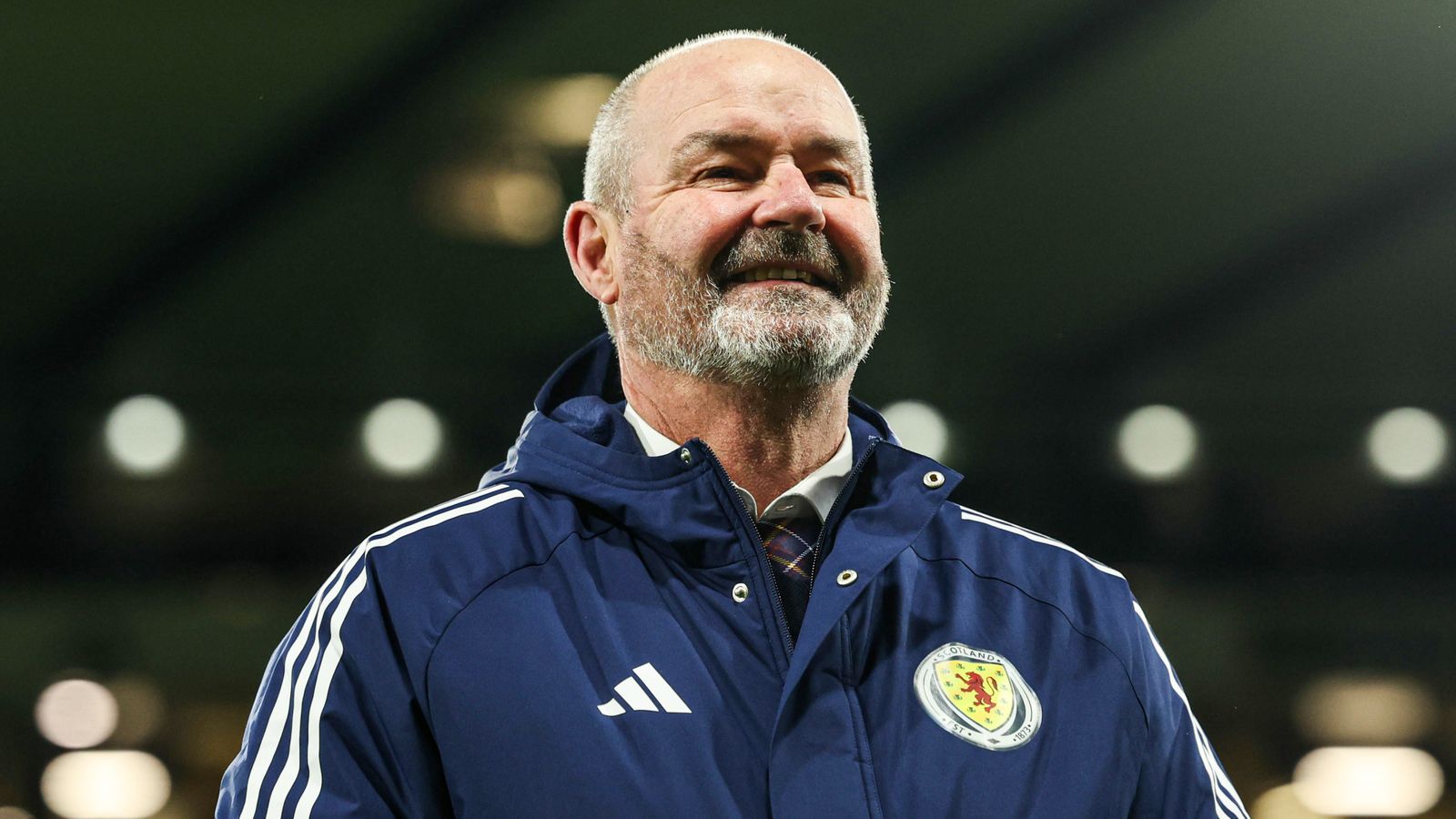
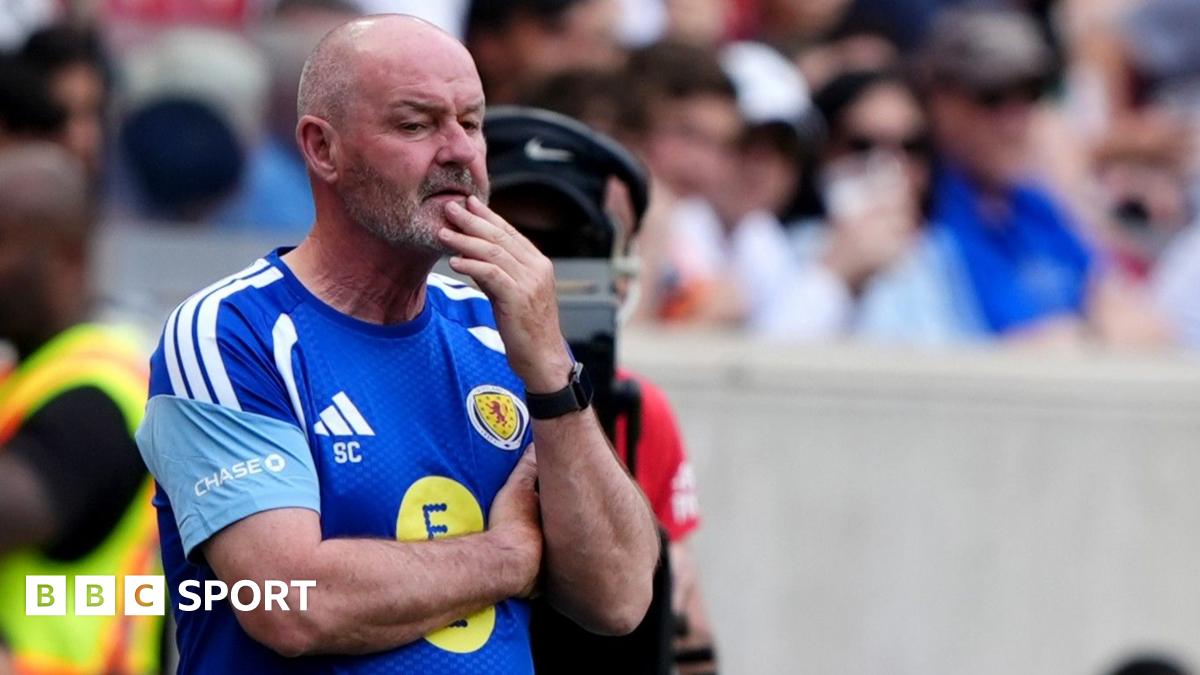
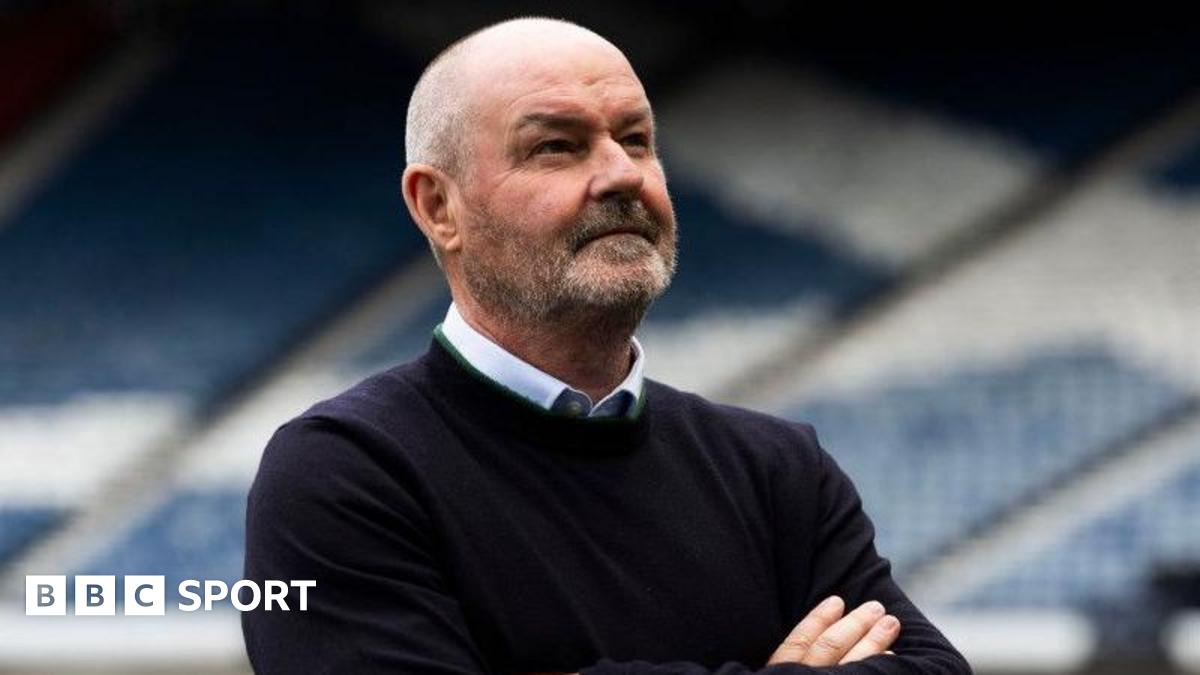
The murmurs emanating from the Norway camp regarding Scotland's training habits have provided an unnecessary distraction just 72 hours before the tournament curtain rises. Steve Clarke has built a reputation on defensive solidity and a hard-nosed, attritional style. When Solbakken’s camp labeled the squad's preparation ‘unprofessional,’ it was a deflection from their own tactical shortcomings, yet it forced Clarke into an immediate defensive posture.
We are watching a side that heavily relies on John McGinn’s secondary runs into the box to alleviate pressure on the front two. However, the reliance on McGinn creates a vacuum in the midfield transition phase when the ball is turned over. Statistics from the qualifying phase show Scotland losing possession in the middle third at a rate of 14 times per 90 minutes. This is a vulnerability that elite technical midfields at this tournament will exploit with relative ease.
The defensive line conundrum
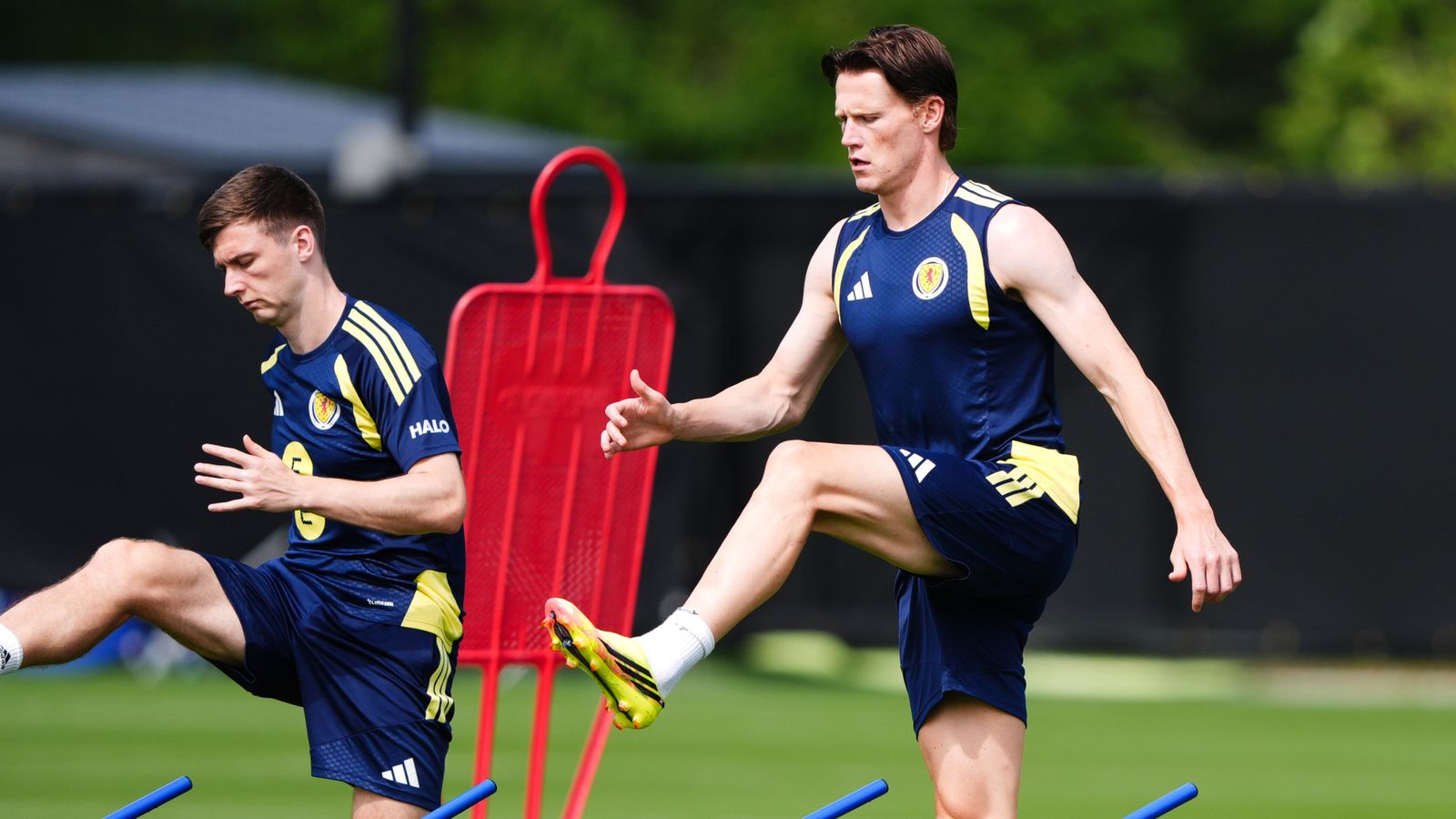
Clarke’s three-at-the-back system requires the wing-backs to provide almost all the width for the team. If Robbo and Tierney are pinned back by aggressive opposition pressing, the side becomes dangerously narrow. By narrowing the pitch, Scotland plays directly into the strengths of possession-heavy sides who prefer to bottle up the middle of the park.
The lack of a secondary playmaker behind the striker pairing remains the team's glaring flaw. In the matches leading up to this month, the conversion rate from open play hovered near 8.4 percent, a figure that simply will not suffice against high-caliber opposition. Relying on set-pieces alone is a strategy that breaks down once the referees tighten their whistle on aerial contact inside the box.
What to watch for at kickoff
Look for the vertical spacing between the defensive line and the holding midfielders in the opening 15 minutes. If the gap exceeds 20 meters, Norway’s creative hubs will find the pockets they need to dictate the tempo. Clarke needs his side to maintain a compact block to invalidate the space between the lines.
There is also the matter of morale. The recent spat, as reported by Sky Sports, has clearly rankled players like McGinn. While media spats are often dismissed as noise, for a squad that relies on collective discipline, these external jabs could affect their concentration during the transition from the high press to the low block.
The prediction
Scotland will likely look to park the bus for the first half to frustrate the opposition, banking on a sucker-punch transition move. However, they lack the technical variance in the final third to break down organized defensive structures. I expect a draw that leaves both managers frustrated, with a final score of 1-1. Clarke will come away with a point, but the questions regarding his squad's attacking depth will persist long after the final whistle.
Read Next
- Steve Clarke's tactical gamesmanship is already backfiring
- Steve Clarke's pragmatic gambit is souring relations before kickoff
- Scotland’s pre-World Cup logistics are a total circus
- Scotland are arriving at the World Cup with a chip on their shoulder
- 🏆 World Cup 2026 — Full Coverage Hub
- 🏴 Scotland World Cup 2026 — Tartan Army Hub
- 🇧🇷 WC 2026 Group C — Brazil, Morocco, Scotland, Haiti