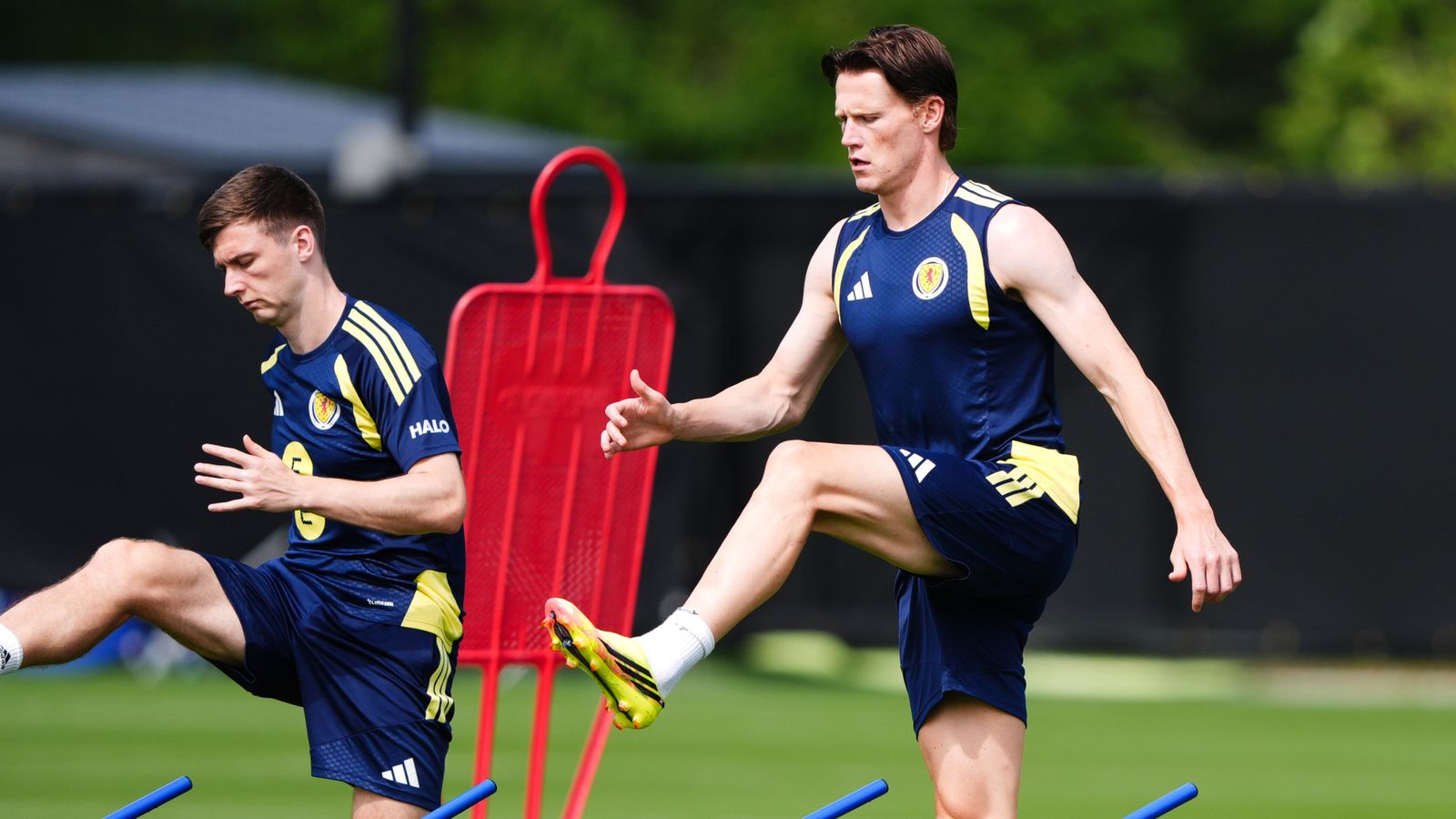
Tactical clarity in Scotland's final tune-up
Steve Clarke has taken a squad long defined by grit and industrious defensive blocks and refined their attacking output just days before the 2026 World Cup kickoff. The 3-0 demolition of Bolivia proved that Scotland is no longer merely playing for set-piece scraps. The transition speed from the backline to the final third looked arguably the sharpest it has been in two decades.
Watching the match, the wide rotations involving the wing-backs created constant numerical imbalances. By forcing Bolivia to stretch their midfield, Scott McTominay found pockets of space between the lines that simply did not exist during the qualification campaign. When the clock hit the 28th minute, a crisp, three-pass move from midfield caught the Bolivian defense square. It was the kind of clinical execution usually reserved for top-tier club sides.
Defensive vulnerabilities remain a concern
Despite the scoreline, questions linger about the structural integrity of the high line. Bolivia managed to bypass the midfield press on three separate occasions in the first half through quick diagonal switches. While Scotland recovered well, this reliance on last-ditch blocks remains a gamble.
Against more efficient attacking units in the group stage, an isolated center-half might not be so fortunate. If Clarke leaves the space behind the wing-backs open, better sides will exploit it. It is a risk worth taking given the offensive upside, but it is one that keeps the coaching staff on edge as recent reports highlight the intensity of their preparation.
The squad dynamic and selection headaches
The fluidity shown against Bolivia poses a sharp contrast to the stale performances seen during the late stages of qualifying. Players are clearly adjusting to the demands of a high-possession game. As noted in recent commentary on organizational turnover, having the right personnel in the right role is the difference between a functional team and a contender.
Clarke has rotated the XI throughout this camp, but the core chemistry is now visible. The understanding between the midfield pivot and the strikers has reached a tipping point. Every diagonal ball seems to have a predefined trigger from the forwards, making the attack look less like a series of individual efforts and more like a coordinated machine.
Predicting the impact on the opening fixture
With the World Cup starting on June 11, the momentum from this win is significant. Scotland looks fitter, faster, and more decisive than they have in years. They are entering this tournament with a clear identity, which is more than half of the field can claim.
However, the competition will be significantly stiffer the moment they step onto the pitch for the real opening match. If they can replicate the 62 percent possession rate managed against Bolivia, they will control the tempo. I expect Scotland to secure a result in their opener, provided they tighten the spacing in that transition phase. My prediction is a hard-fought winning start, setting a 1-0 or 2-1 result in favor of the visitors to ensure their tournament legs get moving early.
Read Next
- Steve Clarke's final dry run against Bolivia is about more than just a win
- Scotland need a clinical edge before the World Cup opener
- Scotland finally looks like a real football team
- Scotland’s midfield transition is officially taking flight
- 🏆 World Cup 2026 — Full Coverage Hub
- 🏴 Scotland World Cup 2026 — Tartan Army Hub
- 🇧🇷 WC 2026 Group C — Brazil, Morocco, Scotland, Haiti