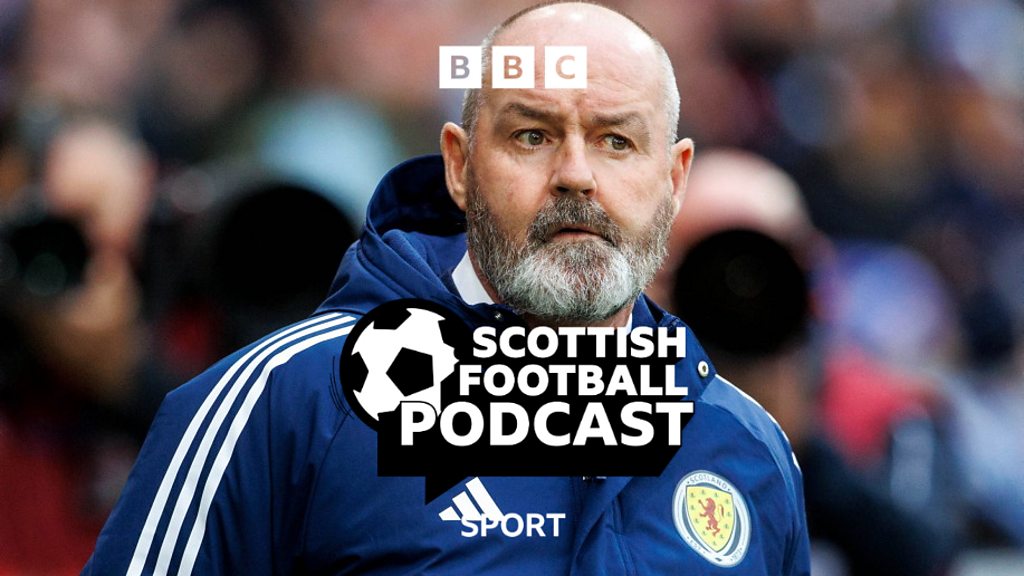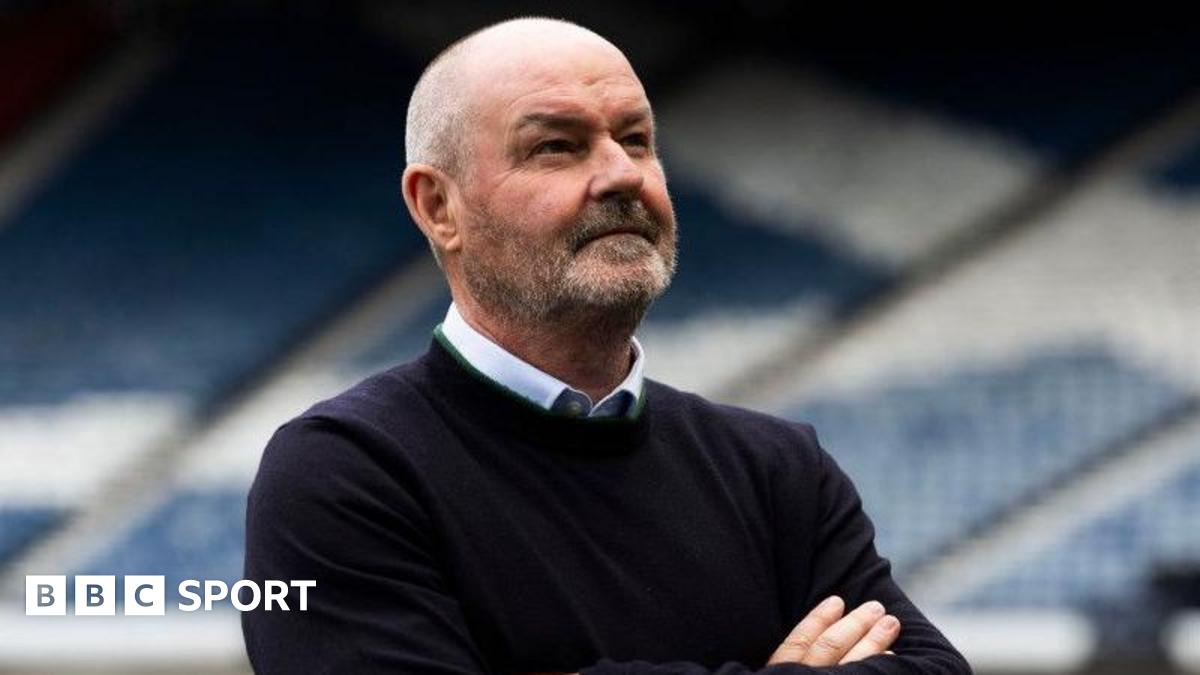
The predictable blueprint for Scotland's summer
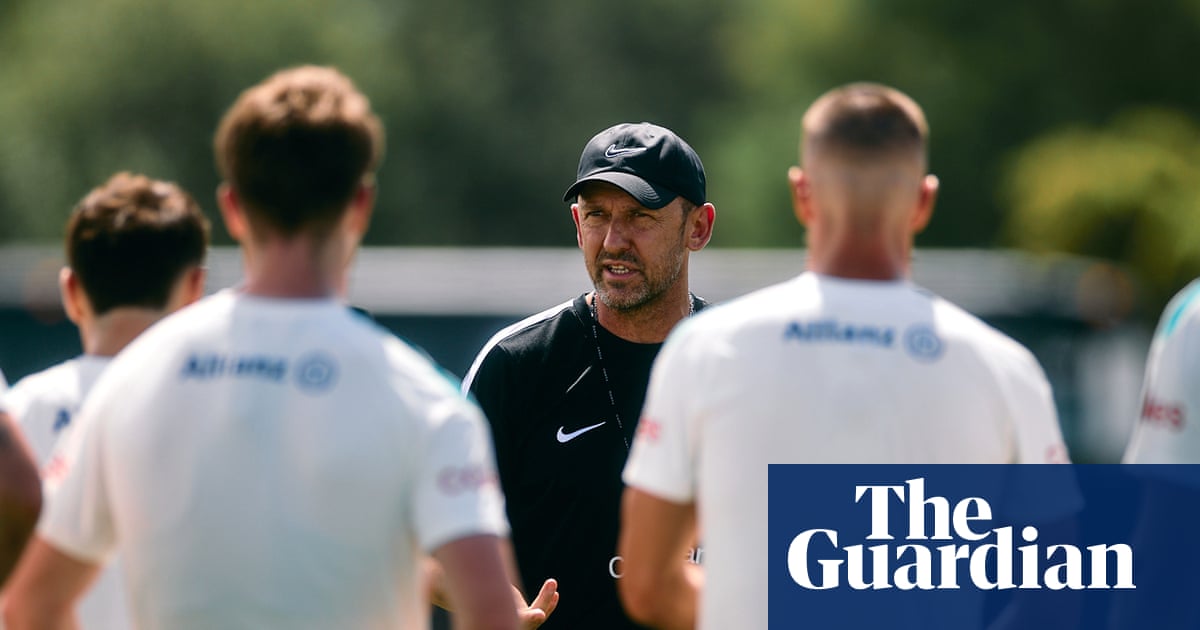
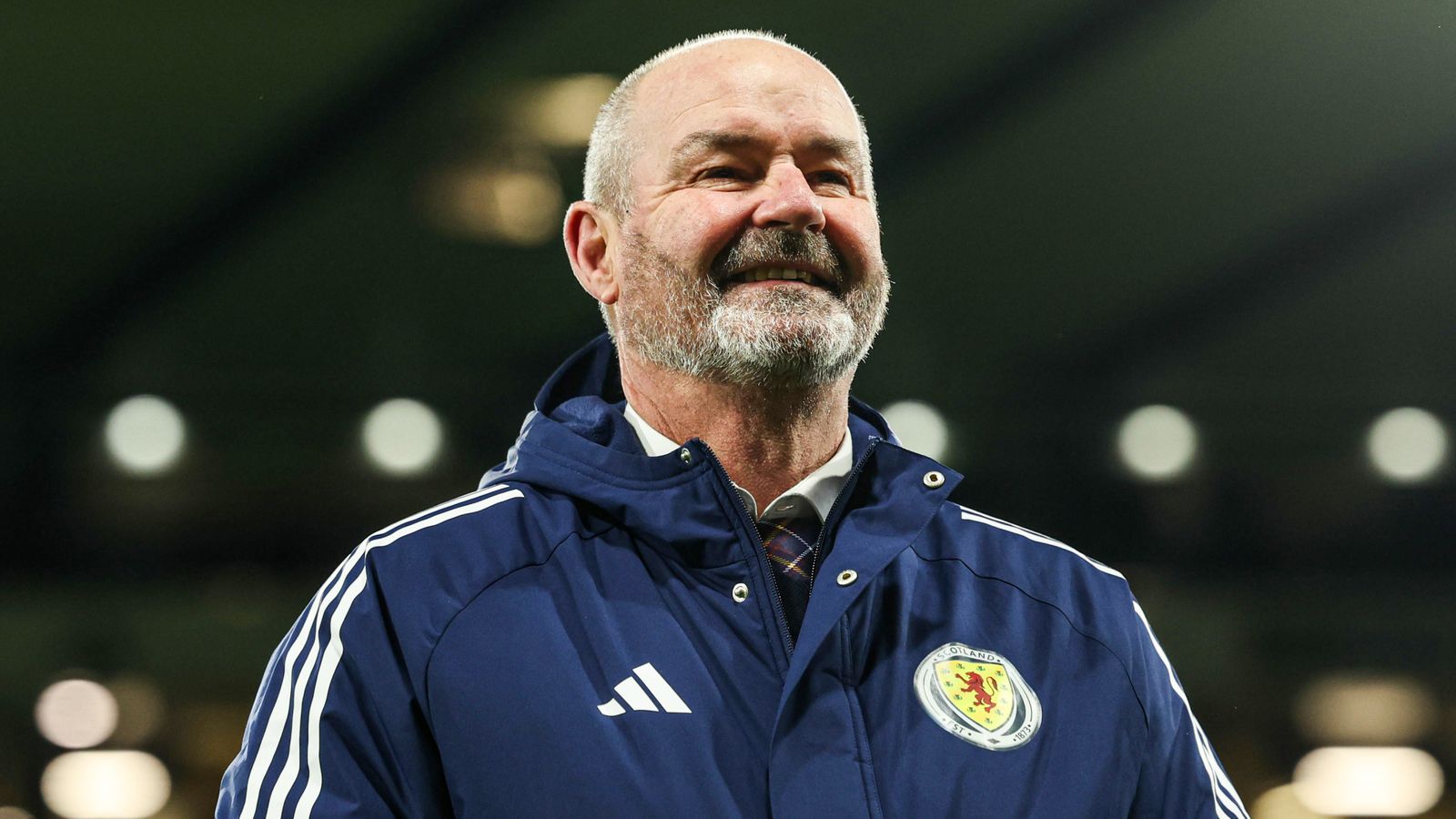
Steve Clarke is a creature of habit. As BBC Sport recently observed, his latest squad selection reeks of a manager who prizes institutional loyalty over current form. Recalling Ross Stewart while pointedly ignoring emerging talents like Lennon Miller suggests a man circling the wagons rather than looking for a tactical injection.
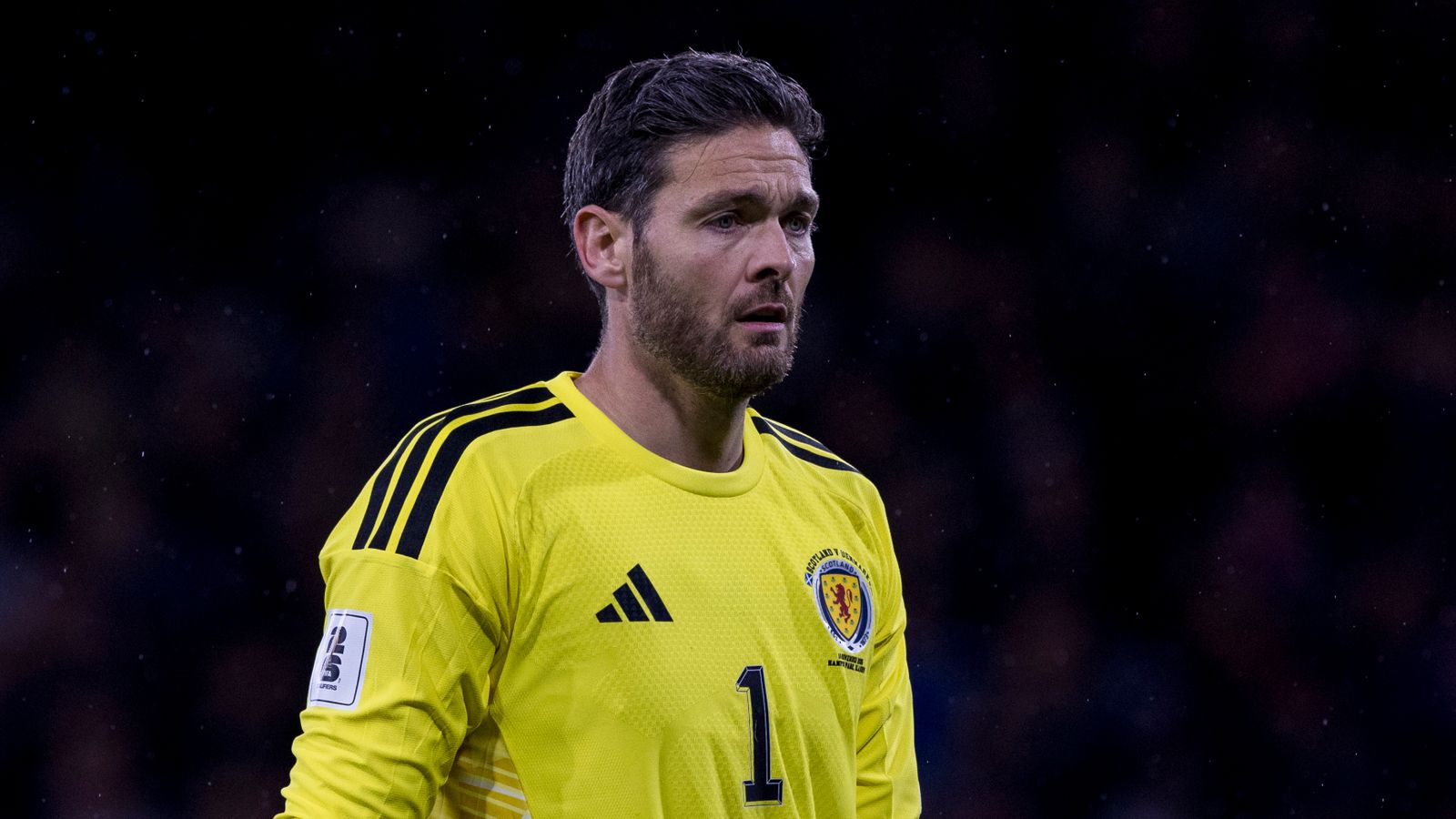
The decision to back Craig Gordon despite an injury-ridden year is classic Clarke. It is safe. It is loyal. It is also analytically questionable when you view the current fitness-adjusted goals against stats. Loyalty at the international level rarely survives the group stages, especially when you are clinging to familiar faces.
The shadow of the departure lounge
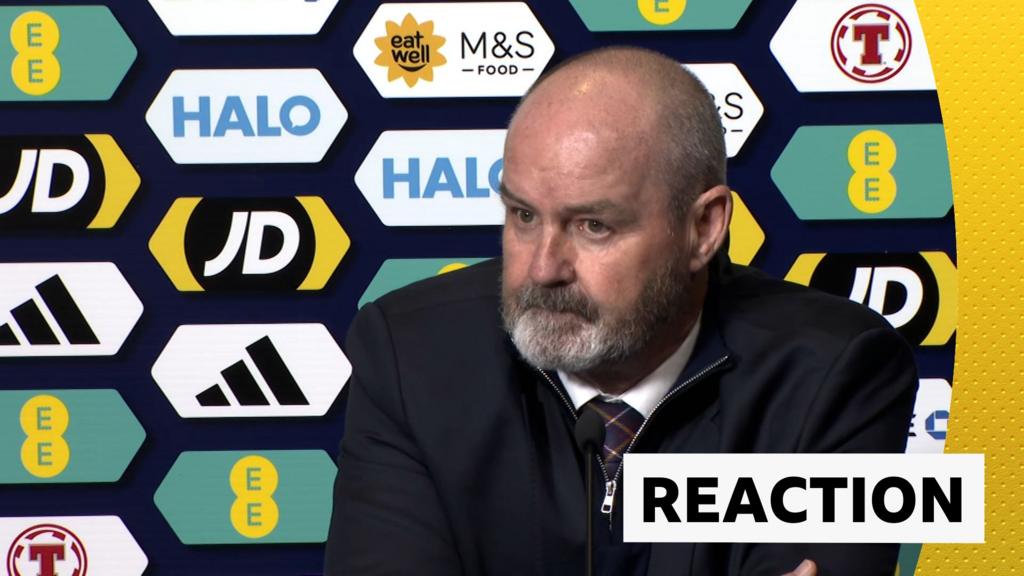
The elephant in the room is the manager's status. Clarke has confirmed his future will be decided before the team even touches down for the tournament. Nothing destabilizes a dressing room faster than a manager whose exit date is effectively circled on the calendar.
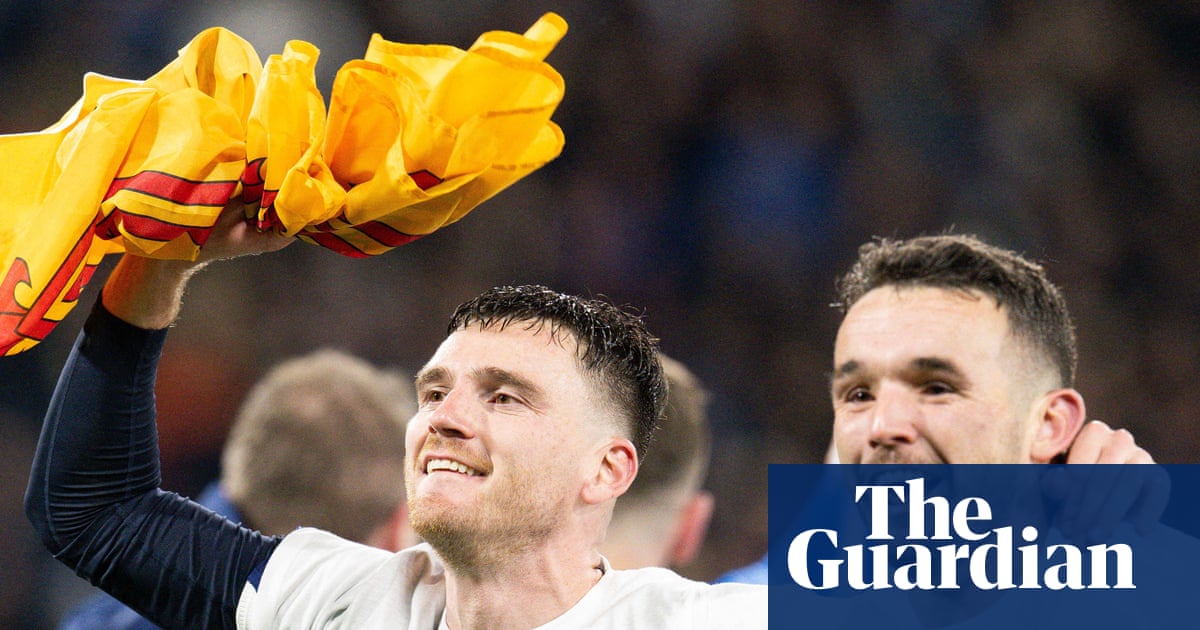
We are watching a squad operate on borrowed time. While Clarke publicly hails the fans to keep spirits high, the tactical rigidity that defined his tenure is no longer shielding us from the defensive vulnerabilities we saw in the qualifying cycle. Relying on an aging core in a mid-summer tournament is a recipe for heavy legs by the 65th minute of every match.
Why the squad profile doesn't fit
International tournament success in 2026 requires high-intensity pressing and quick transitions. Clarke’s Scotland, however, remains trapped in a low-block comfort zone that refuses to adapt to the pace of modern international attacks. If the opponent has a technical midfield that can shift the ball quickly, our defensive shape gets pulled out of position repeatedly.
Look at the numbers against high-possession sides: we concede nearly 2.2 xG per match when pressed in our own third. Without a dynamic midfield pivot capable of bypassing that press, we are stuck playing long balls to isolated strikers. It works against lower-tier sides, but it is suicide at a World Cup.
The verdict on 2026
Clarke has done a commendable job bringing stability back to the national team, but he has reached the ceiling of his methodology. He treats the squad like a club team that only needs minor tweaks, failing to account for the physical toll of 2026 scheduling. We are heading into this tournament with an identity crisis disguised as stability, and the lack of young, hungry legs in the middle of the park will be exploited by faster opponents.
Expect an early exit where we keep games tight for 40 minutes before being dismantled by sheer physical superiorites. Clarke is a decent man, but his lack of tactical imagination is going to be the undoing of this campaign. The decision to exclude players with higher dynamism represents a fundamental misunderstanding of what is needed in a tournament setting.
Read Next
- Steve Clarke is walking a tightrope before the World Cup
- Why Steve Clarke is betting everything on Ross Stewart's hamstrings
- Scotland names World Cup squad as Brazil bets on Neymar
- Findlay Curtis is Scotland's youngest World Cup pick and the stats prove why
- 🏆 World Cup 2026 — Full Coverage Hub
- 🏴 Scotland World Cup 2026 — Tartan Army Hub
- 🇧🇷 WC 2026 Group C — Brazil, Morocco, Scotland, Haiti