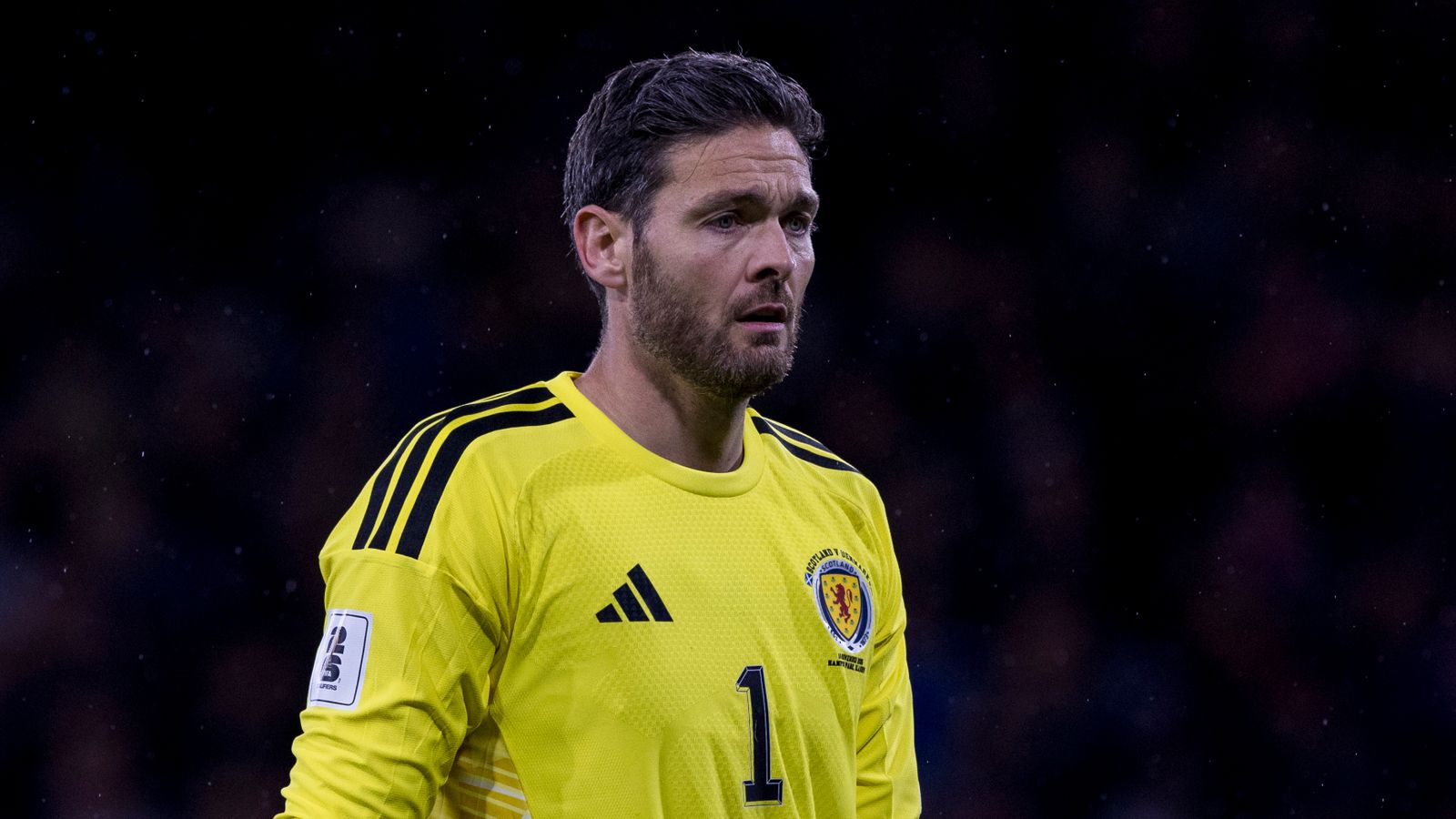
Scotland's new deal for Steve Clarke is a vote for safety over progress
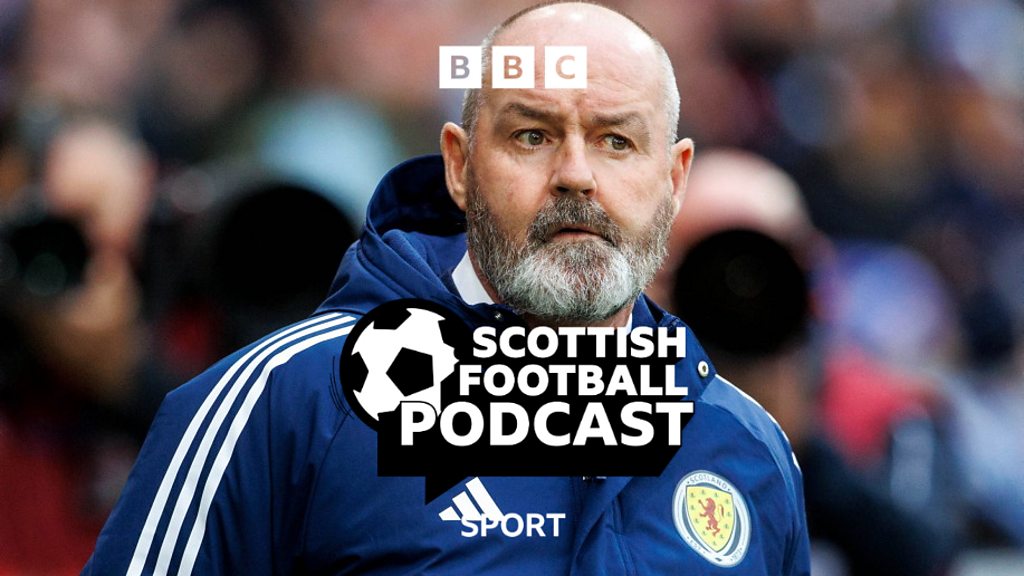
The comfort of the known
The news that the SFA is preparing a new contract for Steve Clarke feels like a warm blanket in a cold Glasgow winter. It is comfortable, familiar, and entirely predictable. As BBC Scotland reported this week, the move to secure Clarke beyond the upcoming 2026 World Cup suggests a governing body that values stability above all else. But in the high-stakes environment of international football, stability is often just another word for stagnation.
Clarke has undoubtedly earned his seat at the table. He took a national team that had forgotten how to qualify for major tournaments and made it a habit. He built a culture of resilience and tactical discipline. The 5-4-1 low block that frustrated the elite in Euro 2024 qualifying became the hallmark of his tenure. It was a system built on the industry of John McGinn and the late arrivals of Scott McTominay. It worked until it didn't.
The problem is that we are now 77 days away from the June 11 kickoff of the FIFA World Cup. Scotland is heading into a tournament where the 48-team format demands more than just grit. The current setup is hitting a ceiling. We see it in the way the team struggles to retain possession when Billy Gilmour is pressed. We see it in the lack of a Plan B when the wing-backs are pinned into a back five. Extending Clarke now feels like an admission that we have no idea what the next step looks like.
The tactical rigidity of the Clarke era
Clarke’s Scotland is a side defined by its floor, not its ceiling. He has perfected the art of the 'narrow loss' and the 'scrappy draw.' Defensively, the trio of Jack Hendry, Ryan Porteous, and Kieran Tierney—when fit—provides a solid base. But the transition from defense to attack remains sluggish. The ball moves through the lines with the speed of a Sunday league side on a waterlogged pitch. There is no verticality, no sudden change of pace that catches modern defenses off guard.
We saw this clearly in the recent friendly fixtures. Scotland dominated the middle third of the pitch but created an xG of less than 0.8 against opposition they should be dismantling. The reliance on Lyndon Dykes to win aerial duels and knock the ball down for runners is a strategy from 2012. It is predictable. International managers at the World Cup level will have Scotland figured out by the 15-minute mark of the opening game.
There is also the issue of squad evolution. Clarke is notoriously loyal to his core group. This loyalty is great for dressing room morale but poisonous for meritocracy. Younger players who are performing at a higher technical level in their club sides are being ignored in favor of the 'old guard.' This is the negative side of the stability the SFA is so keen to preserve. It creates a closed shop where tactical innovation goes to die.
The James Tavernier paradox at Ibrox
While the national team debates its future, Rangers are facing a similar dilemma with their captain. James Tavernier is reportedly set to stay longer at Ibrox. On paper, it makes sense. You do not easily replace a right-back who has provided 22 goal involvements this season alone. His delivery from set-pieces remains the most potent weapon in the Rangers arsenal. He is a freak of nature in terms of fitness and output.
But the numbers hide a growing tactical liability. Tavernier is 34 years old. The recovery pace that once allowed him to fly forward and still track back is deserting him. In the modern game, the right-back is often the primary trigger for a press. When Tavernier is caught high up the pitch, the space left behind him is a massive target for any winger with a bit of acceleration. We saw this exploited repeatedly in European competition this year.
Rangers’ defensive structure is being compromised to accommodate Tavernier’s attacking instincts. The right-sided center-back is forced to drift wide to cover the channel, leaving the heart of the defense vulnerable to simple cut-backs. It is a trade-off that worked when Tavernier was scoring 15 goals a season from open play. Now that his open-play threat is diminishing, the defensive cost is becoming too high to ignore.
Transitioning away from a legend
The hardest thing in football is knowing when to let a legend go. Tavernier is arguably the most influential Rangers player of the last decade. But the team is currently built around a 2-3-5 attacking shape that relies on him being an elite athlete. If he cannot cover the ground, the entire system collapses. A new contract for Tavernier might save the club a transfer fee in the short term, but it delays the necessary tactical rebuild.
The Rangers midfield is often forced into a screening role that stifles their own creativity. They are too busy covering the gaps left by their marauding full-backs. If Rangers want to bridge the gap to Celtic, they need a more balanced approach. They need a right-back who can defend the 1v1 first and provide the cross second. Tavernier is the inverse of that. He is a luxury that a second-place team can no longer afford.
There is also the psychological impact on the rest of the squad. When the captain is untouchable despite clear defensive lapses, it erodes the standard of accountability. We saw a goal conceded in the 89th minute last month where Tavernier simply failed to track a basic overlapping run. If a young player made that mistake, they would be dropped. For the captain, it is just another day at the office. This is not how you build a championship-winning culture.
The St Mirren glass ceiling
Away from the Glasgow goldfish bowl, the St Mirren manager job is once again a topic of conversation. Stephen Robinson has done a remarkable job in Paisley, turning them into a consistent top-six contender. But there is a feeling that he has taken them as far as they can go. St Mirren are the perfect example of the 'best of the rest' trap in Scottish football. They are too good to be relegated but lack the £5 million budget increase required to challenge the big two.
If Robinson moves on, the SFA should be looking closely at the candidates. St Mirren has become a breeding ground for managers who understand how to organize a team on a budget. But the next appointment needs to be more ambitious. The club has the infrastructure to be the next Hearts or Aberdeen. They need a coach who isn't afraid to ditch the pragmatic long-ball game and implement something more progressive.
The problem with the St Mirren job is the constant churn of talent. As soon as a player shows a hint of quality, they are snapped up by a bigger club for a pittance. This makes long-term tactical planning almost impossible. Robinson has managed this by building a squad of high-floor, low-ceiling veterans. It is a safe strategy, much like the SFA’s approach to Steve Clarke. It keeps you in the game, but it never wins you the prize.
Why the middle class of the SPFL is stagnating
The lack of tactical diversity in the Scottish Premiership is a serious concern. Almost every team outside of the big two plays a variation of the same 5-4-1 or 4-5-1 mid-block. It is a league defined by physical battles and second balls. There is very little emphasis on positional play or controlled build-up. This is why Scottish teams struggle so much in the later rounds of European qualifying.
When a team like St Mirren tries to play out from the back, they are often punished by the sheer intensity of the Scottish press. But rather than refining the technique, most managers simply revert to the long ball. It is the path of least resistance. It is the same mindset that leads to a 34-year-old Tavernier getting a new deal and Steve Clarke being kept on regardless of performance trends. We are a nation of footballing conservatives.
The SFA needs to be the catalyst for change, but instead, they are the ones leading the charge back to the safety of the 1990s. The new deal for Clarke is a signal to every coach in the country that if you avoid disaster, you will be rewarded. It is a culture of 'don't lose' rather than 'must win.' Until that changes, Scotland will continue to be the team that is just happy to be there.
The World Cup reality check
As we approach the World Cup kickoff on June 11, the mood in the Scotland camp will be one of defiant optimism. That is the Clarke way. He will tell the media that the critics don't understand the work being done behind the scenes. He will point to his win percentage and his qualification record. And he is right—by his own metrics, he has been a success.
But football moves fast. The tactical innovations of the last three years have bypassed the Scotland national team. High-pressing systems, inverted full-backs, and the use of 'half-spaces' are not just buzzwords; they are the tools of the trade for any modern side. Scotland looks like they are still trying to figure out how to use a basic 4-4-2 while the rest of the world is playing chess.
If the World Cup ends in a disappointing group stage exit—as it did in the Euros—the SFA will look foolish for having already signed the extension. They have surrendered their only leverage. They have told Clarke that his job is safe regardless of what happens in the USA. In any other industry, that would be called professional negligence. In Scottish football, it's just Tuesday.
The Tavernier situation at Rangers and the managerial search at St Mirren are symptoms of the same disease. We are obsessed with the past because we are terrified of the future. We keep the same faces in the same roles because we don't trust our ability to find someone better. It is a cycle of mediocrity that is becoming harder and harder to break. Scotland might be heading to a World Cup, but without a serious tactical overhaul, we are just going for the sightseeing.
Read Next
- Scottish football is currently losing its collective mind over Steve Clarke and James Tavernier
- Senegal’s AFCON walk-off is about to become a CAS legal nightmare
- Top 10: Moments Defining the 2026 Football Run-In
- A Three Lions star hit a 180 in front of Luke Littler and I have questions
- 🏆 World Cup 2026 — Full Coverage Hub
- 🏴 Scotland World Cup 2026 — Tartan Army Hub
- 🇧🇷 WC 2026 Group C — Brazil, Morocco, Scotland, Haiti
Amazon Fire TV Stick 4K streaming device
Watch every Premier League and World Cup match in stunning 4K.
More Coverage
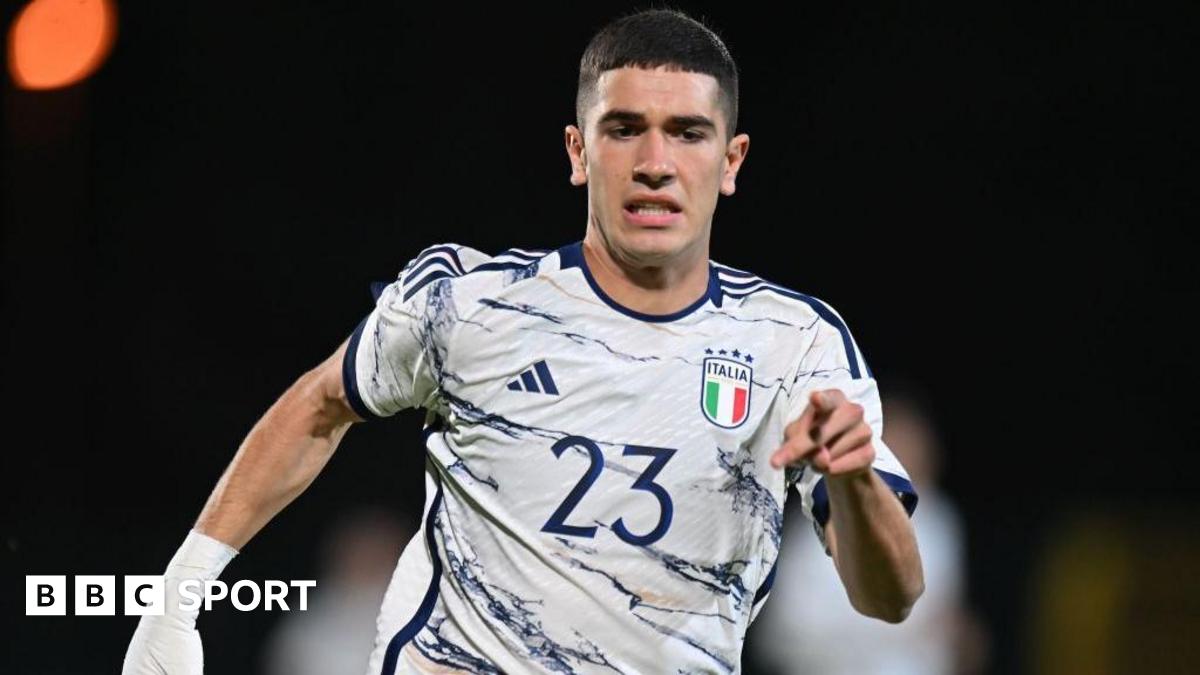
Cristian Volpato makes a high-stakes call ahead of the World Cup
8 hours ago
Arsenal and England breathe sigh of relief as Bukayo Saka manages training load
8 hours ago
Neymar's World Cup status in doubt after training camp medical emergency
10 hours ago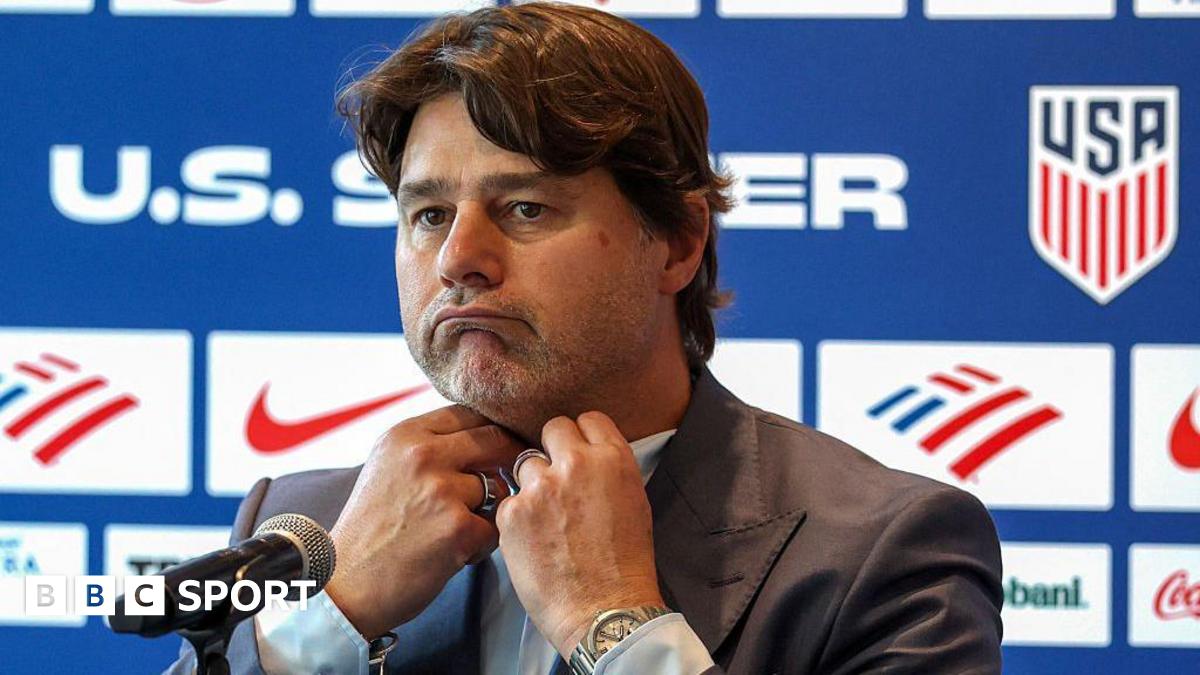
Pochettino moving to Milan mid-cycle is a dereliction of duty
11 hours ago
Switzerland are the most dangerous sleeper in this World Cup
19 hours ago
Messi is chasing a second star while the rest of the world plays catch-up
20 hours agoMore Analysis
Why Scottish football is suddenly terrified of change
2 months ago
Steve Clarke's Scotland gamble is a dangerous game
1 month, 4 weeks ago
Scottish football is currently losing its collective mind over Steve Clarke and James Tavernier
2 months ago
Steve Clarke's pragmatism is setting Scotland up for a major World Cup flop
1 week, 2 days ago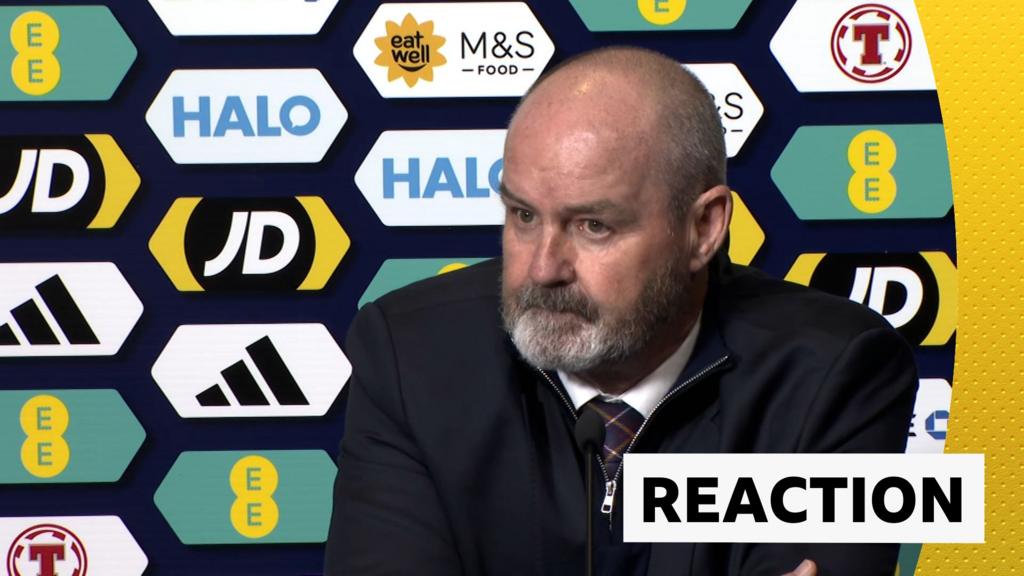
Scotland are sleepwalking into a World Cup disaster
1 month, 4 weeks ago