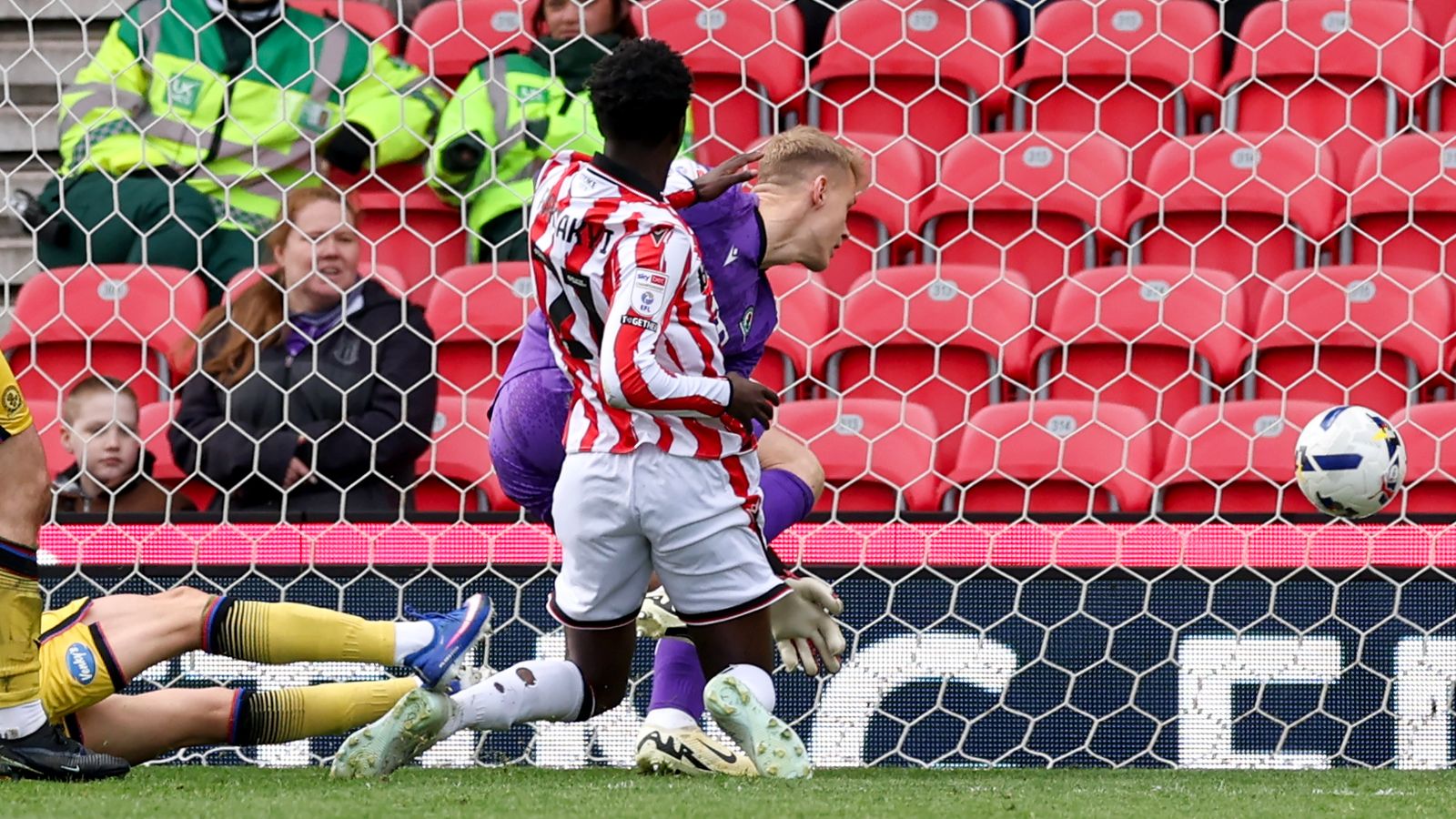
Tactical gridlock meets physical toll at the bet365 Stadium
Stoke City and Blackburn Rovers battled to a draw in a match defined more by attrition than attacking fluidity. The final 1-1 scoreline reflects a game where both sides prioritized defensive stability, yet several players were forced off the pitch due to physical complications. Medical staffs are currently reviewing muscle fatigue and recurring knocks that suggest a squad rotation problem for both managers.
Data from the fixture shows a high volume of sprints followed by sudden deceleration in the final third. Blackburn’s wide players appeared particularly impacted by the heavy surface, leading to early substitutions that disrupted their momentum. The Stoke vs Blackburn report confirms the physical nature of the encounter, which saw multiple challenges stop play for extended periods.
The recovery timeline and squad management
With domestic fixtures coming thick and fast, the recovery window for affected personnel is tight. Players showing signs of soft-tissue damage are expected to undergo mandatory scans within the next 48 hours. Trainers are managing inflammation, with many expected to miss at least one subsequent fixture to mitigate the risk of long-term tearing.
This is a recurring theme for teams sitting in the middle of the table. Without the depth of top-tier clubs, the drop-off in output when key starters sit out is significant. Mid-table fatigue management often decides which clubs push for a playoff spot and which clubs fade as the fixture list swells in April.
Strategic implications for upcoming weeks
The reliance on small rotations is putting massive pressure on support staff. If a player sustains a Grade 1 strain, the typical 10-to-14-day rehab window keeps them out of the high-intensity atmosphere of modern league play. Teams cannot afford to lose anchors now, especially as we approach the final stretch of the season.
One critical observation from the match: the substitutions lacked a clear tactical purpose regarding injury prevention. Both managers held their bench until the 70th minute, despite clear signs of physical distress on the field. Waiting for a flare-up before signaling a change is a high-risk coaching strategy that repeatedly backfires.
Historical context of mid-April fatigue
Historical trends in professional football show a sharp rise in soft-tissue injuries during mid-April. This corresponds with the exhaustion accumulated from the winter schedule. Clubs that previously prioritized early subs have statistically performed better in the final five games of the calendar. Conversely, those that push players through “manageable pain” often see those same players ruled out for the start of the following campaign.
The intensity of the final phases of a campaign often masks initial injury symptoms. Adrenaline forces players to override biological warning signs, leading to more severe setbacks later. For Stoke and Blackburn, the priority now shifts from table position to medical clearance. If they fail to rotate effectively, the short-term points gain could be eclipsed by a complete collapse in individual performance levels.
Managing the physical status of a squad is not purely a medical task. It is a fundamental part of the manager's job description. Failing to anticipate the drop-off in player fitness is a recurring failure for coaching staffs at this level. The inability to rely on a complete 25-man roster reflects poorly on previous transfer windows and current conditioning programs.
Looking toward the final run-in
Players remain the primary assets of any club, yet their usage rates continue to push past the limits of human recovery. Unless the fixture volume changes, this attrition will always be the defining narrative of the league. Clubs like Ipswich and those navigating the aftermath of high-stakes derbies have already seen this reality emerge in their own camps this month.
The upcoming weeks require precise management. Maintaining fitness for the final matchday is the only goal left for squads trapped in stalemates. If the medical reports from this week indicate anything, it is that the physical ceiling has been reached for several key starters. Coaches who refuse to acknowledge this will inevitably face a thinner bench as the season reaches its final whistle.
Read Next
- Stoke versus Blackburn: A tactical stalemate waiting to happen
- Ipswich and Norwich navigate aftermath of high-stakes East Anglian derby
- Kieffer Moore returns to lead Wrexham's final Championship push
- Liverpool injury crisis deepens as midfield options thin out
- 🏟 EFL Championship 2025-26 — Promotion Race & Play-Off Final Hub