Measuring the stagnation in the Potteries
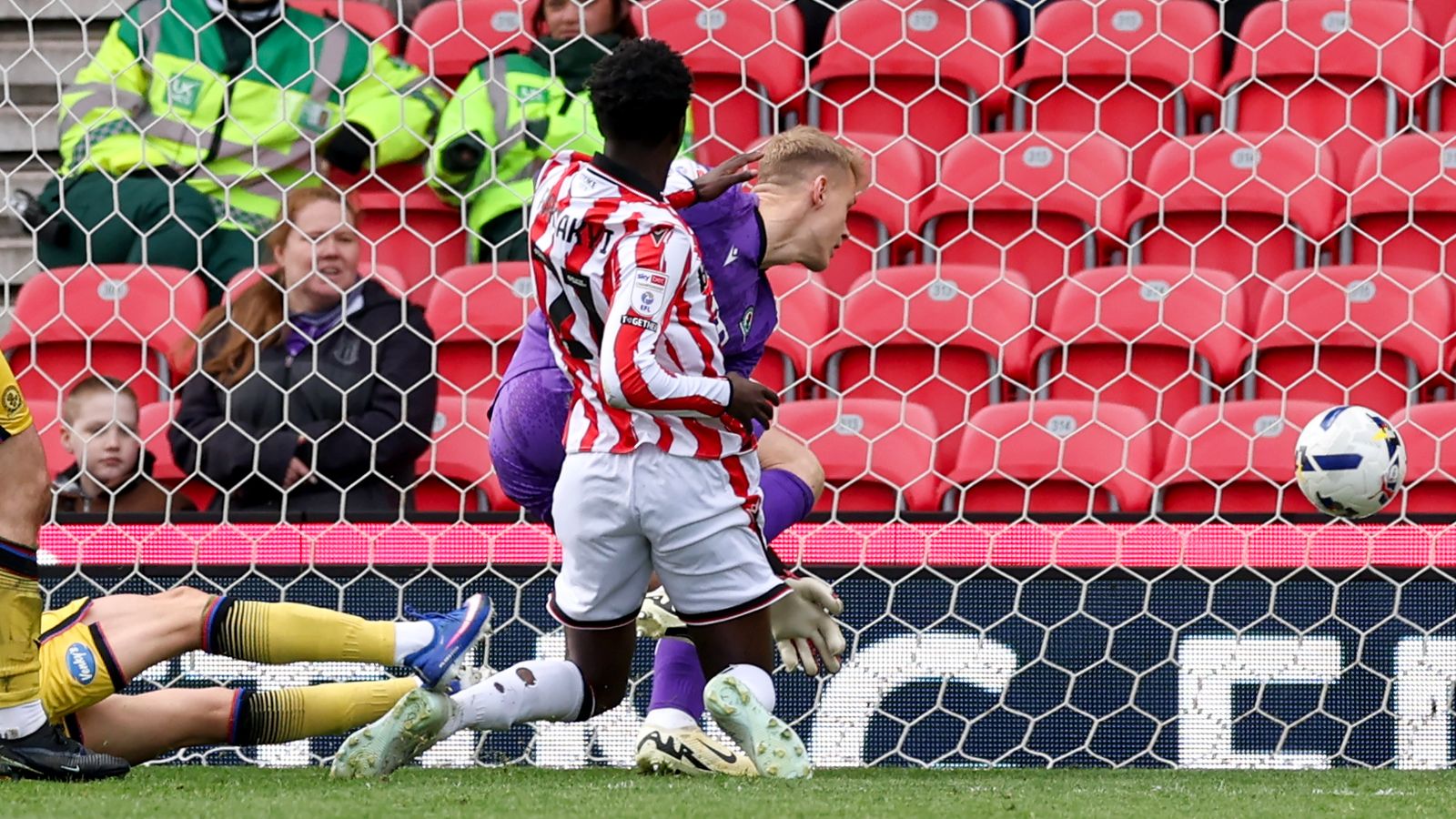
Stoke City and Blackburn Rovers enter this weekend locked in a Championship struggle that feels less like a race and more like a grind. Recent results have painted a picture of two sides struggling to implement coherent attacking structures against deep defensive blocks. When Stoke faced Blackburn on April 11, the evidence of their tactical limitations was clear for anyone watching the transition phases.
The draw, reported by Sky Sports, highlighted both teams' inability to convert territorial dominance into high-quality chances. Stoke often finds itself caught in the middle third, recycling possession horizontally without finding the vertical pass. Their reliance on wide overloads provides volume, but the quality of service into the box remains inconsistent.
Blackburn's defensive vulnerabilities under pressure
Blackburn under John Eustace has frequently looked like a team afraid to commit numbers forward. Their reluctance to push the defensive line higher means they often invite pressure, leading to a crowded final third where space disappears. It is a conservative approach intended to mitigate defensive lapses, but it leaves their solo striker isolated against two center-backs.
Statistical profiles indicate both squads suffer from a lack of creativity in the half-spaces. Blackburn averages roughly 1.1 xG per ninety minutes in recent outings, a figure that bottom-half teams usually record when they are out of ideas. If the midfield duo fails to break the first line of the opposition press, the wingers are forced to drop too deep to receive the ball.
The structural flaws preventing a clean sweep
Coaches often talk about finding a rhythm, but for both clubs, the issue is fundamental positioning. When Stoke loses possession, their recovery runs are often uncoordinated. Opponents have identified this, finding joy in the channel between the retreating full-back and the central defender.
Blackburn's issue is inverted; they are defensively sound in their shape but lack the dynamic dribbling required to stretch a set defense. Relying on set-piece variance is not a sustainable path to points in a league as physically demanding as this one. It is a frustrating reality for a fan base looking for signs of genuine evolution.
Prediction: A tactical draw
Looking at the current form and the tactical rigidity displayed by both managers, a high-scoring game feels unlikely. Stoke will push for a goal at home, yet their conversion rate has been poor throughout the campaign. Blackburn is content to absorb pressure and wait for a transition moment that may never manifest.
I expect this to finish 1-1. Neither side has the offensive output to break the other down consistently, and the fear of conceding a late goal will likely force both benches to play for the point as the clock ticks past the 75th minute. The points will be shared, and both managers will leave the stadium blaming a lack of clinical execution rather than their own conservative setups.
Read Next
- Stoke-Blackburn stalemate leaves lingering injury concerns
- Championship promotion race is turning into a chaotic slog
- Ipswich and Norwich navigate aftermath of high-stakes East Anglian derby
- Ipswich just snatched the momentum in the Championship promotion race
- 🏟 EFL Championship 2025-26 — Promotion Race & Play-Off Final Hub