The transition from static to lethal
Sweden head into their upcoming fixtures in a state of flux. Their recent 3-1 victory over Tunisia underscored a shift in how Janne Andersson’s side moves through the gears. The team is no longer relying on wide, looping crosses into the box. Instead, they are prioritizing verticality and rapid central transitions.
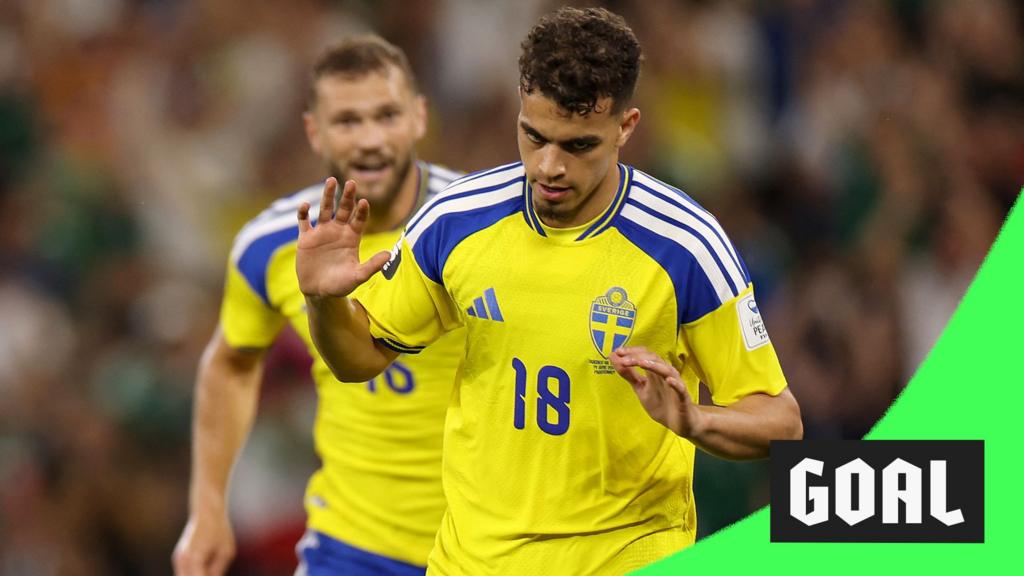
The catalyst for this change is Viktor Gyökeres. His performance in the Tunisia game showed a player who understands the geometry of the final third. When he scored their third goal, it wasn't just a finish; it was the result of a calculated diagonal run that exploited the channel between the center-back and the full-back. He creates space by occupying defenders, effectively clearing lanes for oncoming midfielders.
The defensive cracks still remain
Despite the offensive output, Sweden remains vulnerable during the transition phase from attack to defense. Tunisia found success by targeting the pockets of space left behind by Swedish full-backs who push high to support the width. When those wing-backs are caught upfield, the recovery speed of the center-back trio is often insufficient to cover the lateral gaps.
Tactically, Sweden is a team that wants to press, but their trigger points are often ill-timed. In the match against Tunisia, they recorded a defensive intensity score that suggests a lack of coordination during high pressing sequences. If they play a side with more composed technical midfielders, they will likely be bypassed with a single threaded pass. This defensive fragility is a significant gamble given their tournament ambitions.
Midfield dynamics and the creative burden
The success of this 3-4-1-2 setup leans entirely on the pivot pair. They are tasked with protecting the back three while simultaneously feeding Gyökeres early. Against high-pressing opponents, this duo often struggles to progress the ball through the center, choosing instead to recycle possession laterally across the backline. This lack of risk-taking in the middle allows opponents to reset their defensive shape.
As Sky Sports reported in their match coverage, the victory was convincing on paper, yet the underlying numbers indicate a reliance on individual moments of brilliance rather than system-wide dominance. A team hoping to make a deep run in the summer must find a way to control the tempo for more than twenty-minute increments.
Prediction: A cautious path forward
Sweden will likely navigate their group comfortably, but they are not yet a cohesive unit. Gyökeres provides a clinical edge that often spares them their defensive blushes. If the manager can tighten the gaps between the midfield and the defensive line during the transition, they become a dangerous dark horse. If not, they will eventually be dismantled by any side capable of exploiting quick counters.
Prediction: Sweden wins 2-0 against their next opponent, relying on a dominant opening half, but they will concede several high-quality chances on the break. They do not have the security to keep a clean sheet against top-tier tactical opposition.