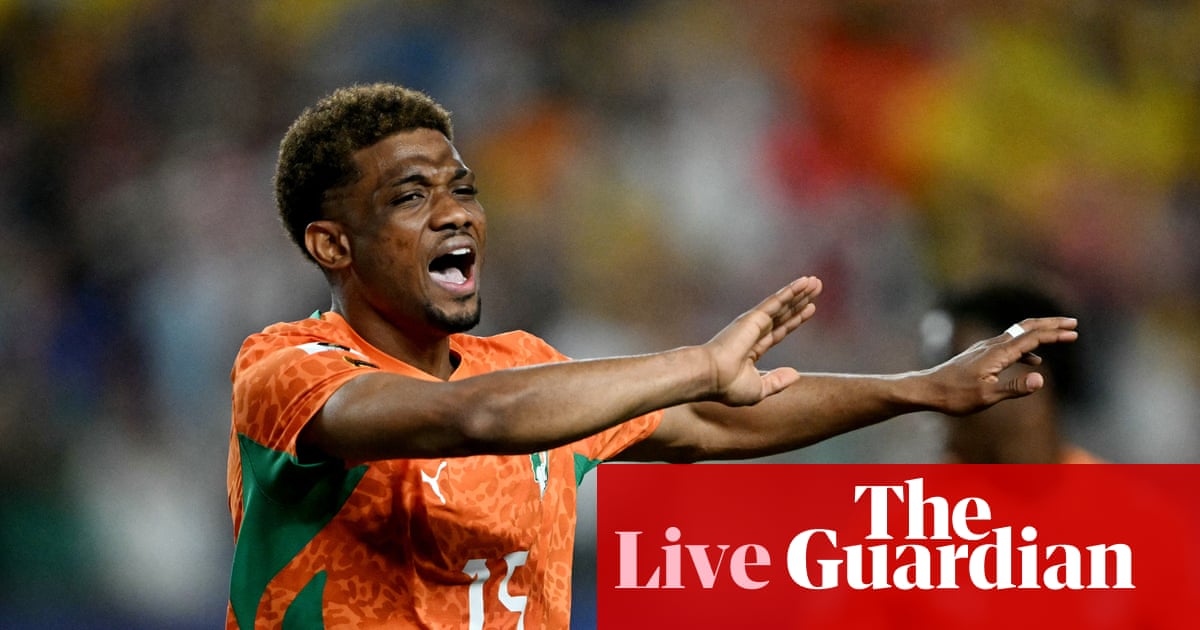
Tunisia's tactical pivot against Sweden isn't enough to hide their defensive gaps
The structural failure in Tunisia's wide channels
Watching Tunisia navigate the first hour against Sweden requires a notebook filled with crossing lines and repeated warnings. As the match progressed toward the hour mark, the tactical setup employed by the Tunisian midfield failed to account for Sweden's diagonal ball progression. The Scandinavians consistently bypassed the initial press, leaving the defensive line exposed to overlapping runs on the flanks.
By the 68th minute, the Tunisian response was to push higher, seeking that elusive equalizer. While the glancing header successfully halved the deficit to 2-1, the intent felt reactive rather than strategic. A goal is a singular moment of success, but it does not mask the reality that Tunisia yielded control of the second ball for nearly 40% of the opening half.
Midfield stagnation and the price of possession
Pattern recognition in modern football relies on the spacing between the defensive shield and the attacking quartet. Tunisia struggled to bridge this zone throughout the first sixty minutes. Every time they regained possession, the transition was slowed by lateral passing sequences that allowed the Swedish block to reset into a compact 4-4-2 formation.
This stagnation is precisely why the late header felt like a statistical anomaly rather than a shift in momentum. When a side manages only 38% of territorial control in the final third across the first segment of the match, late-game heroics become desperation tactics. A team cannot expect to sustain pressure when the pivot player is forced to drop into the backline every time the opponent accelerates vertically.
Defensive fragility remains the persistent narrative
The core issue here is not just the personnel but the distance between the lines. Throughout the match, Swedish wingers found acres of space because the Tunisian fullbacks were caught in the classic dilemma of tracking runners or holding the defensive width. At one point, the gap between the center-back pair reached nearly fifteen yards.
This is a recurring flaw that goes beyond one fixture. Recent performances from other promotions suggest that even when talent is present, schematic rigidity often leads to a quick exit. Much like the recent analysis of systemic booking errors, the failure to adapt mid-match is what separates the pretenders from the contenders. If the goal was to prove resilience, they succeeded. If the goal was to dominate, the notebook shows evidence of a massive tactical chasm.
Ultimately, the late surge will be remembered as a footnote. The match statistics prove that the structural integrity of the Tunisian team shattered every time Sweden committed men forward with pace. Changing the scoreline provides a brief reprieve, but changing the defensive discipline requires a complete overhaul of the current high-line approach. Without a more disciplined recovery run from the midfield, this team will continue to struggle against sides that know how to exploit wide-channel numerical superiority.
Nike Mercurial Lite Soccer Shin Guards
Ultra-thin protection for the fastest players on the field.
Frequently Asked Questions
Why did Tunisia struggle defensively against Sweden?
How did Sweden bypass Tunisia’s midfield?
What tactical issues caused Tunisia's midfield stagnation?
What created the gap in Tunisia's center-back pairing?
What must Tunisia change to improve their defensive performance?
More Coverage

Sweden just sent a message that the rest of the world ignored
50 minutes agoTactical naivety is costing Tunisia their tournament life
an hour ago
Germany showed their teeth but Curacao earned their place
an hour agoSweden’s tactical evolution hinges on Viktor Gyökeres
an hour agoSweden's predictable ball-hogging will be their undoing
2 hours agoSweden and Tunisia prove sterile tactical games are the new normal
3 hours agoMore Analysis
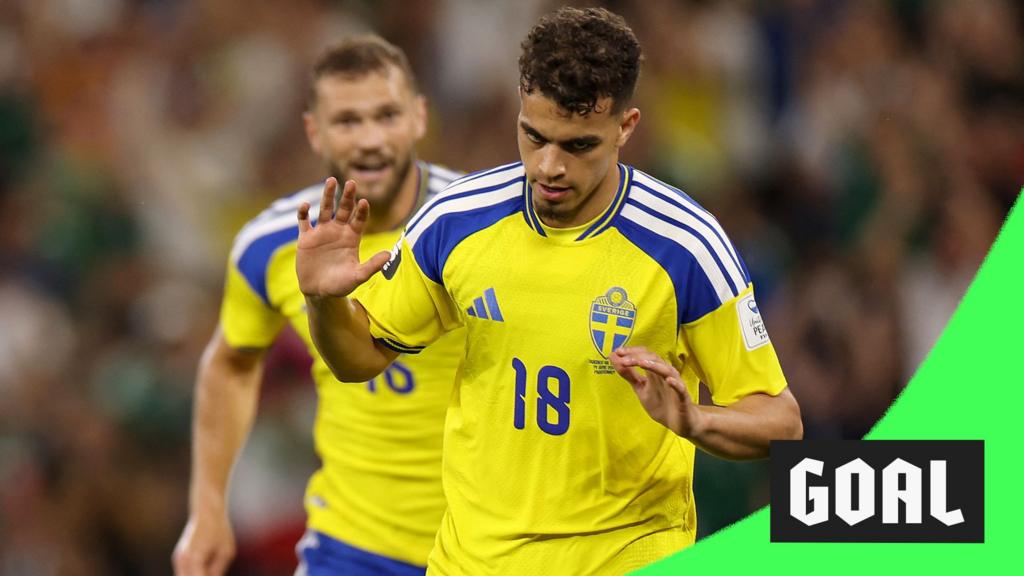
Top 10: Defining Moments of the 2026 World Cup Group Stage
50 minutes ago
Sweden just sent a message that the rest of the world ignored
50 minutes ago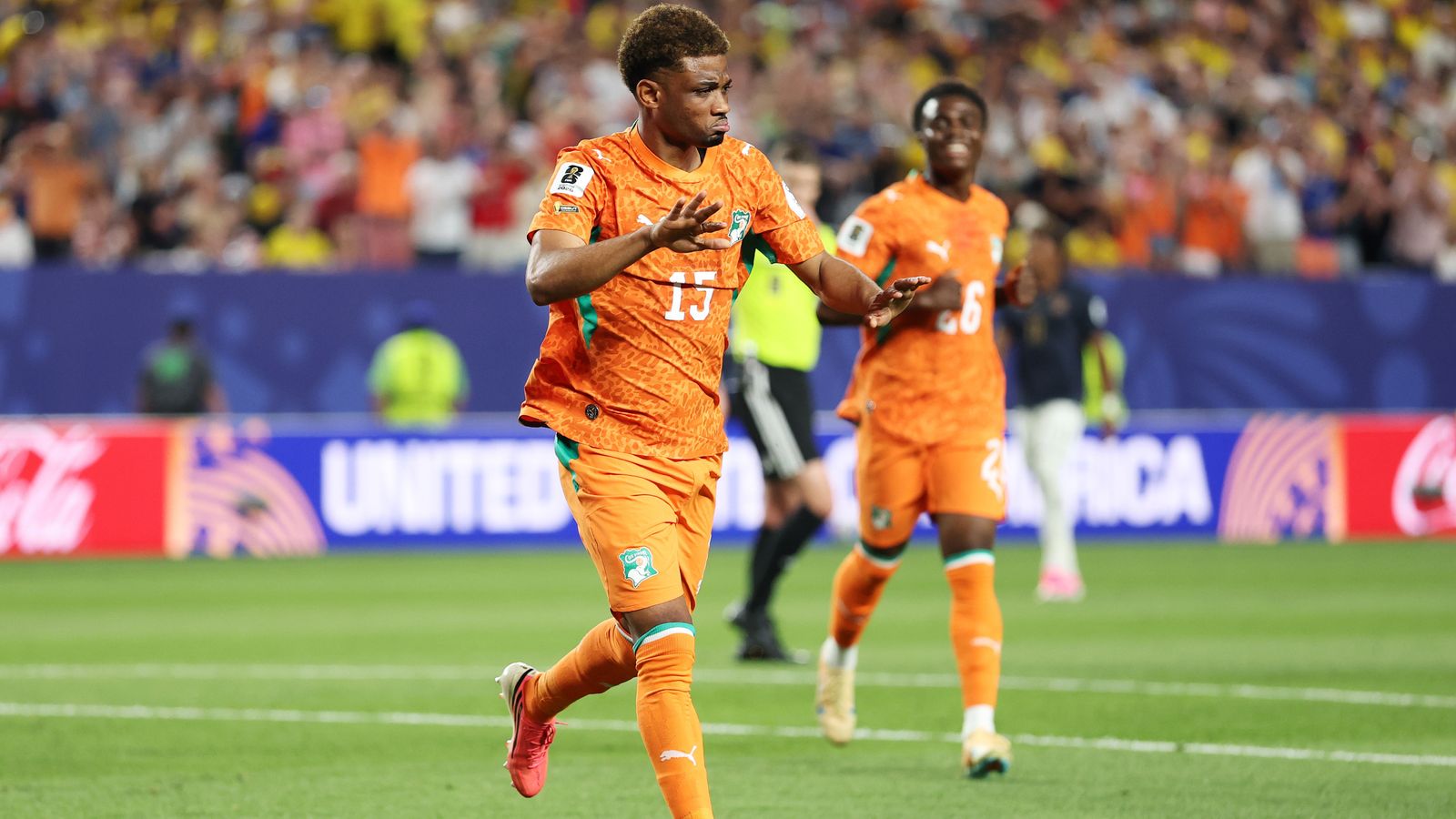
Amad Diallo is officially the main character for Ivory Coast
an hour agoTactical naivety is costing Tunisia their tournament life
an hour ago
Germany showed their teeth but Curacao earned their place
an hour ago