
FIFA is hurtling toward a disciplinary and financial meltdown this summer
The end of the whispered instruction
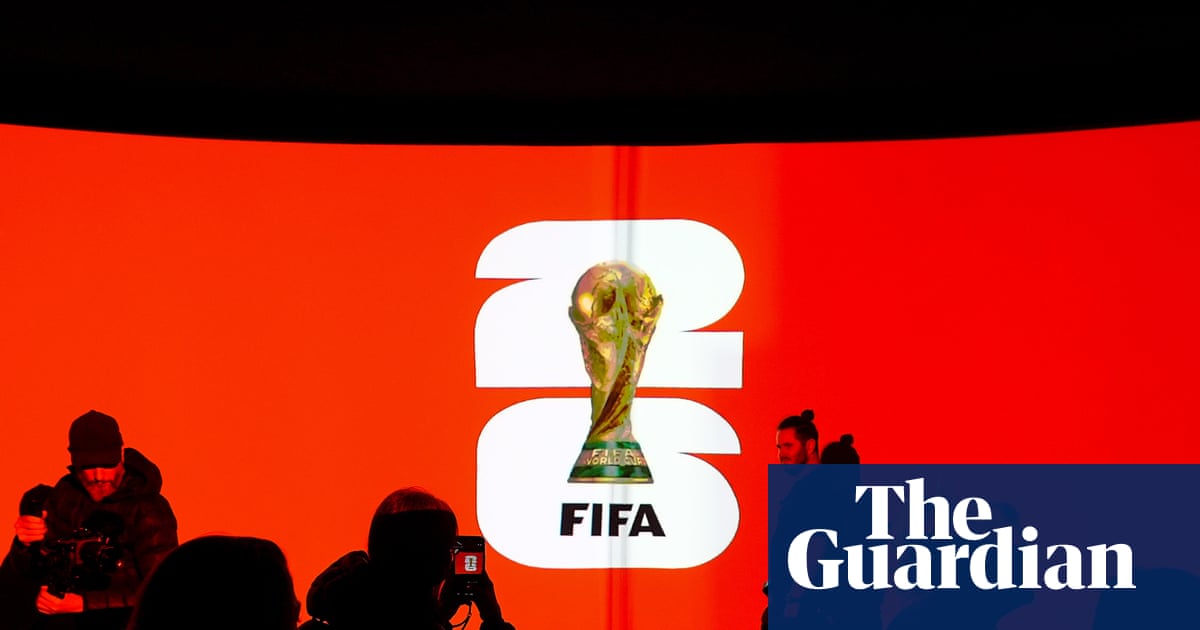
In just 43 days, the most bloated, politically charged, and expensive World Cup in history will kick off. While most fans are debating tactical lineups or scanning the 112-page Panini album, FIFA is preparing to drop a disciplinary hammer that will fundamentally alter the way football is played on the pitch. The headline change is as absurd as it is draconian: any player who covers their mouth when confronting an opponent or leaves the pitch in protest of a refereeing decision will receive an automatic red card.
This isn't just a minor tweak to the Laws of the Game. It is a fundamental assault on the "dark arts" of modern communication. Watch any top-flight match today and you see it constantly. Players cover their mouths to hide tactical instructions from lip-readers, to swear at opponents without television cameras catching the evidence, or to coordinate a high press. IFAB, the game’s lawmakers, have decided this level of secrecy is a threat to the image of the sport. They cite the fallout from the Prestianni controversy and the chaos of the recent Afcon final as the primary drivers for this shift.
From a tactical perspective, this is a nightmare for defenders. Imagine a center-back trying to organize a defensive line during a 90th minute corner at a packed Allegiant Stadium. In the heat of the moment, the instinctive urge to shield your mouth while shouting at a teammate could now lead to a dismissal. FIFA is essentially mandating transparency in a sport built on deception. It is a rule that prioritizes optics over the reality of high-stakes competition, and it is almost guaranteed to result in a flurry of controversial reds during the group stages.
The billionaire's peace prize and the security void
The technical area isn't the only place where the pressure is reaching a breaking point. Off the pitch, the 2026 World Cup is navigating a geopolitical minefield. In December, FIFA took the extraordinary step of awarding US President Donald Trump its inaugural peace prize. It was a move that went largely unchallenged in the corporate suites of Zurich, but it has not sat well with the players who actually have to perform.
Australian international Jackson Irvine has been the most vocal critic, stating that the award makes a mockery of FIFA’s own human rights charter. Irvine’s willingness to risk the wrath of the American administration is a rare show of backbone in a sport that usually prefers the safety of the corporate line. It highlights the growing rift between the governing body’s political maneuvering and the values of the athletes they represent. This tension is further complicated by the precarious security situation in the host nation.
White House officials are currently urging the Department of Homeland Security to reopen fully for the tournament after an attempted assassination of President Trump. As BBC Sport reported, the logistics of securing a 48-team tournament across three massive nations are proving to be a gargantuan task. When you add a volatile political climate and a high-profile assassination attempt to the mix, the infrastructure of the World Cup looks increasingly fragile. FIFA is gambling that the spectacle of the 48-team expansion will distract from these systemic cracks.
The thousand-pound sticker book and participation costs
For the fans, the expansion is hitting the pocketbook harder than ever before. The 48-team format means more players, more teams, and a staggering 980 unique stickers to fill the official Panini album. Mathematical estimates suggest that a collector in Britain would need an average outlay of £1,000 to complete the book. With individual packets now costing £1.25, the hobby has moved from a playground staple to a luxury investment. It is a microcosm of the 2026 tournament: bigger, flashier, but increasingly inaccessible to the common supporter.
This financial strain isn't limited to the fans in the stands. FIFA has been forced to commit an additional £650m to the participating nations after several federations expressed "major concerns" about the cost of participation. The logistics of moving 48 squads across the USA, Canada, and Mexico are unprecedented. FIFA’s attempt to mitigate this by securing last-minute tax exemptions for all qualifiers from the US Treasury shows how desperate they are to keep the federations on side. While teams might be exempt from federal taxes, many will still face city and state levies, creating a complex accounting headache for every visiting delegation.
Even the biggest stars aren't immune to the commercial pressure. Erling Haaland is currently facing a fierce backlash in Norway for his participation in a "tragic" beer commercial for Budweiser. As The Guardian reported, Norway has a strict ban on alcohol advertising, and campaigners have hit out at Haaland for using his status as a role model to promote the "Let It Pour" campaign. It is a classic clash between local cultural values and the global commercial juggernaut of World Cup sponsorship.
Physical burnout and the tactical cost of expansion
We are also seeing the human cost of the relentless football calendar. The retirement of England captain Millie Bright at just 32 is a sobering reminder of the physical toll. Bright stated she "can't physically give any more" after years of playing at the highest level for Chelsea and the national team. While her retirement is immediate, it casts a long shadow over the men's tournament this summer. Many players will arrive in North America having played 60+ matches in a season, only to be thrust into a 48-team marathon where the margins for error are being narrowed by IFAB’s new card rules.
The expansion also changes the tactical landscape of the tournament. More teams often mean more defensive blocks. We will likely see a significant number of matches where the lower-ranked nations park the bus, hoping to snatch a point and navigate the expanded group stages. This is where the red card rule becomes truly dangerous. If a frustration-fueled mouth-cover leads to a red card in a 0-0 stalemate, it doesn't just change the match—it could destroy a nation's entire tournament based on a technicality that has nothing to do with the quality of football.
Host cities like Vancouver are preparing for the influx, with the Canadian national team scheduled to play two of their three group games at BC Place. The atmosphere will be electric, but the tournament’s success hinges on whether the football can transcend the logistical chaos. FIFA’s increase in prize money to a total of £135m for the winners is meant to be the ultimate carrot, but it feels like a bribe to keep people from looking too closely at the underlying problems.
The verdict of the analyst
Football is a game of emotion. By attempting to legislate against that emotion—whether it’s covering a mouth to hide a curse or walking off the pitch in protest of a perceived injustice—FIFA is sanitizing the sport to the point of breakage. We want the intensity. We want the tactical intrigue. We don't want a tournament decided by which player has the best self-control under the scrutiny of 40 high-definition cameras.
The 2026 World Cup will be the biggest in history, but there is a real danger it will be remembered for all the wrong reasons. From the £1,000 sticker books to the threat of automatic red cards for whispered secrets, the soul of the game is being squeezed by the twin vices of corporate greed and over-regulation. As we count down the final 43 days, the focus should be on the brilliance of the 48 teams that have qualified. Instead, we are left wondering which star will be the first to see red for simply trying to speak to his teammates in private.
The 48-team expansion was sold as a way to grow the game. In reality, it has created a monster that requires tax breaks, massive prize money injections, and draconian disciplinary rules just to keep it from collapsing under its own weight. We might see more cards than ever before, but we might also see less of the football that made us fall in love with the World Cup in the first place.
Read Next
G-Form Pro-S Vento Soccer Shin Guards
Revolutionary shin guards that feel exactly like a second skin.
More Coverage

Why Liverpool must be wary of the Yan Diomande Bundesliga trap
14 minutes ago
Premier League summer transfer window 2026: Everything you need to know
an hour ago
Measles concerns are an unwelcome distraction for England's World Cup squad
3 hours ago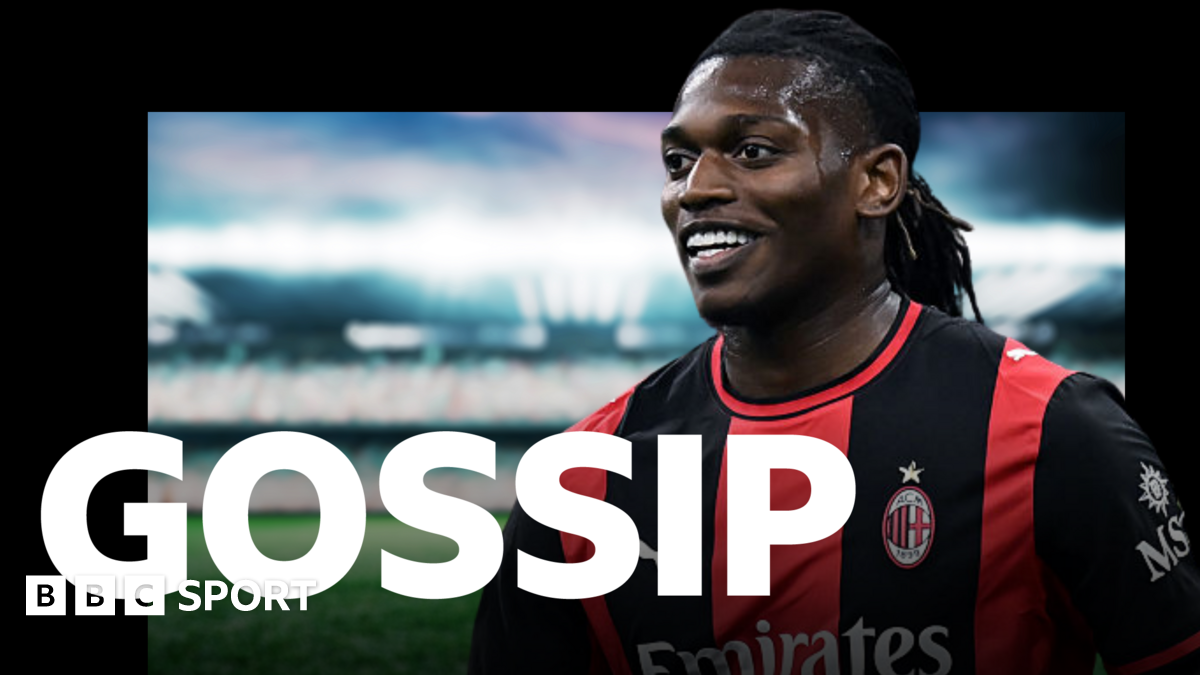
Manchester United are chasing ghosts with the Leao pursuit
4 hours ago
Why England must fear Panama's disciplined low block
5 hours ago
Arsenal vs PSG: Why tactical rigidity will determine the European champion
7 hours agoMore Analysis
The breaking point of the 2026 World Cup is already here
3 weeks, 1 day ago
The World Cup's 48-team chaos is finally here
1 month, 4 weeks ago
FIFA's World Cup expansion math is finally catching up to them
1 month ago
FIFA is already sleepwalking into a World Cup disaster
1 month, 1 week ago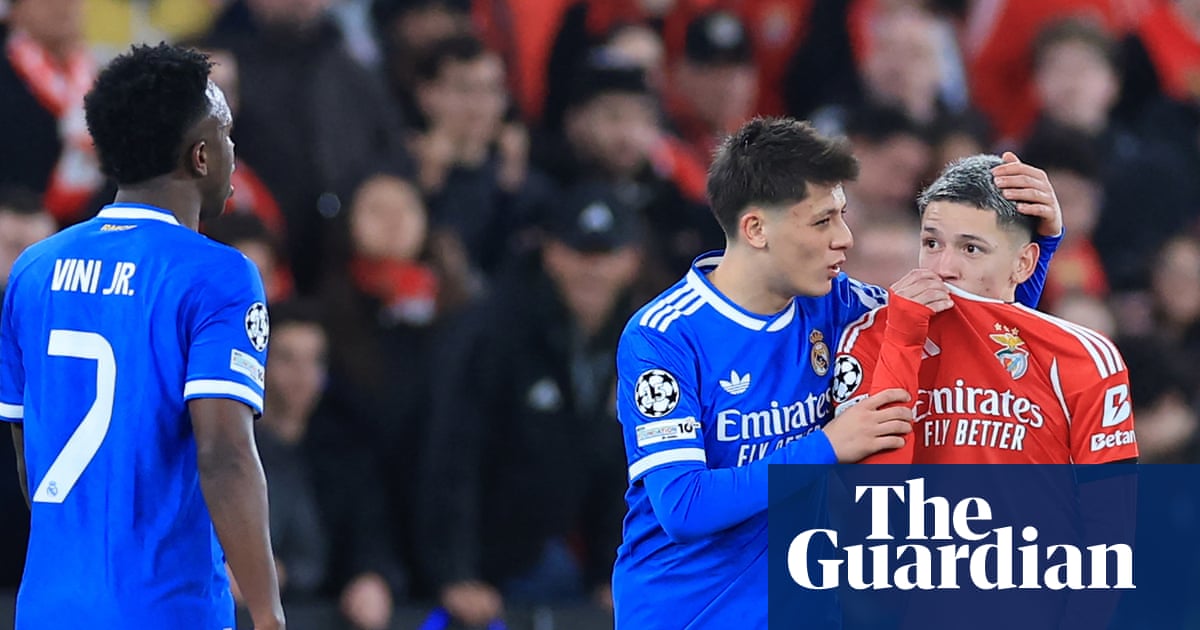
IFAB's new mouth-covering red card rule will ruin the World Cup
1 month ago