The Breaking Point in Glasgow
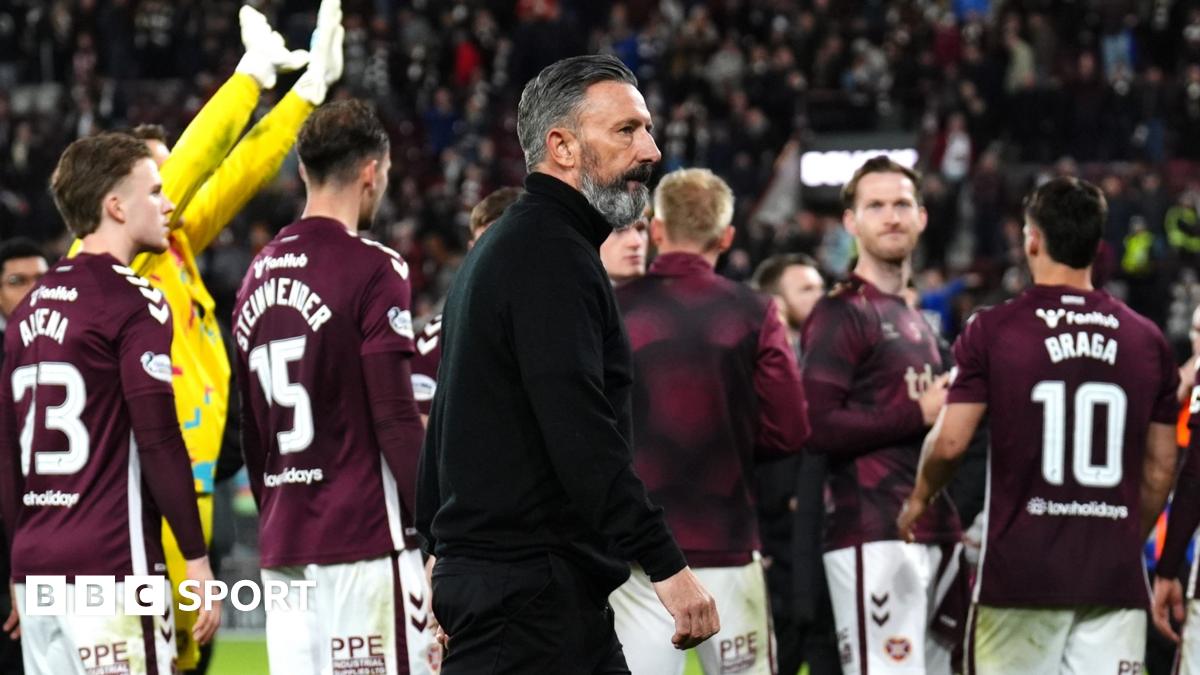
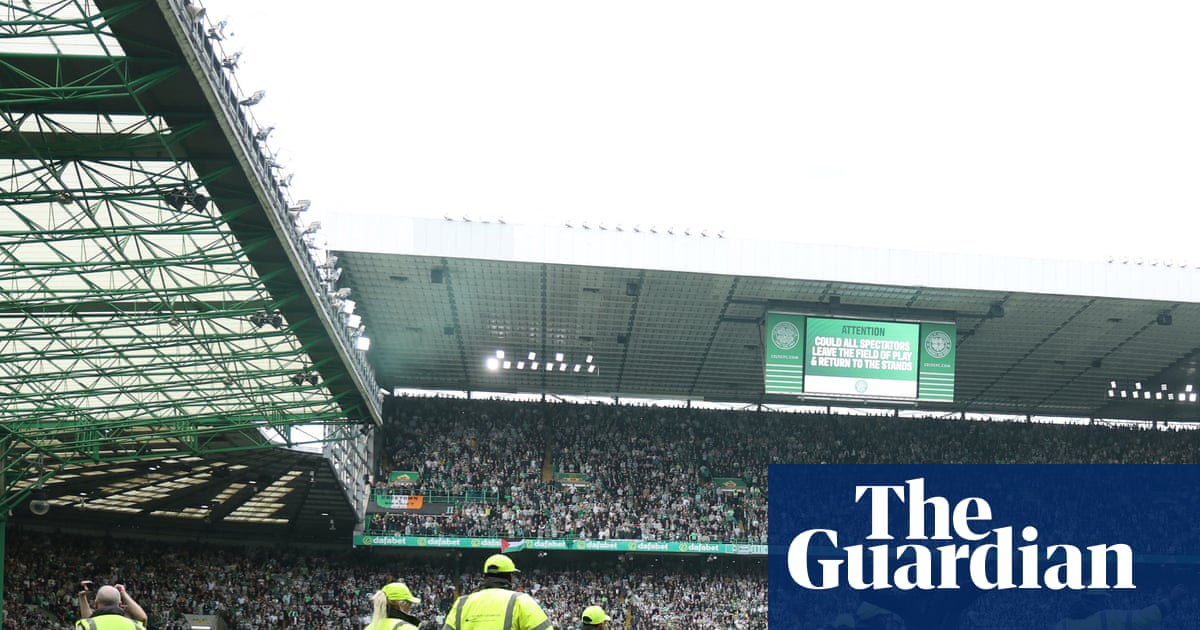
Hearts have had enough, and the numbers explain exactly why. Following the conclusion of the Scottish Premiership title race at Celtic Park, the Edinburgh club issued a statement condemning what they called "shameful" and "disgraceful" scenes. Players and staff were subjected to targeted abuse after the final whistle. The club has contacted police and demanded that authorities step in to protect the "integrity of the game."
This isn't an isolated incident of fans letting off steam after a high-stakes match. It is the mathematical peak of a trend that has been accelerating across British football for four consecutive seasons. When a title decider ends with the visiting staff requiring police intervention to exit the pitch safely, the system managing crowd control has fundamentally failed.
We have reached a point where the post-match pitch environment is statistically more dangerous for away personnel than at any time in the last two decades. The data from the last few seasons paints a grim picture of escalating hostility that governing bodies have consistently failed to arrest.
By the Numbers: A Predictable Escalation
To understand the severity of the Celtic Park incident, we have to look at the baseline metrics of stadium safety. Between the 2021/22 and 2024/25 seasons, reported incidents of fan disorder in British football surged by 60%. This encompasses everything from pitch incursions to verbal abuse directed at the dugout.
High-stakes matches—specifically title deciders and relegation play-offs—carry a significantly higher risk multiplier. Data aggregated from police forces indicates that matches categorised as having severe competitive implications see a sharp spike in post-match arrests. The Scottish Professional Football League (SPFL) is not immune to this mainland trend.
When 60,000 fans are packed into Celtic Park for a match that decides the league trophy, the emotional volatility is already modeled by security analysts as a maximum-risk event. Yet, the preventative measures consistently fall short. Police Scotland deploys heavy resources for these fixtures, but the gap between the stands and the technical area remains porous.
Hearts' demand for action isn't just about hurt feelings. It is about a measurable failure in workplace safety for their staff. When an away team cannot complete their post-match duties without facing a barrage of abuse, the deterrents—fines, partial stadium closures, or banning orders—are clearly miscalibrated.
The Cost of Inaction
Let's look at the financial and regulatory levers the authorities actually pull. Historically, the Scottish FA and the SPFL have leaned heavily on suspended fines and warnings. The average fine handed down for crowd control failures in the Scottish top flight rarely exceeds a fraction of a major club's weekly wage bill.
Compare this to UEFA's sanctioning model. In European competition, repeated crowd disturbances trigger automatic partial stadium closures. The financial penalty of losing 10,000 gate receipts, combined with the television optics of an empty stand, forces clubs to police their own supporters aggressively. Domestically, that financial threat simply does not exist.
A counterintuitive finding in crowd control analytics shows that increased police presence inside the stadium bowl doesn't actually reduce verbal abuse toward the dugout. It only reduces physical altercations between rival fanbases. The technical area is often a blind spot in matchday security planning.
This is exactly why Hearts are calling out the authorities. The club recognizes that until the governing bodies change the risk-reward calculus for clubs hosting these massive fixtures, the abuse will continue. The current enforcement model effectively prices in a certain amount of vitriol as the cost of doing business in a title-deciding match.
The Integrity of the Game
Hearts used a very specific phrase in their statement: the "integrity of the game." This moves the conversation beyond basic security and into sporting fairness. If away teams are subjected to unmanageable hostility that goes unchecked by the host club or the league, the playing field is altered.
We saw similar friction in the English Premier League over the last three years, prompting a sweeping wave of automatic stadium bans for pitch invaders and abusers. The SPFL has been slower to adopt draconian baseline punishments. The fallout from this weekend might finally force their hand.
A failure to act decisively here sets a dangerous precedent for the 2026/27 season. If a "shameful" barrage of abuse at a title decider results in nothing more than a strongly worded letter and a nominal fine, the SPFL is quietly endorsing the behavior.
There is a massive difference between a hostile atmosphere and targeted harassment. Celtic Park is renowned for its noise and intensity, which is a genuine asset to Scottish football. But when that intensity bleeds over into disgraceful conduct toward visiting staff, the line has been crossed.
What Happens Next?
Police Scotland will review the CCTV footage. Hearts will likely submit a dossier of evidence detailing the exact nature of the abuse their staff received. But the real spotlight is on Hampden Park and the SPFL executives.
They have the statistical evidence that fines don't work. They have a formal complaint from a major top-flight club. They have the public optics of a title decider marred by ugly scenes. The variables are all on the table.
If the authorities want to protect the integrity of the game, they need to look at the numbers. Small fines are a rounding error for title-winning clubs. Only sporting sanctions or severe stadium restrictions move the needle. Hearts have drawn their line in the sand. Now we find out if the SPFL has the nerve to back them up.
Read Next
- A millimeter VAR call just robbed Hearts of a historic Scottish title
- Celtic fans melt down over Daizen Maeda's Premier League admission
- The Scottish Premiership final day: Tactics, tension, and tired legs
- Robert Lewandowski’s Barcelona exit confirms the end of an era
- ⚽ Scottish Premiership 2025-26 — Celtic vs Rangers Hub