The Architect exits the building
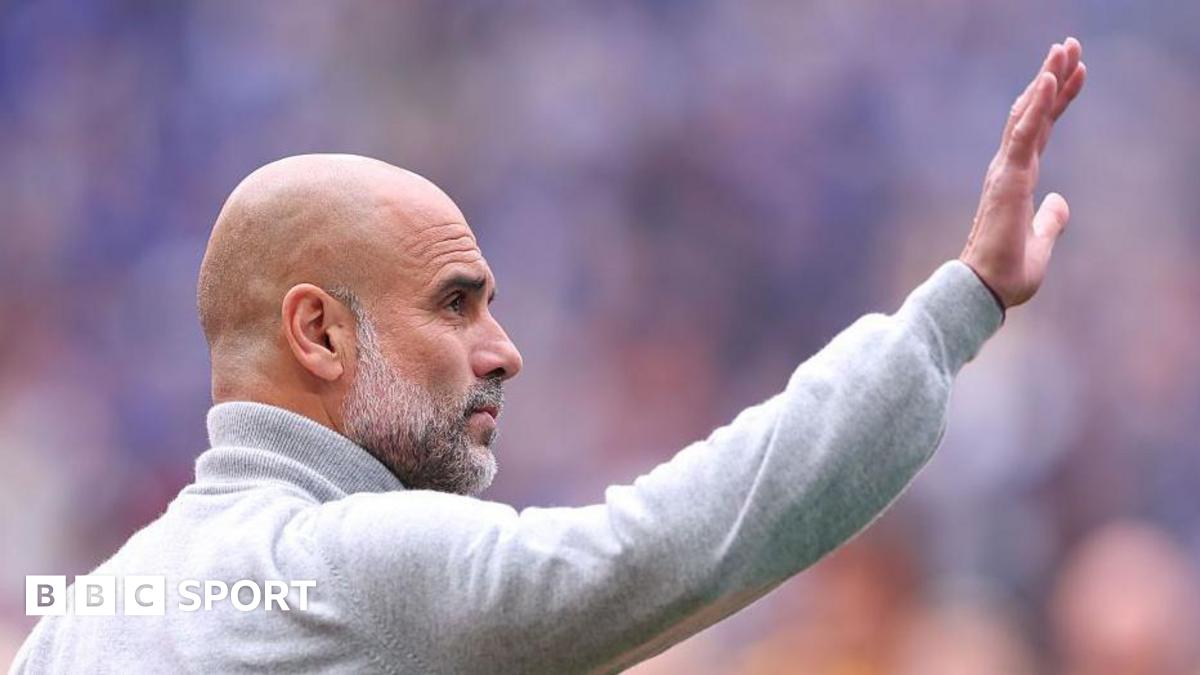
Pull up a chair and pour something strong, because we are watching the final credits roll on the most expensive, trophy-laden, and downright controversial era in Premier League history. After a decade that fundamentally broke how we look at football tactics, Pep Guardiola has finally clocked out at the Etihad. His final match against Unai Emery's Aston Villa wasn't just another Sunday fixture; it was a surreal funeral for a dynasty that redefined dominance.
You’d think the end would be all confetti and teary speeches. Instead, the air around Manchester has been thick with the looming shadow of those 115 charges of alleged financial impropriety that have been rattling the skeletons in the club's closet for years. Even in his closing statements, Guardiola remained the loyal soldier, insisting he maintains full trust in the club’s integrity. It’s a brave face to put on while you're waving goodbye, but it’s a tough sell for the rest of the league listening to the static.
The weight of the 115 charges
Let’s be real for a second: you cannot talk about this decade of City without addressing the elephant in the boardroom. While Pep was busy painting masterpieces on the grass, the backroom was operating under a cloud of massive legal suspicion. As the BBC reported, Guardiola’s insistence in his final week on his unwavering belief in the club's innocence feels less like a defense and more like a final act of professional stagecraft.
Trying to separate the manager from the institution is a fool's errand today. Supporters and critics alike know the investigation is the true legacy item here, regardless of what happens on the pitch. Pep has been the human shield, the tactical genius, and the public spokesperson for a project that, legally speaking, is still stuck in the mud. He claims to have full trust in them, but in the brutal world of top-flight football, trust is a currency that usually loses value pretty damn fast.
The awkward transition to life after Pep
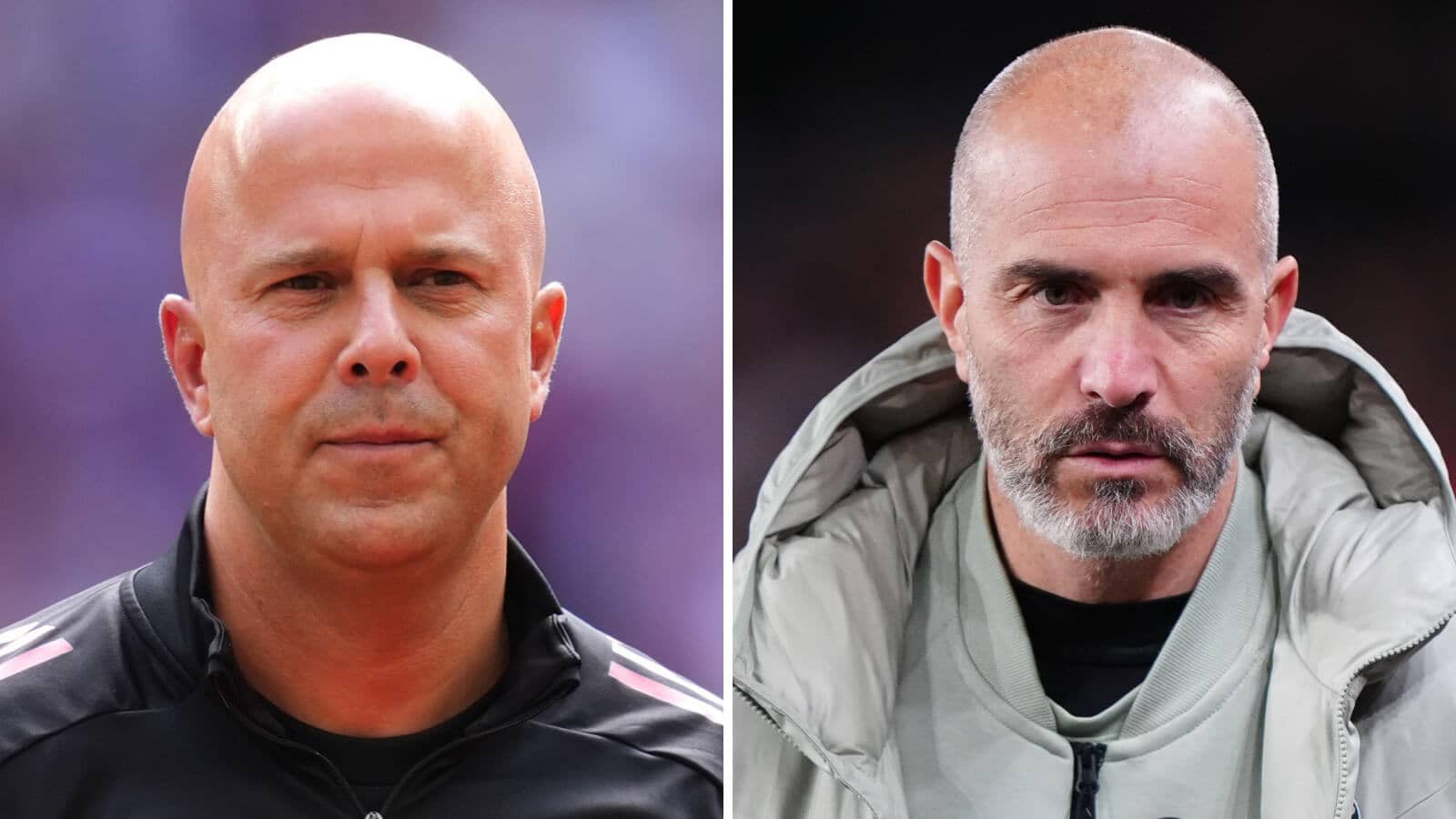
The transition plan looks about as smooth as a tricycle on cobblestones. We’ve all seen the links regarding Enzo Maresca, but Pep’s warning that simply trying to mimic his style just doesn't work is the most honest thing he’s said all season. You don’t replace a seismic shift; you survive it. It reminds me of the chaotic post-Sir Alex era at United, though arguably with more money and fewer excuses.
We also have to talk about the squad. Erling Haaland signed his long-term extension before the walls started to close in, but he wasn't even involved for this final day of the campaign. That tells you everything you need to know about the current internal vibe. As noted in recent coverage, his absence on the final day felt symbolic. The machine is running out of oil, and the next guy in the hot seat is basically inheriting a Ferrari with a pending police investigation and a missing engine.
A reality check for the Premier League
While the Etihad was busy dealing with an Aston Villa-shaped headache on their final day, the rest of the football pyramid was having its own meltdowns. Did you see the madness at Wembley? Lewie Coyle’s post-match interview after Hull’s play-off victory was pure, unadulterated passion that had Sky Sports apologizing in real-time. It was a massive contrast to the sterile, calculated silence surrounding the City situation.
We have to face the music: once Pep leaves, the Premier League becomes a very different beast. Whether you loved or loathed his dominance, the man was a barometer for quality. Without him, the tactical arms race changes. Whether the legal fallout ends with a whimper or a bang, one thing is certain: the era of 10 years of unrivaled, albeit debated, supremacy is officially in the history books. Now, we wait to see if the next act is a total rebuild or a quiet descent into the mid-table abyss.