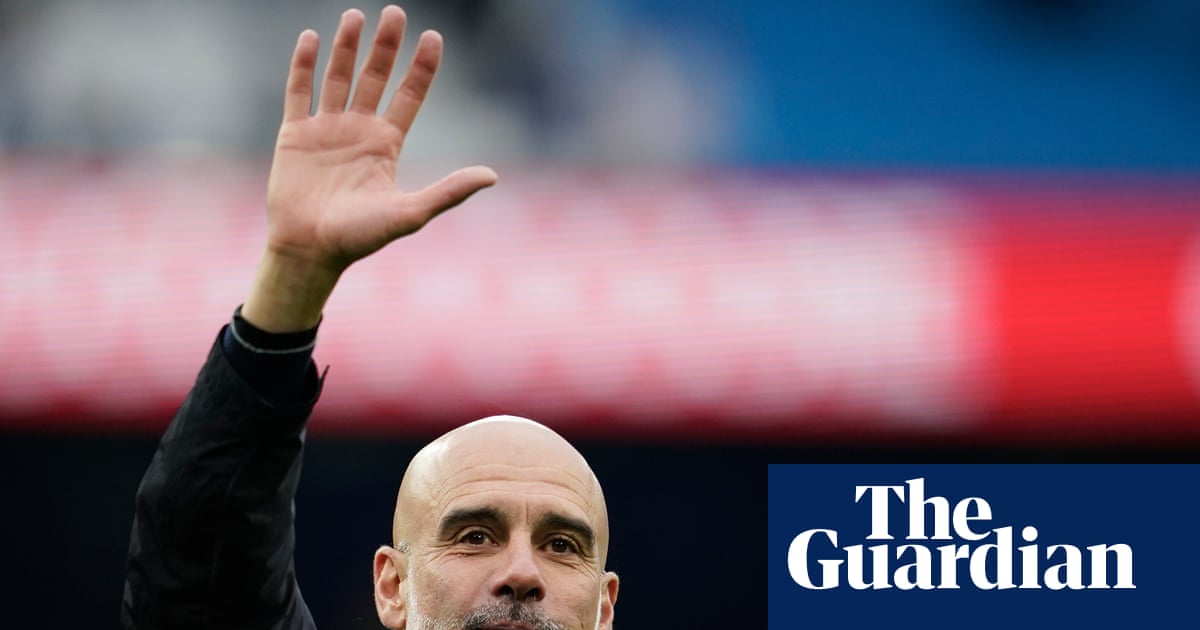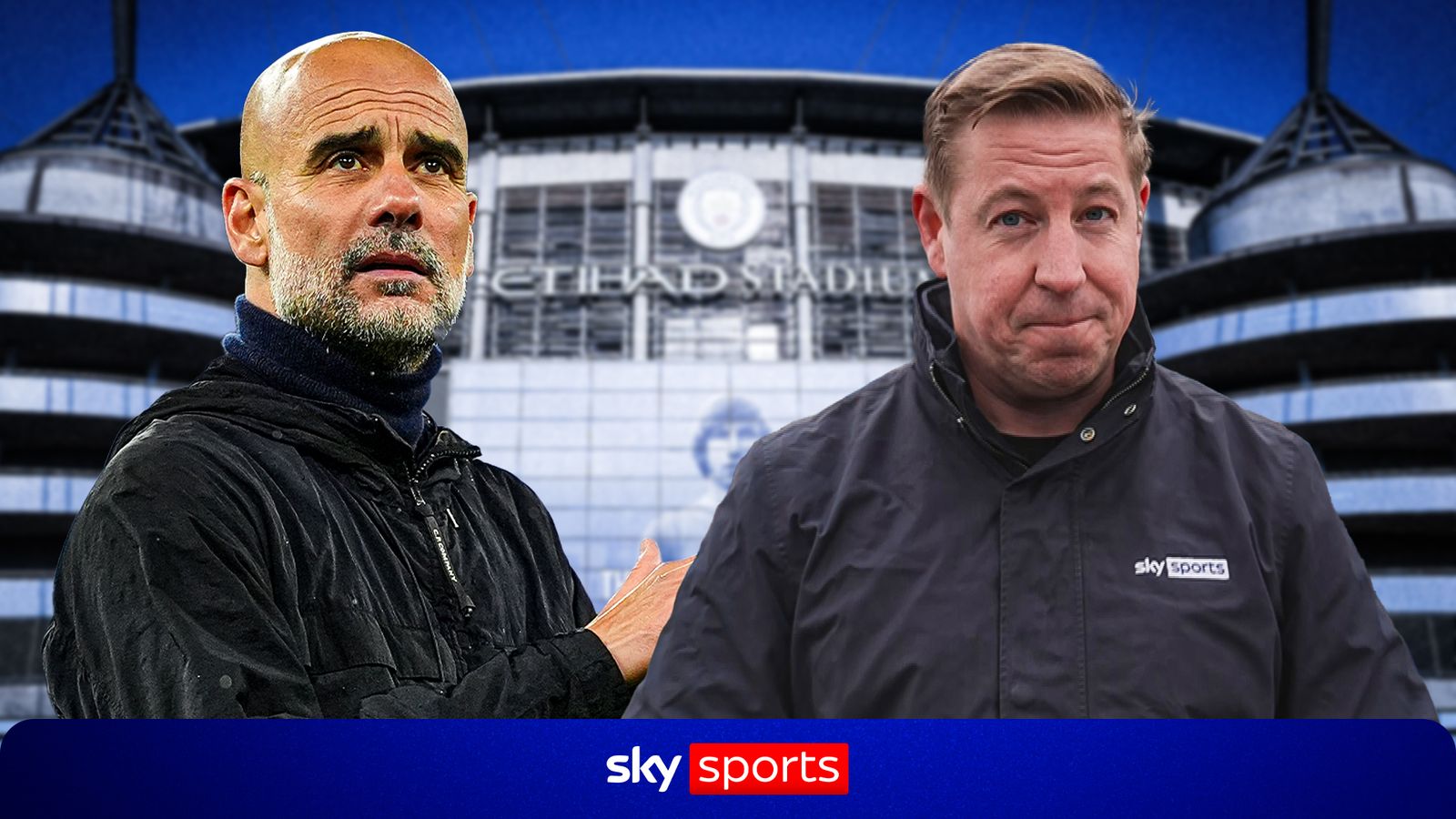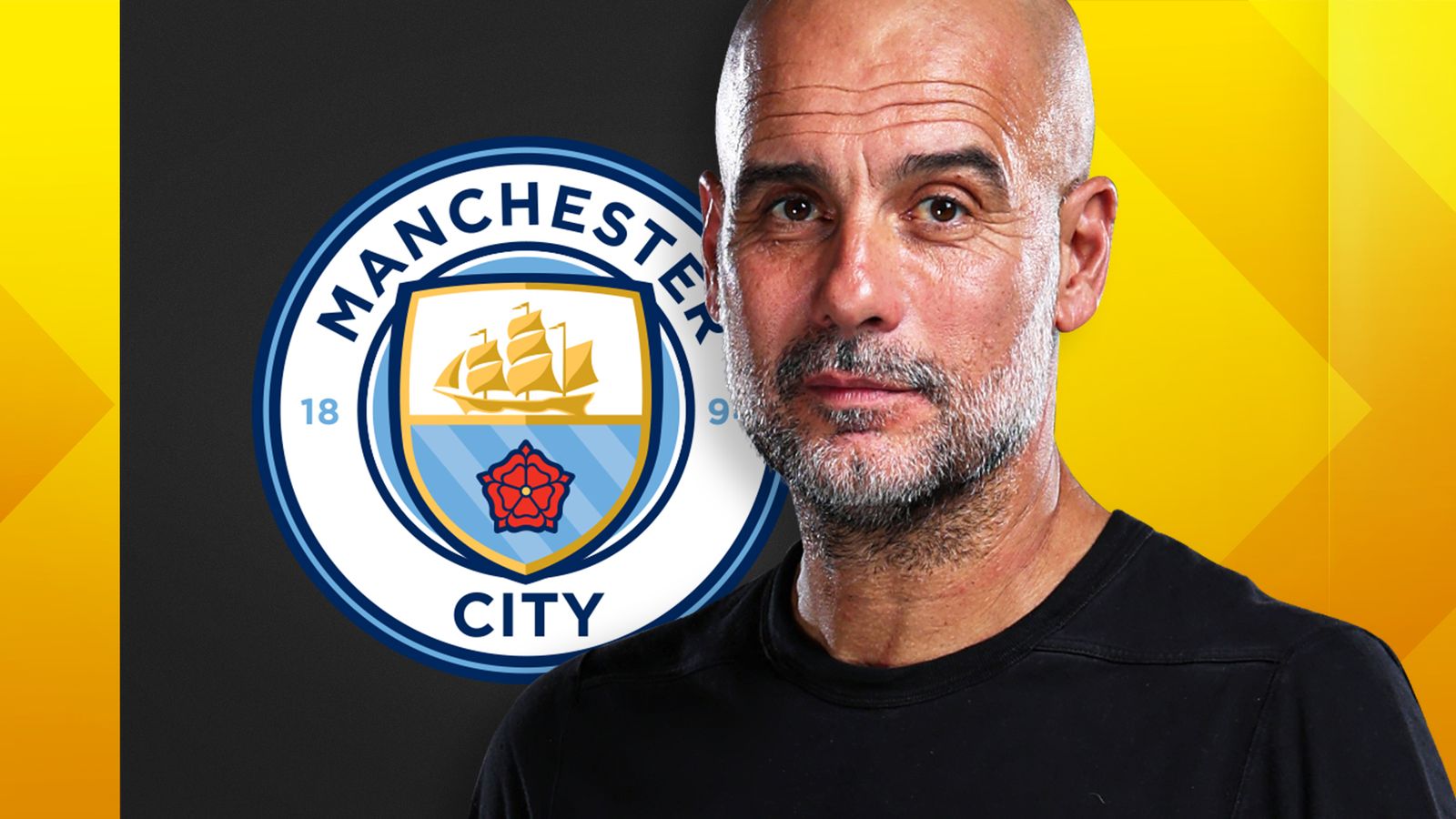
The dynasty has cracked. Pep Guardiola is officially stepping down as Manchester City manager following today's final Premier League match against Aston Villa on May 24, 2026. This is not a tactical pivot or a boardroom dispute, but a case of pure high-performance exhaustion.
After ten grueling seasons of chasing footballing perfection, the most successful manager in modern English football history has run out of fuel. The physical and mental toll of sustaining elite performance has finally forced the Spaniard to walk away. According to a live update from Sky Sports, Guardiola plans to take an immediate, multi-year sabbatical to recover.
This is a retirement forced by the relentless demands of the modern sporting calendar. City must now prepare for a massive rehabilitation project without their mastermind at the helm. Competitors across the Premier League and Europe are already sensing a power vacuum.
The Burnout File: The Physical and Mental Demands of Perfection
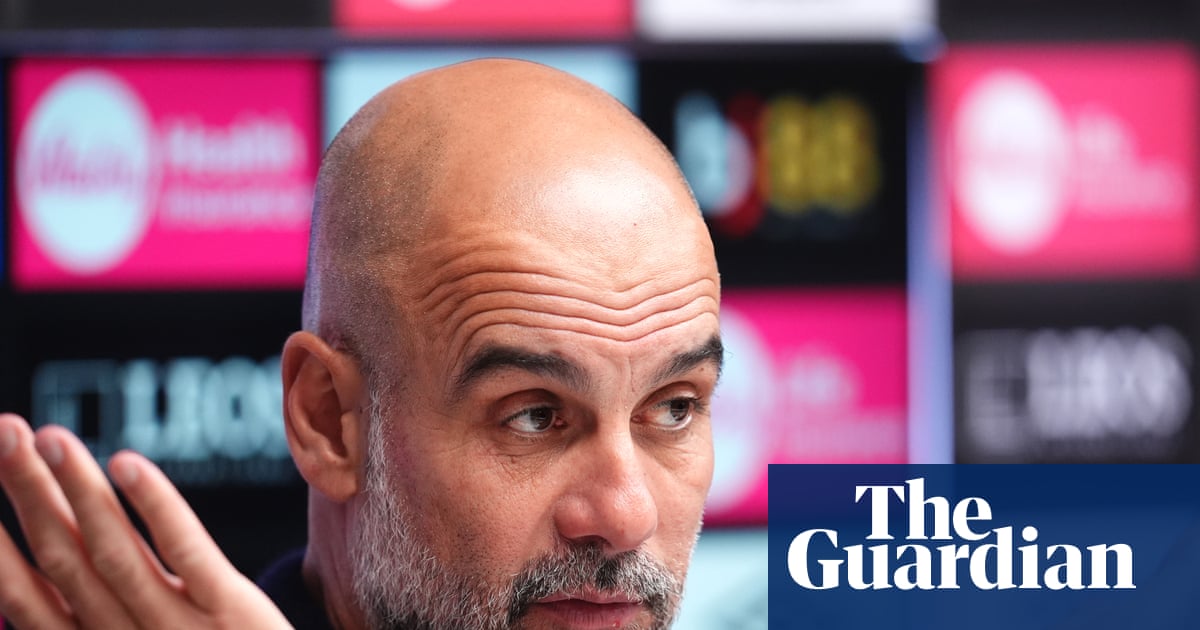
Guardiola did not hide the reasons for his exit. He admitted that the desire to spend time with his aging father and his children was the primary catalyst. In his final press conference, the manager confirmed he has no immediate plans to return to the dugout.
"I stop to rest and go to recover," Guardiola said, highlighting the severe depletion of his personal energy reserves. The Spaniard has spent a decade operating in an emotional pressure cooker. His intense tactical systems require constant cognitive load, not just from the players, but from the coaching staff.
This is not Guardiola's first brush with extreme occupational fatigue. When he walked away from Barcelona in 2012, he cited the same overwhelming tiredness. A similar pattern emerged at Bayern Munich in 2016.
The Etihad pressure cooker is unique. Guardiola has secured 20 trophies during his ten years in Manchester, a relentless pace that leaves no room for physical or mental downtime. His former assistant Enzo Maresca is currently the favorite to succeed him. Maresca, who was sacked by Chelsea in January 2026, knows the system but will inherit a tired, transitioning squad.
The Workload Equation: The Relentless Football Calendar
Modern football does not allow for recovery. The physical demands of the Premier League have pushed managers to their absolute limit. Guardiola's departure is a stark warning about the unsustainable physical toll of the current calendar.
The timing of this departure is particularly brutal for the remaining squad. The Champions League Final is just four days away on May 28, 2026, leaving City players in a state of emotional limbo. Furthermore, the FIFA World Cup kick-off is scheduled in just 18 days on June 11, 2026. Elite athletes are transitioning straight from an exhausting club season into international competition without a single week of true physiological rest.
Squad Attrition: The Exit of Bernardo Silva and John Stones
The physical wear-and-tear is not confined to the technical area. Bernardo Silva and John Stones are also leaving the club after today's clash with Aston Villa. Both players have been honored with mosaics at the City Football Academy, recognizing their decade of contribution.
They leave alongside Phil Foden as the most decorated players in Manchester City history. But their exits represent a massive physical drain on the squad's core. Both players have logged immense mileages under Guardiola's high-intensity system, and their bodies are showing the strain.
Stones arrived in 2016 as Pep's second signing, tasked with redefining the modern center-back role. To play this hybrid role, Stones had to sprint, pivot, and cover vast distances, which led to chronic muscle injuries. Over the past three seasons, his hamstring and calf issues have severely restricted his availability, proving that high-performance excellence has a steep physical price.
Bernardo Silva's physical profile is similarly exhausted. The midfielder is famous for covering over 12 kilometers per match, routinely leading the team in distance covered. That level of cardiovascular exertion over nine seasons has inevitably led to systemic fatigue, making a move away from the high-tempo Premier League a necessity for his longevity.
The Depth Crisis: Who Fills the Physical Void?
The departures of Stones and Silva leave City with a massive athletic deficit. The club must find replacements who can handle the intense physical conditioning required for elite competition.
A new coaching staff must immediately address several critical physical deficiencies:
- Finding a high-end endurance midfielder capable of matching Bernardo Silva’s daily 12-kilometer workload.
- Recruiting a robust, injury-resistant central defender who can handle the hybrid positioning of John Stones without constant muscle tears.
- Implementing a systematic squad recovery program to combat the systemic fatigue of remaining senior players before the World Cup.
- Restructuring the goalkeeper integration process, avoiding the developmental scar tissue left by past ruthless personnel decisions.
Strategic Fallout: The 115 Charges and the Maresca Challenge
The next manager faces a dual challenge of physical rehabilitation and immense off-field stress. The Premier League's investigation into more than 100 alleged financial breaches has remained unresolved for more than three years. This constant legal pressure creates a toxic environment that drains mental energy.
Guardiola has consistently defended the club, but the emotional cost of acting as a shield has clearly contributed to his burnout. A new manager, likely Maresca, will not have the same political capital to deflect these questions. The squad will have to perform under a dark cloud of potential sporting sanctions, adding psychological fatigue to their physical exhaustion.
Maresca’s recent record also raises concerns. His sacking by Chelsea in January 2026 suggests a manager who struggles under intense pressure. Asking him to manage this complex transition seems like a recipe for instability.
Historical Context: The Joe Hart Precedent and Ruthless Evolution
Guardiola’s tenure has always been defined by a ruthless attitude toward physical and tactical evolution. Players who could not meet his precise physical demands were quickly discarded. His biggest regret, as he recently confessed to Sky Sports, was his treatment of former England goalkeeper Joe Hart.
Hart had made 347 appearances and won two Premier League titles before Guardiola arrived in 2016. The Spaniard immediately froze him out, demanding a keeper with superior ball-playing capabilities. Claudio Bravo was brought in, followed by Ederson, leaving Hart’s City career in ruins.
"Sometimes I have to take a decision and sometimes I'm not fair enough," Guardiola confessed. "With time and learning, I regret it."
This rare admission of guilt shows the human cost of Guardiola’s decade-long pursuit of perfection. The same ruthlessness that drove City to the pinnacle of world football has ultimately consumed the manager himself.
The Verdict: The Price of Perpetual Success
Perpetual success is an athletic myth. You cannot run an engine at maximum RPM for ten years without it eventually throwing a rod. Manchester City's unprecedented run under Pep Guardiola has ended not because their tactical ideas failed, but because the human bodies executing them broke down.
The recovery process will be slow and painful. With key players departing and the shadow of the Premier League investigation looming, the post-Guardiola era begins under a cloud of physical and mental exhaustion. The champions must now learn how to breathe again.
Read Next