
The isolation of wealth in professional sports

The quiet isolation of the modern sporting elite
The architecture of professional sports wealth has evolved into a fortress. Looking at the estates owned by figures like Tiger Woods or former Premier League stars reveals a trend toward extreme self-sufficiency. Woods, residing on Jupiter Island, has curated a property that necessitates almost no outside contact. His £41m mansion features a private four-hole golf course and a dedicated boat dock, effectively turning his home into a closed loop.
This is not merely about comfort. It is about creating a buffer between the practitioner and the public. When an athlete builds their own training facility or personal harbour, they are rejecting the traditional engagement with the community that surrounds them. For a golfer whose livelihood depends on focus and seclusion, this makes sense. For a high-contact team sport athlete, it suggests a detachment from the grit that originally defined their career.
The stadium as a psychological barrier
Consider the residence of Carlos Tevez, which functions less as a living space and more as a theme park of his own career achievements. The inclusion of a personal tunnel of fame serves as a literal monument to individual history. In the Premier League, players are socialized within the infrastructure of a club. They operate in training grounds like Carrington or Finch Farm where every need is met, from nutrition to recovery.
Tevez transitioned from the high-pressure environments of Manchester United to the blue side of the city in 2009. His career was defined by constant movement and confrontational energy. However, his private estate reflects a desire for the opposite—a static, controlled environment where he is the sole arbiter of his surroundings. The resort-style swimming pool is a signal of transition, moving away from the competitive intensity required by Sir Alex Ferguson.
The danger of living in a bubble
There is a tactical risk when athletes isolate themselves within these sprawling compounds. Professional development relies on feedback loops. While a private golf course allows for endless repetition, it lacks the variety found on the professional circuit. Similarly, the lifestyle afforded by a £15m yacht is worlds apart from the locker room dynamics that keep players grounded in the reality of their performance statistics.
Critics often point to the decline of veteran players once they accrue this level of private wealth. It becomes harder to maintain the hunger of a prospect when every waking moment is spent in a curated, silent environment. The psychological toll of living like a sovereign state is immense. When everything around you is designed to serve your comfort, the discipline required to undergo a grueling winter training session or a tactical review at the 90th minute begins to erode.
Performance in the shadow of luxury
We see the same pattern in industries like professional wrestling, where performers are tasked with managing their own physical durability. A wrestler like Will Ospreay or a prospect like Callum Newman must decide how to reinvest their earnings. As noted in recent analysis of NJPW booking, the shift toward younger stars implies that longevity is valued over current status. If an athlete spends their capital on creating a shell of a home rather than on their own longevity through recovery specialists, the results show on the clock.
The mansion is the ultimate distraction. It provides safety, but it also creates a vacuum. When an athlete occupies a space designed entirely for their own ego, they lose the ability to accept contradiction. This is a recurring issue in elite sports management. Performance is not a solitary exercise; it is an interrogation of the self by the sport itself. Luxury, when it allows for the evasion of that interrogation, eventually leads to stagnation.
In the final tally, the modern athlete is caught between the need for sanctuary and the need for reality. The mansions we see in tabloid features are monuments to a specific kind of success, but they are also gilded cages. Once the gate closes and the private security locks the perimeter, the professional journey takes an abrupt turn from the arena to the archive.
Behind the Curtain: Footballing Adventures in Eastern Europe by Jonathan Wilson
A deep dive into the culture and passion of football beyond the big leagues.
Frequently Asked Questions
How does Tiger Woods' property reflect his need for isolation?
Why do athletes build private training facilities?
What is the psychological impact of living in a private estate?
How did Carlos Tevez's home reflect his career transition?
What is the risk of athletes living in a wealthy bubble?
More Coverage
More Analysis
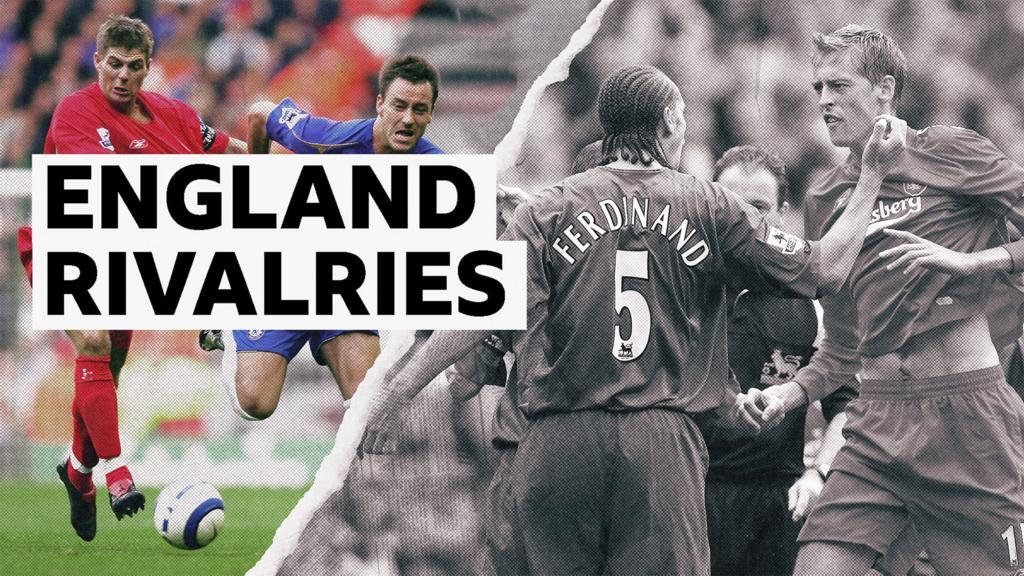
The 2006 England squad was broken before they ever reached Germany
1 week, 3 days ago
A former Chelsea star's radical pivot to monastic life exposes football's void
1 month, 2 weeks ago
Why the world's elite athletes are trading sweat for the chessboard
2 months, 1 week ago
Ronaldinho's new documentary exposes the tragedy behind the smile
1 month, 1 week ago