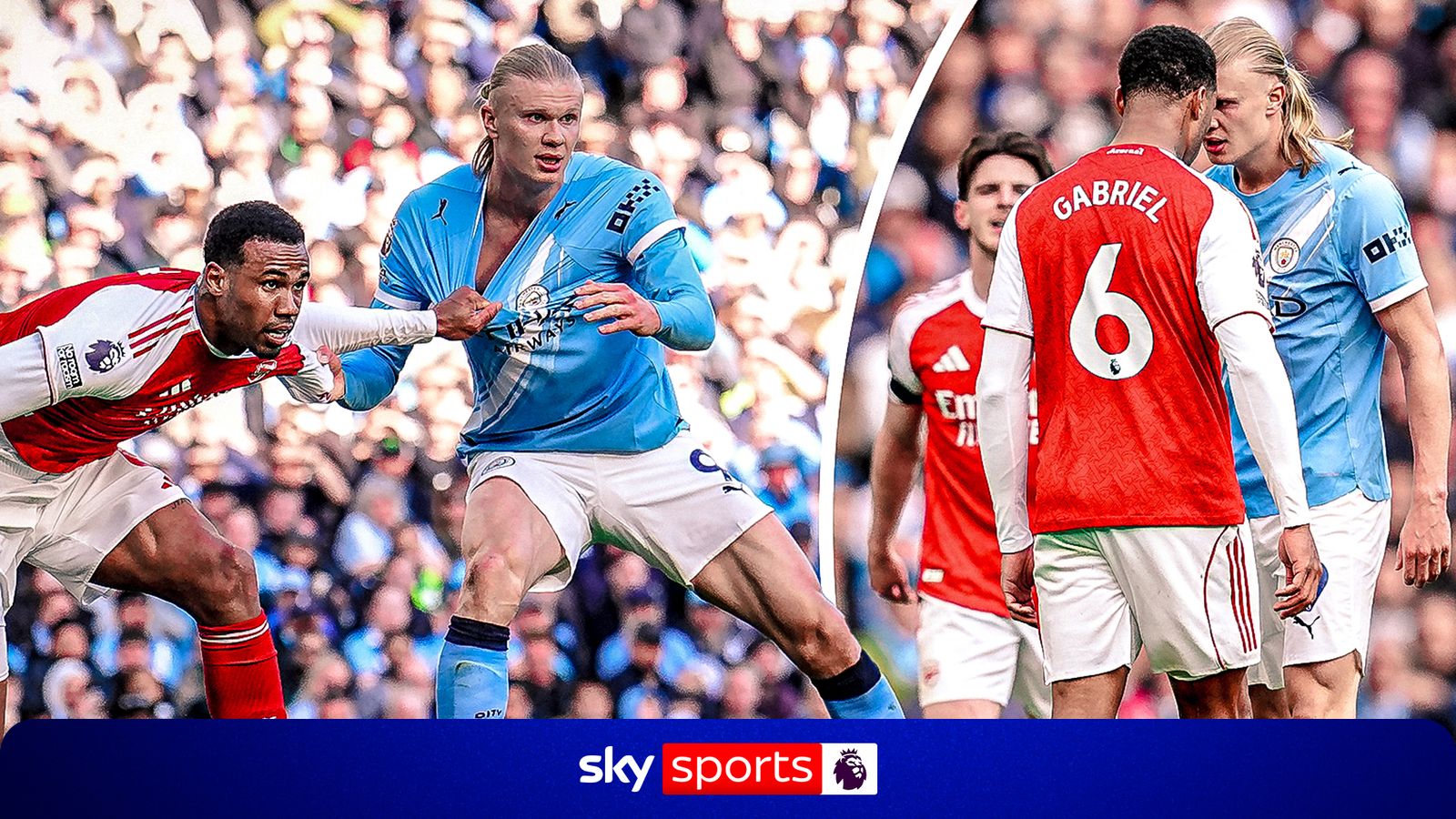
Why the world's elite athletes are trading sweat for the chessboard

The quiet revolution in the locker room
Walk into a modern top-flight dressing room an hour before kickoff, and you might expect to see players glued to their phones, scrolling through social media or listening to high-tempo playlists to get the blood pumping. Increasingly, however, you are just as likely to find a quiet corner occupied by two titans of industry hunched over a board, locked in a silent, intellectual war. The rise of chess among elite athletes is not merely a passing fad; it is a fundamental shift in how the modern competitor prepares their mind for the chaos of the arena.
From the explosive pace of Erling Haaland to the towering, cerebral presence of Victor Wembanyama, the world’s most dominant physical specimens are finding solace—and tactical sharpening—in the 64 squares. It is a peculiar irony that in an age of hyper-athleticism and data-driven training, the most effective tool for improvement is a 1,500-year-old game that requires almost zero physical movement.
The architecture of the mind
Why is chess capturing the imagination of players like Eberechi Eze? The answer lies in the concept of pattern recognition. On a football pitch, a player has a fraction of a second to process the positioning of twenty-one other moving objects. They must anticipate the movement of a teammate, the closing speed of a defender, and the trajectory of a ball, all while maintaining their own structural integrity within the team’s tactical framework.
Chess functions as a high-density simulator for this exact process. Every move on the board is a commitment to a future state, forcing the player to calculate consequences several steps ahead. When Haaland scans the defensive line, he is effectively running a chess algorithm in real-time, identifying the 'weak square' in the opposition’s back four before the ball even arrives at his feet.
The board doesn't lie. In a sport where referees can make mistakes and luck plays a factor, chess is the ultimate arbiter of truth. If you lose, it is because you made a tactical error or failed to see the threat. There is nowhere to hide.
Beyond the physical ceiling
For athletes like Victor Wembanyama, whose physical gifts are already at the outer limits of human possibility, the game is won or lost in the margins of decision-making. The NBA star has often spoken about the importance of 'slowing the game down' in his mind. By engaging in deep, analytical study, these athletes are training their brains to remain calm under extreme pressure.
It is about emotional regulation as much as it is about strategy. When a player is down a piece in a game of blitz chess, they have to suppress the urge to panic and instead search for a counter-play. That specific mental discipline is directly transferable to the final ten minutes of a cup final, where a goal down and legs burning, a player must resist the urge to play 'hero ball' and instead execute the tactical plan.
A new kind of locker room culture
The rise of chess culture is also changing the social dynamic of teams. It creates a space for intellectual competition that isn't predicated on who can jump higher or run faster. It allows a squad to bond over shared problem-solving. We are seeing a generation of athletes who are more self-aware, more interested in cognitive development, and less concerned with the traditional 'macho' posturing that once dominated professional sports.
- Erling Haaland: Uses chess to maintain focus during travel and downtime.
- Victor Wembanyama: Views the game as a way to sharpen his spatial awareness on the court.
- Eberechi Eze: Credits the game with helping him remain patient when waiting for the perfect pass.
This shift isn't just about the players, either. Coaches are beginning to embrace the idea that a healthy brain is just as important as a healthy hamstring. Some clubs have even begun incorporating cognitive training exercises that mirror the logic of chess, aiming to improve the 'processing speed' of their squads during high-intensity moments.
The limitations of the board
Of course, we must be careful not to overstate the connection. Being a Grandmaster does not make you a world-class striker, and being a world-class striker does not mean you understand the intricacies of the Sicilian Defense. There is a danger in romanticizing the intellect of athletes to the point where we ignore the raw, visceral instinct that makes them great in the first place.
However, the trend is undeniable. When the most successful individuals in sports consistently gravitate toward a specific mental exercise, it is worth paying attention. These athletes are searching for a competitive edge in every possible dimension, and they have realized that the most important muscle to train is the one inside their skull.
The future of the competitive athlete
As we look toward the next decade of professional sports, we can expect this intersection between strategy games and physical performance to deepen. We might soon see 'mental performance coaches' who are essentially chess masters, brought in to help players navigate the psychological minefields of professional competition. The game is changing, and the players are evolving with it.
Ultimately, the obsession with chess speaks to a desire for control. In a world where an athlete’s career can be derailed by a single tackle or a bad transfer, the board offers a domain where they are the sole masters of their destiny. It is a sanctuary of logic, a playground for the imagination, and perhaps the secret weapon of the next generation of sporting icons.
The Soccer 100: The Story of the Greatest Players in History
The ultimate GOAT debate settler from The Athletic.
Frequently Asked Questions
Why are elite athletes playing chess?
How does chess help football players on the pitch?
What is the connection between chess and emotional regulation?
Why do athletes like Victor Wembanyama use chess for training?
What makes chess a unique tool for professional competitors?
More Coverage

Top 10: Defining Football Moments of the 2025-26 Season
3 hours ago
Top 10: The Defining Moments of the 2025/26 English Football Season
4 hours ago
The post-football career pivot is the smartest move a veteran can make
10 hours ago
Top 10: The Most Audacious Moments in Modern Football
12 hours ago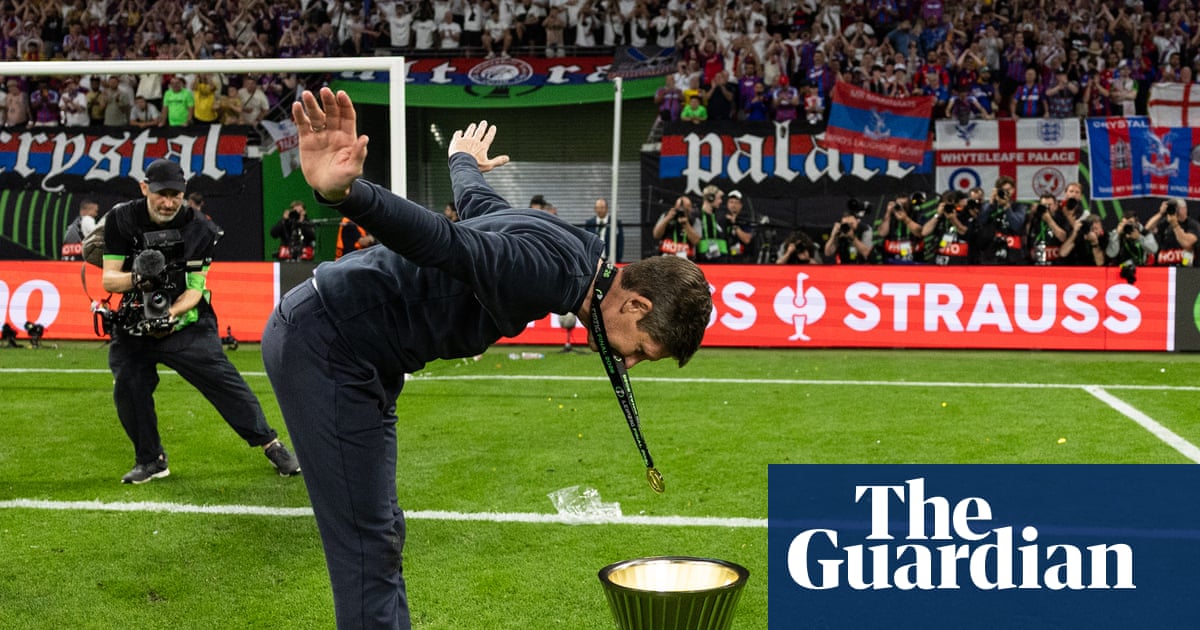
Crystal Palace's unlikely European title exposes the modern speed gap
13 hours ago
Bernardo Silva is effectively a cheat code on a free transfer
18 hours agoMore Match Reports

Why the race for quantum supremacy is the final frontier of sports science
2 months, 1 week ago
Manchester City and Real Madrid are about to break the Champions League again
1 month, 1 week ago
Arteta and Guardiola are playing a dangerous game of chess
1 month, 1 week ago
Haaland's drop reveals a tactical shift at Man City
1 month, 1 week ago
Andoni Iraola is doing the impossible on the south coast
2 weeks, 1 day ago