The Terminal Diagnosis of the Golden Generation
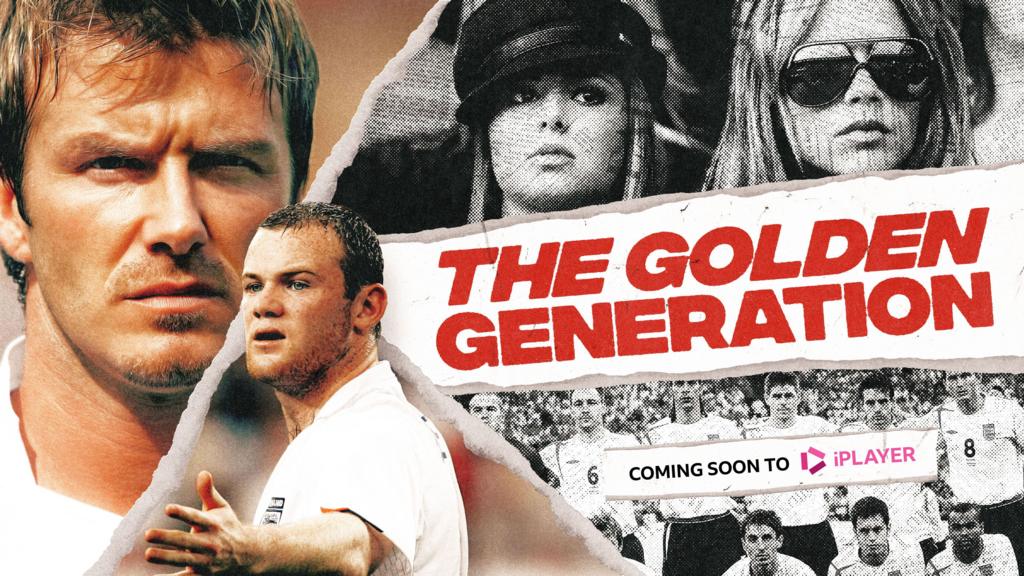
The BBC has ripped the bandages off a twenty-year-old wound. A new retrospective featuring former England players and coaching staff finally addresses the blunt truth about the 2006 World Cup. The primary cause of death for the so-called Golden Generation was a severe lack of squad cohesion.
They suffered from the chronic disease of "fake relationships" driven by intense Premier League rivalries. For those of us who track squad fitness, injury isn't always physical. A fractured dressing room is just as debilitating as a torn ACL, and significantly harder to rehabilitate.
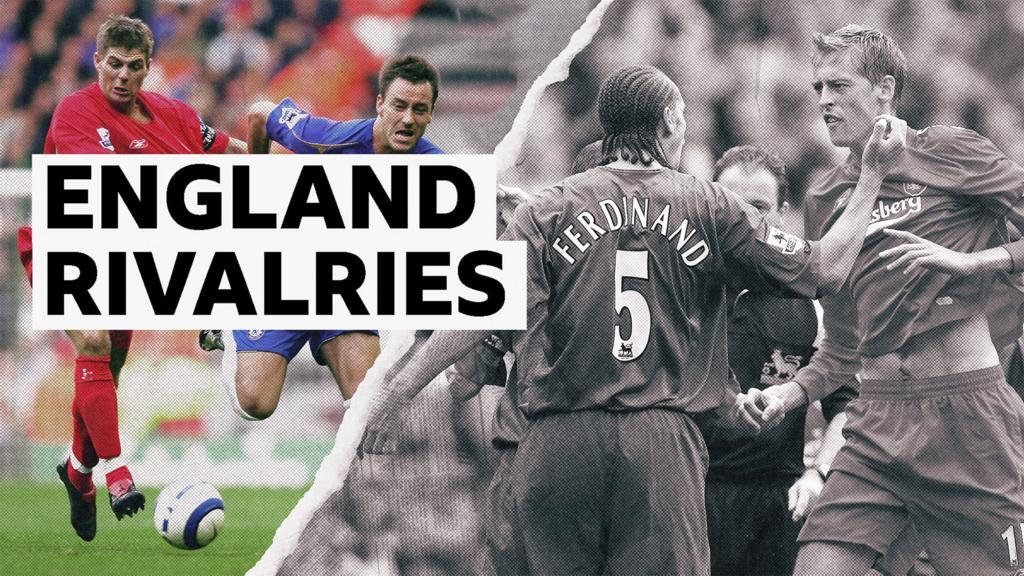
This was a repetitive strain injury developed over a grueling domestic calendar. In the mid-2000s, the Premier League operated at peak hostility. Manchester United, Arsenal, Chelsea, and Liverpool were engaged in brutal, zero-sum warfare every single weekend.
Players spent ten months of the year trying to physically and mentally break each other. Then, in late May, they were ordered to act like a unified family under manager Sven-Göran Eriksson. The BBC's latest reflections confirm what analysts suspected. The camaraderie in the England camp was entirely superficial.
The Tactical Cost of Club Tribalism
Trust is the absolute baseline metric of a functional football team. When trust degrades, the tactical structure collapses immediately. The infamous inability of Steven Gerrard and Frank Lampard to operate as a functional midfield duo was not a mere tactical oversight. It was the direct byproduct of a deep-seated inability to defer to a domestic rival.
Both men were absolute alphas at Liverpool and Chelsea, respectively. Neither was willing to sacrifice their natural attacking instincts to sit deep and protect the other player. The sheer stubbornness to accommodate both men had already driven Paul Scholes into early international retirement two years prior.
By 2006, Eriksson was still forcing a broken system. The midfield played with a tactical setup that essentially mirrored a torn ligament. They were completely unable to pivot, cover ground, or communicate effectively under pressure.
Symptoms in the Canteen and on the Pitch
The tribalism heavily infected the daily routines of the squad off the pitch. Historical accounts confirm that the England dining room was strictly segregated. Manchester United players claimed one table. The Chelsea contingent dominated another. Liverpool players formed their own isolated clique.
When players refuse to interact at breakfast, they do not suddenly look for each other in the 89th minute of a knockout match. The "fake relationships" the BBC highlights were nothing more than polite nods in hotel corridors. There was no authentic bond or shared vulnerability.
They were a collection of highly paid athletes wearing the same shirt out of strict contractual obligation. The impact of this psychological fracture crippled their 2006 campaign from the very start. England laboured miserably through a highly beatable group stage.
They secured a narrow 1-0 win against Paraguay courtesy of a Carlos Gamarra own goal. They scraped a late, desperate victory over Trinidad and Tobago. They managed a disjointed 2-2 draw with Sweden, throwing away a lead in the dying moments. The team looked heavy, lethargic, and completely devoid of joy.
The Breaking Point in Gelsenkirchen
The terminal breakdown finally occurred on July 1, 2006, in Gelsenkirchen. The quarter-final against Portugal remains a perfect case study in total self-destruction. Wayne Rooney received a red card for stamping on Ricardo Carvalho.
It was a moment of sheer petulance born from exhaustion, but the ensuing chaos revealed the true state of the squad. Cristiano Ronaldo famously winked at the Portuguese bench after helping get his Manchester United teammate sent off.
Portugal weaponized their connections to advance. England simply imploded under the pressure. Down to ten men, they battled to a scoreless draw after extra time. Then came the inevitable penalty shootout failure.
Lampard, Gerrard, and Jamie Carragher all missed from the spot. England lost 3-1 on penalties. The autopsy of that defeat often focuses on the sheer lottery of spot-kicks and tired legs. The reality is far more damning. They failed because the structural foundation of the team was entirely rotten.
Comparative Rehabilitation: Spain in 2010
Contrast this miserable failure with other international setups from the exact same era. Spain's "Golden Generation" faced an identical structural problem. The rivalry between Real Madrid and Barcelona between 2008 and 2012 was arguably more venomous than anything seen in the Premier League.
El Clasico fixtures routinely devolved into violent physical brawls. Yet, when the Spanish national team convened, players like Iker Casillas and Xavi Hernandez violently intervened. They recognized the toxic strain and actively rehabilitated their dressing room.
They forced integration and demanded mutual respect. They built genuine relationships that superseded their domestic hatred. As a direct result, Spain won two consecutive European Championships and the 2010 World Cup.
England lacked that internal medical staff. They had absolutely zero psychological leadership to stitch the dressing room back together. The failure to manage squad chemistry falls heavily on the coaching staff.
Eriksson was entirely too passive. He treated the players like finished products rather than fragile components of a machine that required constant maintenance. By ignoring the psychological strain on his squad, Eriksson effectively sent an injured team into a major tournament.
Looking Ahead to the 2026 World Cup
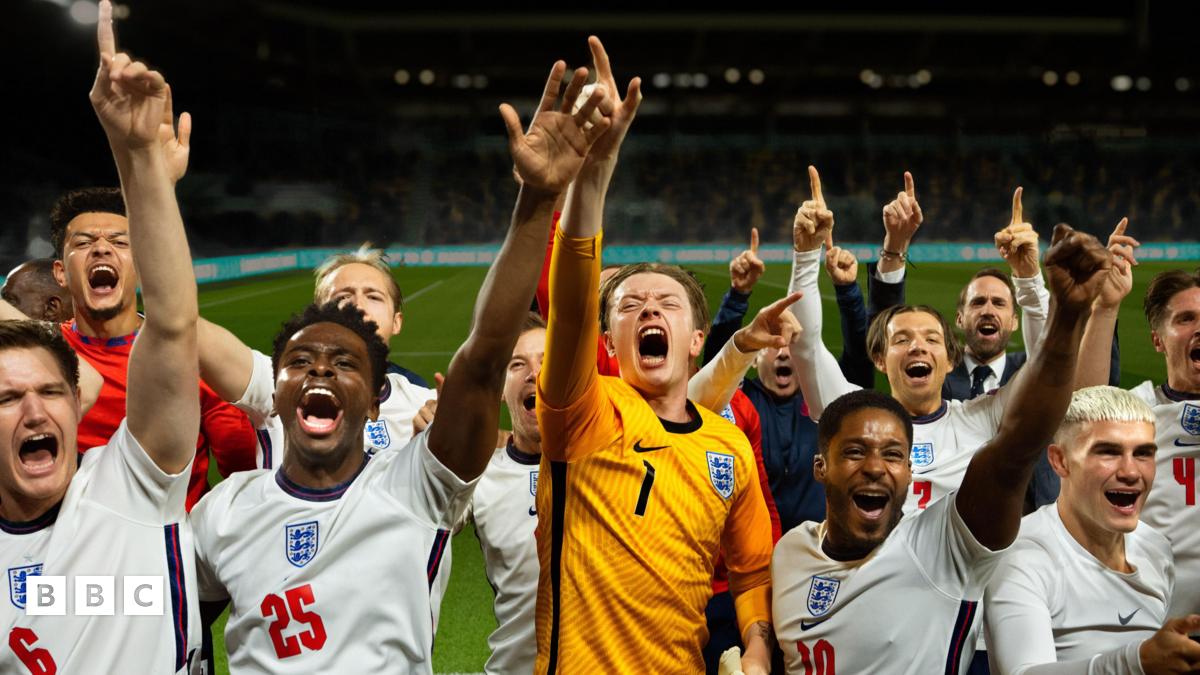
As we look forward, the lessons of 2006 remain highly relevant. We are exactly 23 days away from the kickoff of the 2026 FIFA World Cup on June 11. The modern England setup has worked obsessively to eradicate the club tribalism of the past.
Recent managers have prioritized squad harmony, sometimes at the direct expense of raw individual talent. Selecting players who fit the dressing room culture is now viewed as a mandatory fitness requirement. The toxic atmosphere of 2006 serves as the ultimate cautionary tale.
The current generation seems to genuinely enjoy playing together, passing the psychological fitness tests that the Golden Generation spectacularly failed. However, the threat of mental fatigue and fractured relationships is never fully eliminated.
The domestic calendar is vastly more congested today than it was twenty years ago. Players are operating at the absolute limit of human endurance. When severe physical exhaustion sets in, emotional control is the very first thing to degrade.
A bad tackle in a late-season title decider can easily bleed into an international camp. The BBC's decision to revisit the 2006 squad's "fake relationships" serves as a timely warning. Talent alone simply does not win international tournaments.
As national teams finalize their preparations for the expanded 48-team tournament in the USA, Canada, and Mexico, every manager should be studying the failure of that England squad. You can analyze GPS data and monitor heart rates all you want.
You can optimize diets, mandate ice baths, and track sleep cycles to the minute. But if your two best midfielders refuse to communicate because of a petty spat at Anfield three months prior, your tournament is already over.
The 2006 England squad wasn't just beaten on the pitch. They were fundamentally broken from the inside out before the plane ever landed in Germany.
Read Next
- Top 10: Defining Football Moments of the 2025/26 Season So Far
- Top 10: The Greatest Moments in Football History
- Reece James faces World Cup heartbreak after devastating hamstring setback
- Arsenal's £80m push for Sandro Tonali is a massive tactical gamble
- 🏴 England World Cup 2026 — Three Lions Hub
- 🇩🇪 Germany World Cup 2026 — Die Mannschaft Hub