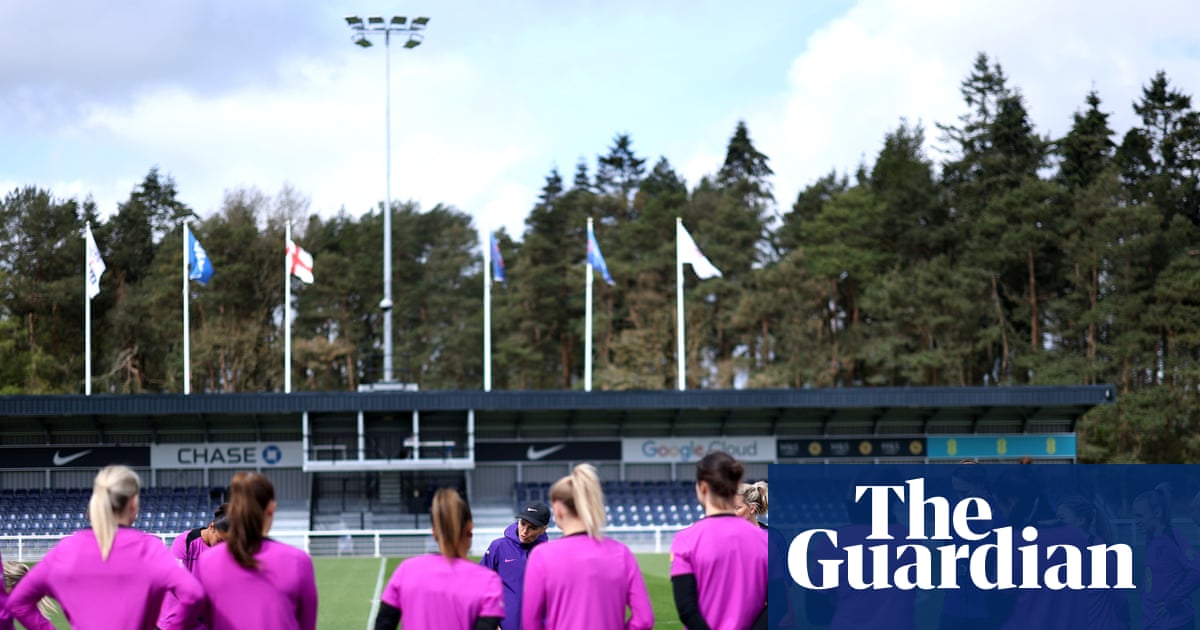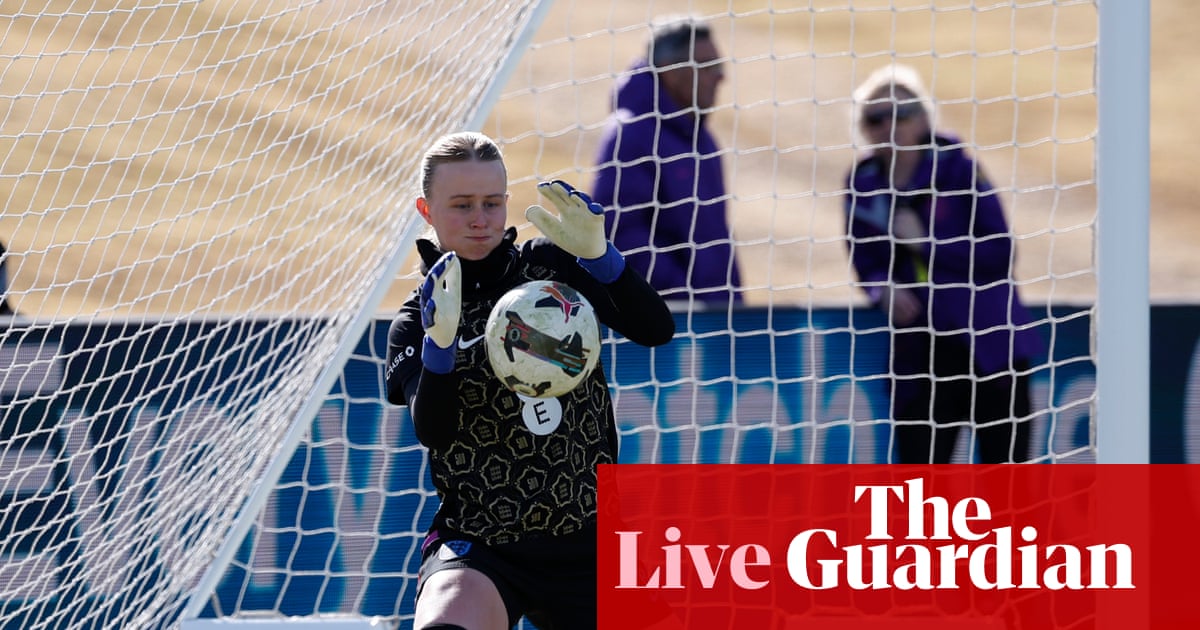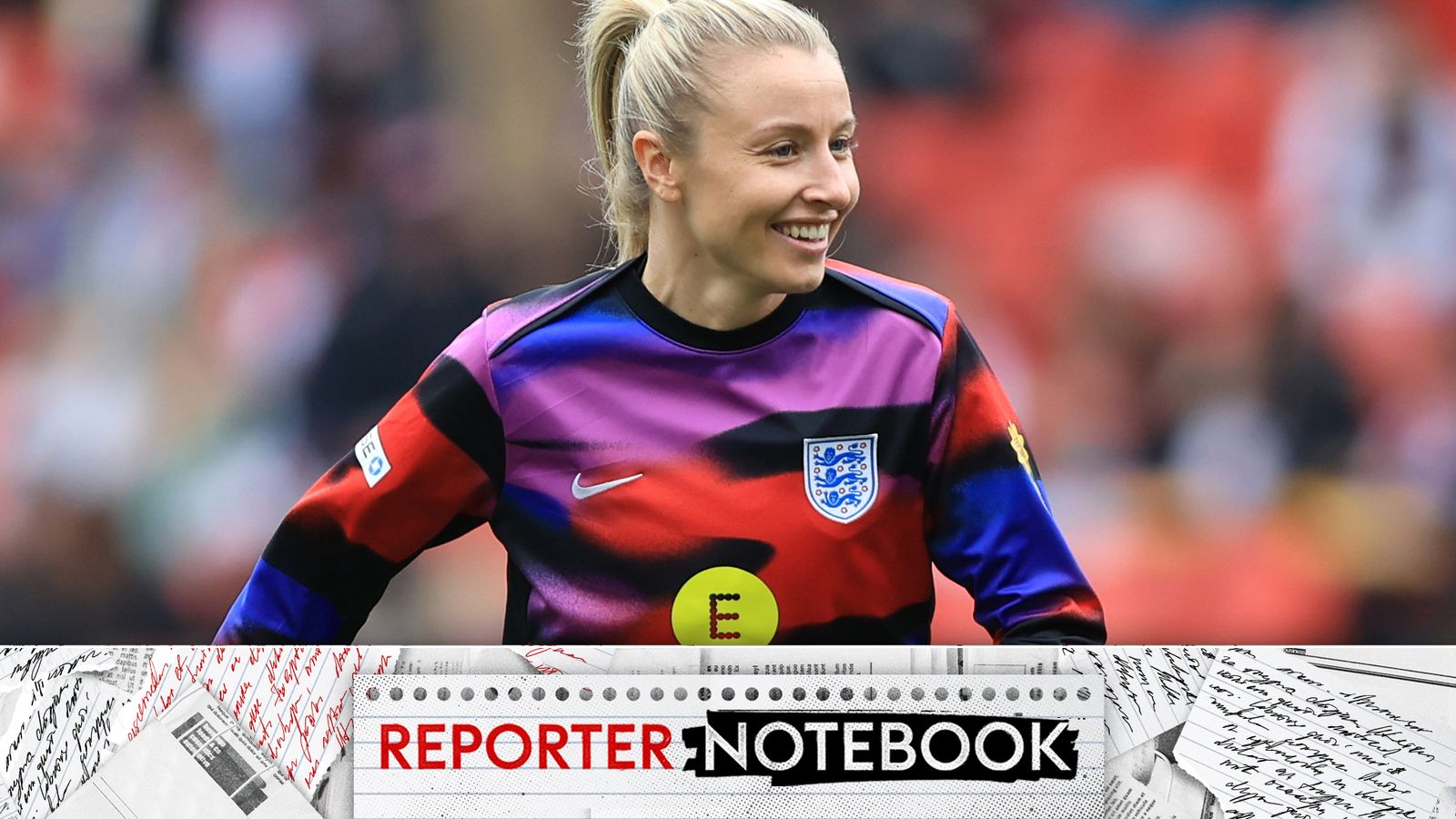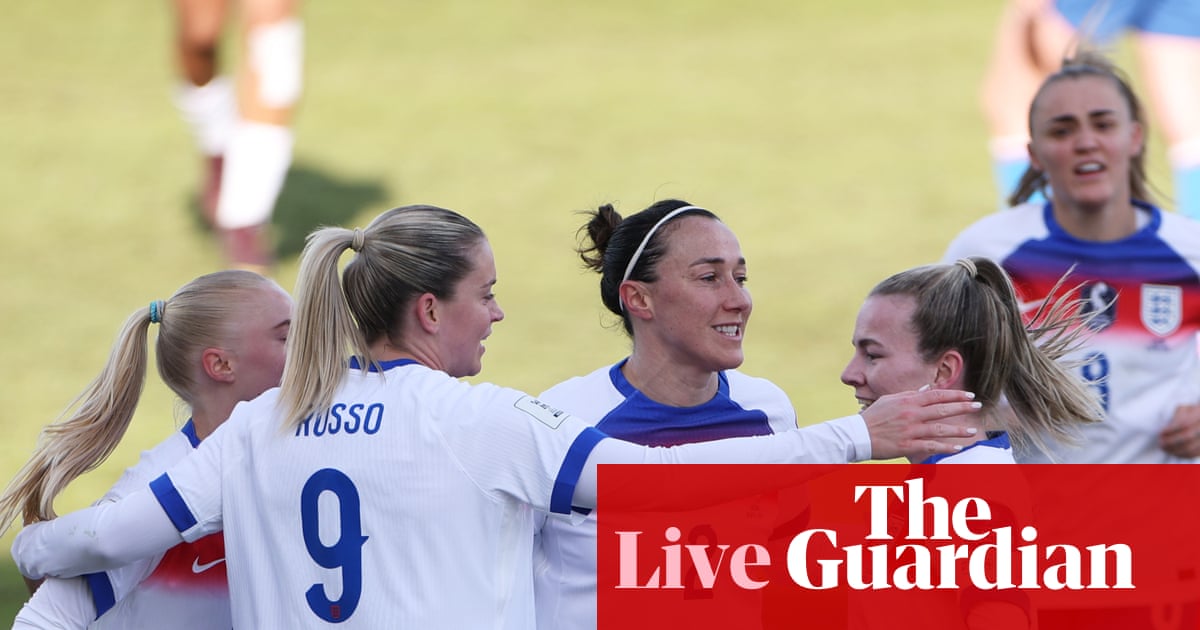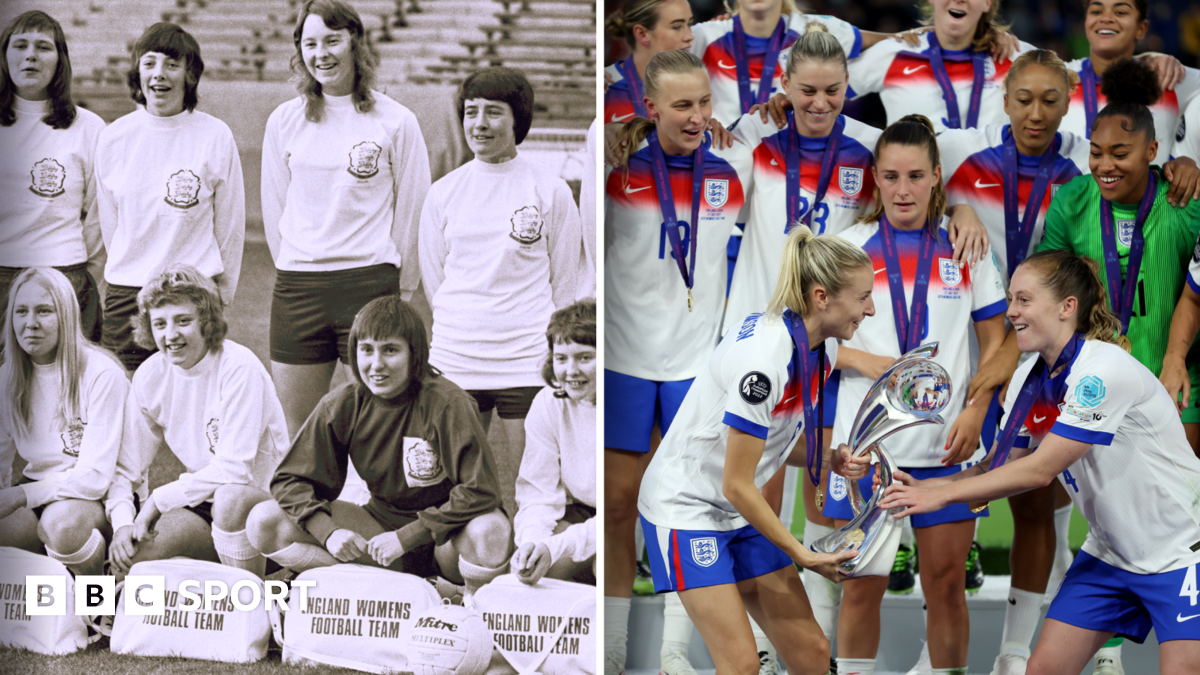
When the England women's national team takes the pitch this weekend for their 500th official fixture, the pre-match build-up will carry heavy historical weight. For a footballing nation of England's stature, 500 matches shouldn't be a modern milestone. It should be a relic of the past. But the Lionesses' timeline is fractured, broken by a 50-year ban imposed by the very association they now represent.
A recent retrospective published by BBC Sport detailed the 11 defining moments that carried England from that disgraceful 1921 ban to their current status as back-to-back European Champions. The milestone naturally pushes the conversation away from tactical nuances and into the broader scope of what it took to get here. The current squad operates in a completely different universe than their predecessors. Yet, they are acutely aware that their reality is built on the defiance of women who were told they didn't belong.
The shadow of the 50-year ban
The unignorable elephant in the room whenever England women's history is discussed is the FA's 1921 ruling. Just as women's football was drawing massive crowds—most notably the legendary Dick, Kerr Ladies, who were pulling in tens of thousands of spectators—the governing body shut it down. They deemed the game quite unsuitable for females and banned women from playing on FA-affiliated grounds. It effectively killed the sport's momentum in the UK for half a century.
The current generation of players knows exactly what was stolen from those lost decades. The crowds and the grassroots foundations that existed in the 1920s were wiped out overnight. When the FA finally relented and the women played their first official game in 1972 against Scotland, they had to rebuild from absolute zero.
That first match in Greenock, where Sylvia Gore scored England's first official goal, was played on a heavy, freezing pitch in front of a modest crowd. There was no media fanfare. The FA's support was begrudging at best. The players were effectively amateurs playing for the love of a game that hadn't loved them back. They laid the groundwork for players who wouldn't be born for another twenty years.
The slow crawl to professionalism
The journey from Greenock in 1972 to the central contracts of 2009 was agonizingly slow. For years, the national team operated on a shoestring budget. Players were working full-time jobs, paying for their own travel, and taking unpaid leave to represent their country. It is a stark contrast to the pampered reality of the modern men's game.
The transition period during the late 1990s and 2000s required immense friction. Hope Powell took charge in 1998 and spent 15 years dragging the setup into the modern age. She fought for central contracts, which finally arrived in 2009. That deal gave a core group of players a basic salary of £16,000 a year. It seems laughable now, but it was revolutionary at the time.
This is the critical observation that often gets lost in the shiny, PR-managed version of the Lionesses' rise. The FA didn't lead the charge for women's football out of some sudden moral awakening. They were dragged into the 21st century by players and coaches who refused to accept second-class status. The establishment only embraced the women's game when it became commercially viable and socially unacceptable to ignore it any longer.
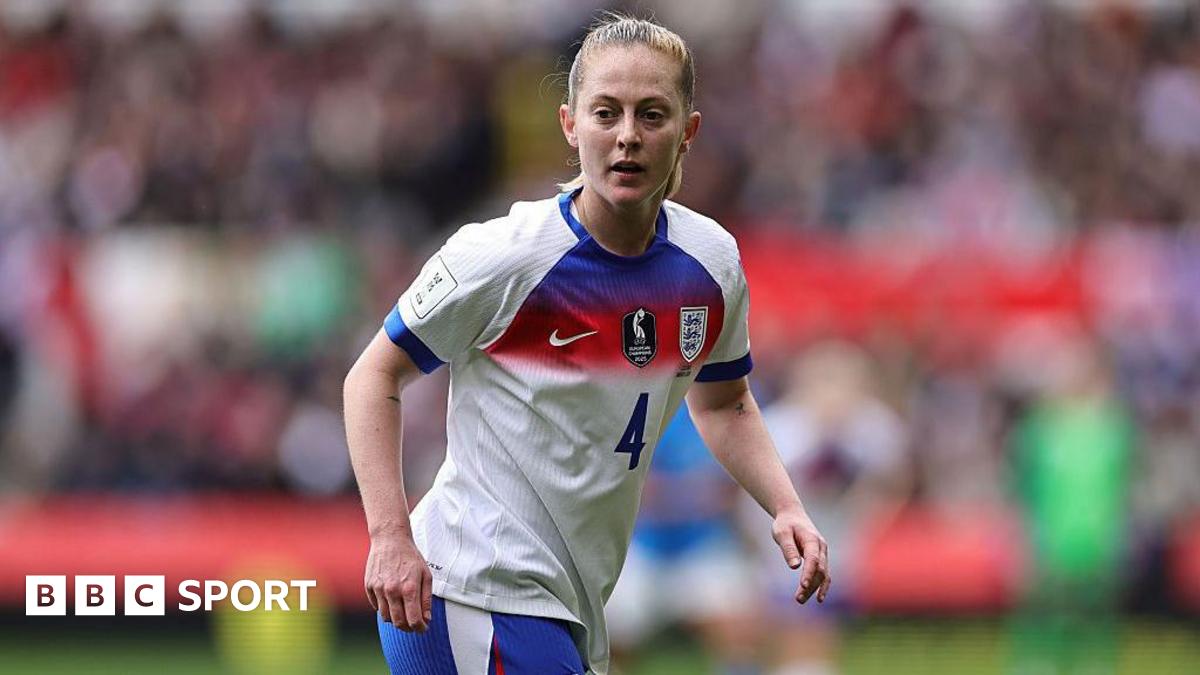
The tactical identity of women's football in England shifted in tandem with these financial victories. During the dark years, the English style was brutally direct—a byproduct of poor pitches and limited technical training. Today, players like Keira Walsh orchestrate from the base of midfield with the precision of a metronome, dictating tempo against the best pressing sides in the world. It is a technical evolution that perfectly mirrors the massive financial investment in the domestic Women's Super League over the last five years.
Breaking the semi-final curse
As the resources slowly improved, the expectations shifted. By the mid-2010s, England were no longer just making up the numbers at major tournaments. They were genuine contenders. But they developed a crippling habit of falling short when it mattered most.
The 2015 World Cup semi-final defeat to Japan, courtesy of a devastating 92nd minute Laura Bassett own goal, was the start of a traumatic run. They lost in the semi-finals of Euro 2017 to the Netherlands, and then suffered another agonizing semi-final exit at the 2019 World Cup against the United States.
They were the nearly-women of international football. Good, but not quite good enough. Plucky, but lacking the killer instinct required to actually lift a trophy.
Wiegman's arrival changed that calculus entirely. She didn't just overhaul the squad; she rewired their mentality. The Dutch coach brought a ruthless pragmatism to a setup that had previously relied too heavily on emotion and grit.
She systematically removed the hesitation that plagued the team in the biggest moments. She instilled a belief that they didn't just belong on the pitch with the best, but that they were the best.
That mentality shift culminated in the summer of 2022. The European Championship on home soil ended with a 2-1 victory over Germany at Wembley, sealed by Chloe Kelly's extra-time winner. It wasn't just a trophy. It was an exorcism of decades of frustration.
The new standard and the cracks beneath
The success of 2022 could have been the peak. Many international sides suffer a severe hangover after finally reaching the mountaintop. But England simply reloaded.
The BBC rightly highlights their recent status as double European winners—securing back-to-back continental dominance—as the defining achievement of this current era. They are no longer a fun, underdog story for the casual fan. They are the target on everyone's back.
Yet, even now, there are structural cracks if you look closely. Wiegman has occasionally been overly rigid with her starting selections. She relies heavily on trusted veterans while exciting young domestic talent sits isolated on the bench.
The recent struggles to break down low-block defenses in away qualifiers show that the Lionesses are not invincible. Opponents have figured out that if you physically disrupt their midfield pivot, the attacking machinery can stutter. Wiegman's extreme loyalty to her core group is her greatest strength, but it borders on stubbornness when Plan A fails to break a tight deadlock.
This weekend's 500th fixture is a chance to pause and reflect, but only briefly. The camp has no interest in turning the current window into a museum exhibit. They have a match to win, and the expectation is nothing short of clinical execution.
The Lionesses have evolved from a banned, marginalized group to a national treasure with unrivaled commercial pulling power. The first 500 games were fundamentally about surviving and fighting for the right to exist in a hostile sporting environment.
The next 500 are about pure, unapologetic domination. They aren't asking the FA for permission anymore. They are setting the rules, dictating the terms, and daring the rest of the world to keep up.