The Dutch tactical collapse that everyone saw coming
If you thought the Netherlands would walk Group F, you probably haven't been watching them play lately. Watching the Dutch stumble into a draw against Japan in Dallas felt like watching a slow-motion car wreck that everyone knew was coming. As recent predictions suggested, these teams were billed as dark horses, but they looked more like two heavyweights trading haymakers with their eyes closed.
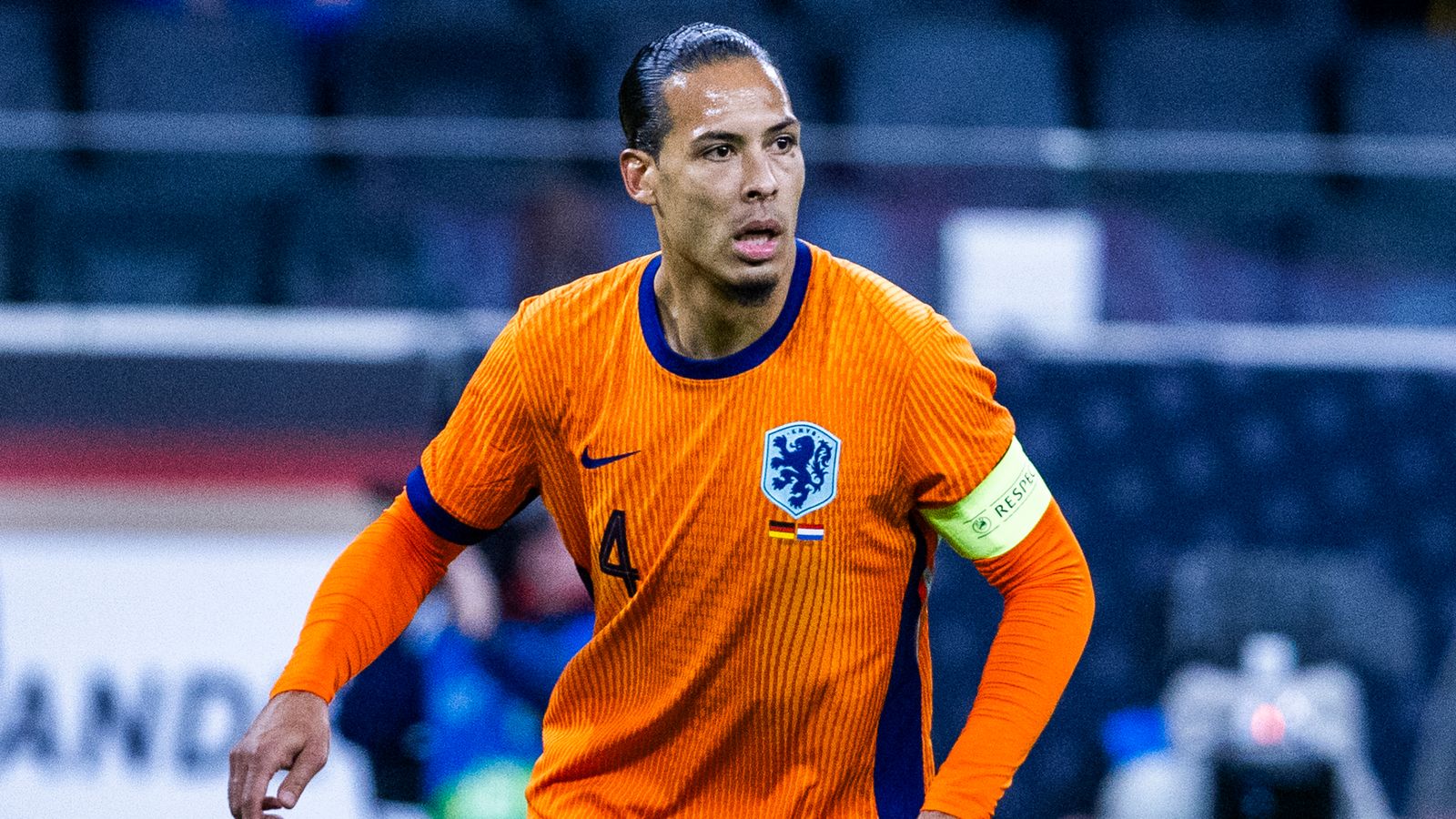
Virgil van Dijk opened the account, playing the hero role, but the celebration was short-lived. It is honestly exhausting watching the same defensive lapses repeat themselves at the highest level. You can blame the manager, the fatigue, or the heat, but the truth is usually uglier than the excuses.
The Van Dijk discourse is hitting toxic levels
The post-match chatter is absolutely radioactive, specifically surrounding the Dutch captain. Rafael van der Vaart didn't pull any punches, reportedly savaging the Liverpool star for his lack of intensity and waning physicality. It’s one thing to get beat by a pacey winger, but watching him struggle to organize the line late in the game was rough stuff.
Some fans are already claiming he’s finished at the top level. As reported by Football365, there is a strong sentiment that the team is essentially doing a poor impression of a struggling club side. The logic follows that when his recovery pace fails, the entire house of cards collapses instantly.
"We saw the best of Virgil van Dijk but mainly his waning physicality as the Netherlands did an excellent Liverpool impression in their draw with Japan."
The contrarians in the group threads are pointing out that the midfield was the real problem. If you leave your center-backs exposed like that for 90 minutes, even prime Maldini would look like he’s playing in concrete boots. Japan’s late pressure wasn't just luck; it was a tactical demolition of a midfield that decided tracking runners was optional.
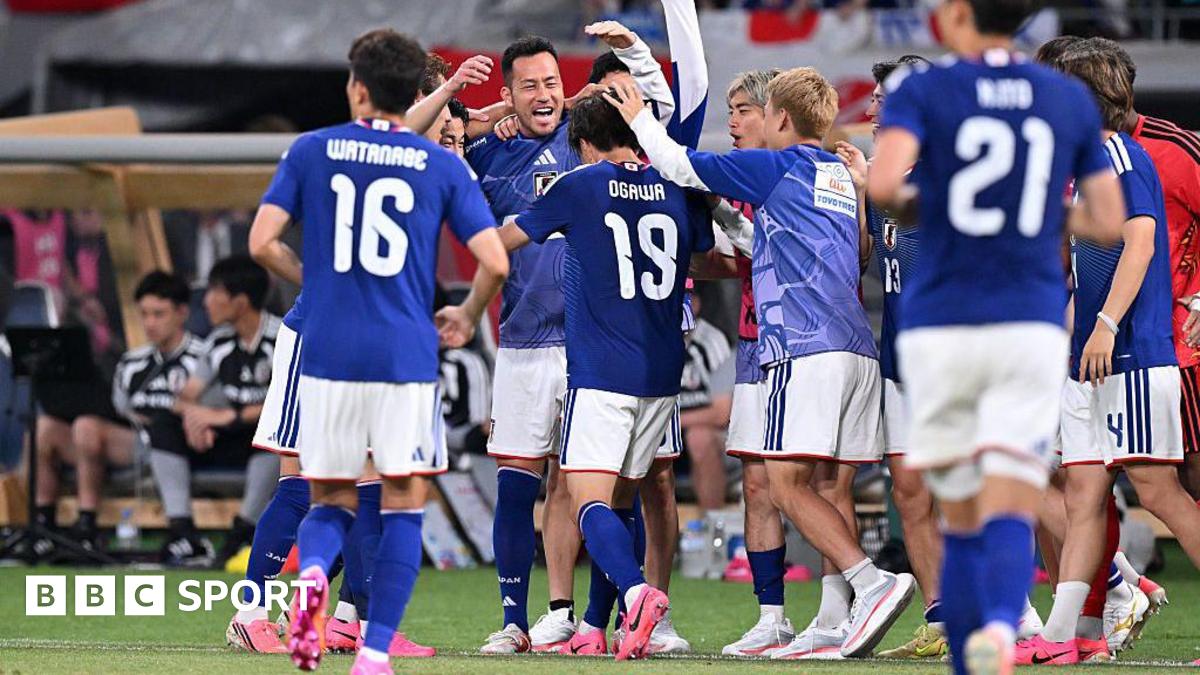
Japan earns every bit of that late point
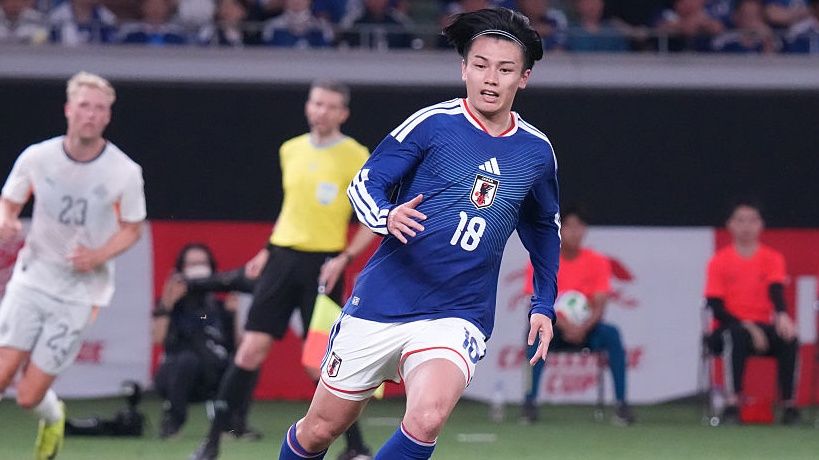
On the flip side, the Japan supporters are absolutely buzzing. Watching Nakamura curl that strike in was a masterclass in exploiting space, and Kamada’s header in the 89th minute to salvage the draw showed exactly why this team is a nightmare group stage opponent. They didn't just hang on; they pushed, probed, and frankly deserved the point more than Ronald Koeman’s side did.
The skepticism from the Dutch camp is high, and for good reason, but credit where it's due for the Japanese squad. They played with a level of grit that made the Dutch look fragile. Here is a look at the prevailing sentiment currently tearing up the comment sections:
- The "Van Dijk Is Washed" crowd: Pointing to his slow pivot on the Nakamura goal as proof his era is over.
- The "Tactical Naivety" camp: Blaming Koeman for letting Gakpo and Summerville drift too far wide, leaving the middle wide open for Japan's transition game.
- The "Japan Are Legit" believers: Arguing that keeping pace with a squad like the Netherlands proves Asia is finally closing the tactical gap with Europe.
Which side of the argument holds water?
If you look at how the action unfolded, it is hard not to side with the skeptics. You have a team with world-class talent that looks functionally broken under pressure. When your lead player gets called out by a national hero like Van der Vaart, you know the vibes are fundamentally off.
The argument that Japan was the better side is objectively stronger if you look at the energy levels. The Dutch played like they expected to win just by showing up, while Japan treated every single loose ball like it was a gold bar sitting on the turf. Energy usually beats talent when the talent is resting on its laurels. If the Netherlands doesn't fix their defensive structure before the next match, they are going to get shredded by a team with more clinical finishing than a tired Japanese side managed today.
Ultimately, this game was a reality check. You can have all the ball possession in the world, but if your captain is lagging and your midfield is nonexistent, you aren't going anywhere. The Dutch fans are right to be furious, and the Japanese fans have every right to celebrate a point that felt like a win. It was messy, it was chaotic, and it was exactly why we watch these tournaments.
Read Next
- Top 10: The Japan Era in Global Football
- Scotland fans are spending a grand just to watch a broadcast
- Top 10: Defining Moments of the Modern Era
- Germany’s 7-1 slaughter of Curacao was a fever dream of defensive chaos
- 🇳🇱 Netherlands World Cup 2026 — Oranje Hub
- 🇯🇵 Japan World Cup 2026 — Samurai Blue Hub