The Modern Search for Space and Structure
Modern football is won in the half-spaces and the recruitment offices months before a ball is kicked on grass. As the tactical systems of the Premier League become increasingly rigid, the demand for highly specific player profiles has reached an all-time high. Managers no longer look for simple utility players. They require chess pieces designed to unlock very specific structural problems.
This summer, the tactical battlefield is already heating up with three massive recruitment sagas that will redefine how several top-flight and second-tier clubs build their possession structures. We are seeing a fascinating collision of recruitment philosophies, from the multi-club farming network of BlueCo to the data-driven models of Brighton and Brentford, down to the traditional scouting battles in the Scottish Premiership. These are not merely transactions. They are the initial moves in a complex tactical war.
The BlueCo Pipeline: How Valentin Barco Solves Chelsea's Possession Dilemma
Chelsea's recruitment model continues to draw intense scrutiny, but their latest move reveals a clear tactical intent. The club has agreed to a deal to sign Valentin Barco from their French sister club, RC Strasbourg. This transfer marks the 13th transaction between the two BlueCo clubs since the start of last season, illustrating the aggressive integration of their multi-club model.
Barco joins striker Emanuel Emegha, who has already agreed to make the same journey to Stamford Bridge this summer. Together, they represent the new wave of talent imported through this pipeline. The pipeline never stops.
On the pitch, Barco represents a highly specialized solution to Chelsea's buildup struggles. Originally signed by Brighton as an attacking left-back, the 21-year-old Argentine was reinvented in France under manager Liam Rosenior. Rosenior recognized that Barco's elite press-resistance and vision were wasted on the touchline and moved him into a central midfield role.
The results were spectacular. Barco recorded 11 goal involvements across 38 appearances during the 2025/26 campaign.
In possession, Barco operates as a hybrid left-sided central midfielder who can drop into the double pivot during the first phase of buildup. His presence allows Chelsea to transition seamlessly from a nominal 4-3-3 defensive shape into a 3-2-4-1 in possession, with Barco inverting alongside a defensive midfielder.
When Strasbourg faced Paris Saint-Germain in February, Barco's positioning was masterful. He repeatedly took the ball under pressure in the 24th minute, executed a neat turn to bypass Vitinha, and released the wingers with diagonal switches. He finished that match with a 91% pass completion rate under high pressure.
With serious doubts lingering over the future of Enzo Fernández, Barco is a direct tactical replacement who offers superior mobility. Unlike Fernández, who often sits deep and dictates play with long-range passing, Barco is a dynamic ball-carrier who ranks in the 92nd percentile for progressive carries among Ligue 1 midfielders.
He excels at driving through the half-spaces and drawing out central defenders before slipping passes to his overlapping attackers. This will give Chelsea a much-needed directness in central areas.
Yet, there is a dark side to this transfer that must be addressed. For Strasbourg, this move is a devastating blow that highlights the deep flaws of the multi-club system. Rosenior had built a functional, cohesive unit around Barco's unique midfield characteristics.
Stripping the French club of their midfield engine just as they achieve stability reduces them to a mere developmental squad. It ruins their sporting integrity and leaves French fans frustrated by the modern ownership model.
The Battle for Mainz's 'Iron Man': Brighton vs Brentford
Further down the English coast, a fascinating analytical duel is unfolding between Brighton and Brentford. Both clubs have identified Mainz 05's midfield anchor, Kaishu Sano, as their primary summer target. According to reports, Mainz has slap-marked a massive valuation of £51.9 million on the 25-year-old Japan international, protected by a long-term contract that runs until 2028.
Sano has earned the moniker 'Iron Man' in the Bundesliga, and a glance at his defensive metrics explains why. He is a relentless, high-intensity destroyer who acts as a horizontal sweep in front of the back three. Sano averaged 4.2 tackles and 2.8 interceptions per 90 minutes last season.
He is exceptionally skilled at reading passing lanes and executing perfectly timed sliding tackles in the middle third. In Mainz's medium block, Sano is the player responsible for stepping out and closing down the opposition's primary playmaker.
For Brighton, Sano is seen as the ideal partner to restore balance to a midfield that has struggled to control transitions since the departure of Moises Caicedo. Fabian Hürzeler's tactical setup relies on a double pivot that can win the ball quickly and immediately feed progressive passes to the wings.
Sano's ability to win possession and make simple, quick distributions would allow Brighton's creative players to stay high up the pitch. He would provide the defensive stability they desperately lacked during their inconsistent run in late spring.
Brentford, however, presents a very different tactical fit under Thomas Frank. Frank's team frequently deploys a deep 5-3-2 block against elite opposition, relying on rapid vertical transitions. In this system, Sano would not be asked to dominate possession.
Instead, his job would be to win the ball deep in his own half and immediately launch long diagonal balls to release Brentford's fast forwards. Sano's long-passing accuracy stands at an impressive 76%, making him a potent weapon for a direct counter-attacking side.
However, Sano is not without flaws. His aggressive pressing triggers can sometimes be exploited by intelligent opposition. In Mainz's match against Bayern Munich in March, Sano stepped up too early in the 14th minute to press Joshua Kimmich.
Kimmich easily bypassed him. This left a massive 20-meter gap in Mainz's midfield, which Jamal Musiala exploited to assist the opening goal. Sano must learn when to hold his position rather than constantly hunting the ball.
The Scottish Scramble: Norwich City Holds the Ace Card for Luke Graham
While the Premier League giants fight over multi-million pound midfielders, a highly intriguing tactical battle is happening in the Championship and Scottish Premiership. Rangers are battling Norwich City to sign Dundee's rising defensive star, Luke Graham. The 22-year-old left-sided center-back has become one of the most sought-after prospects in Scottish football after a spectacular breakout campaign.
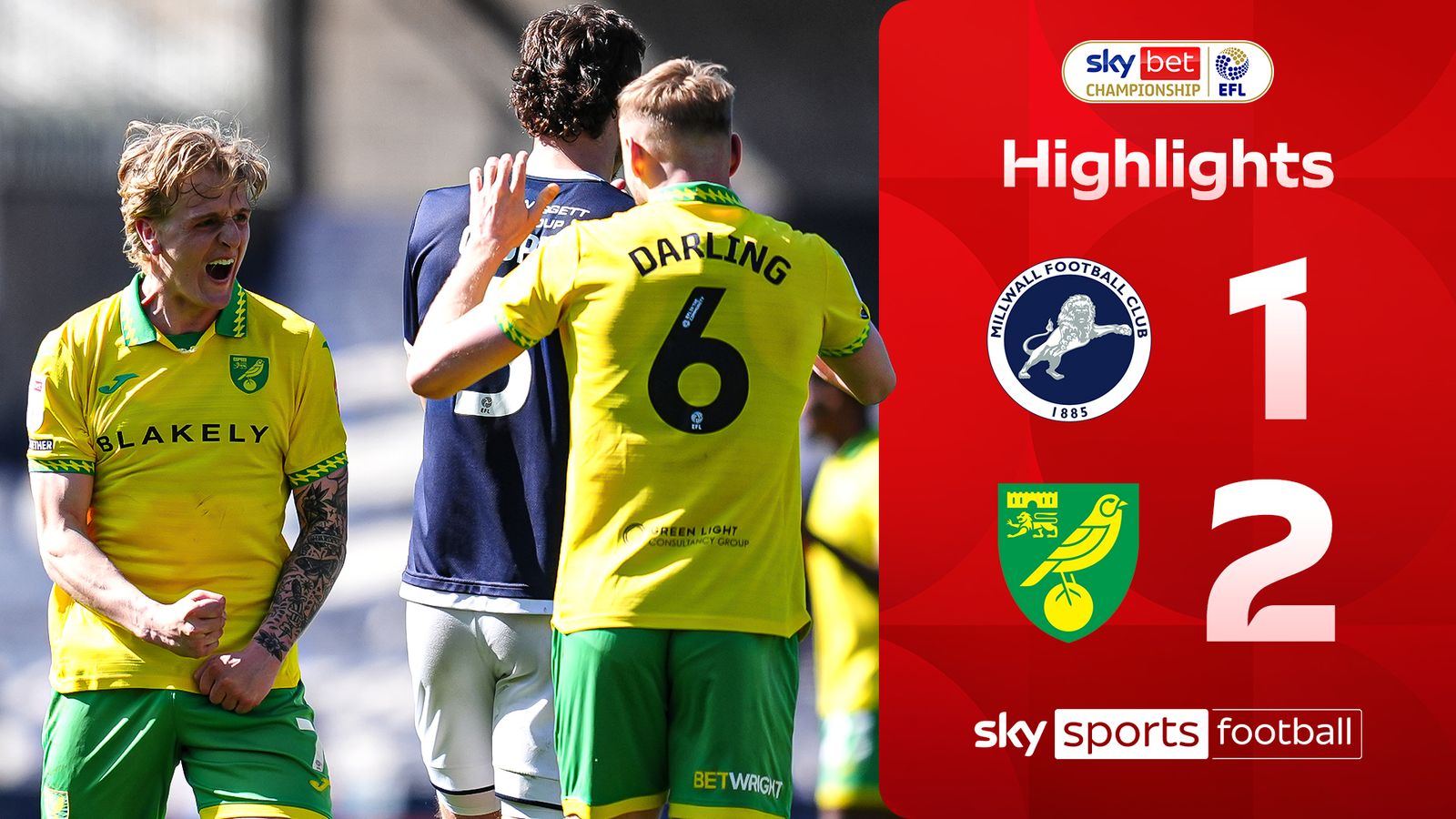
Norwich City appears to hold the advantage in this race. They have made direct contact with the player's representatives, playing their ace card to leapfrog Rangers and Portsmouth. Portsmouth had seen a £1.5 million bid rejected in January, and Dundee's refusal to sell in the winter has paid off.
Tactically, Graham is the archetype of the modern left-sided center-back. In possession, he is incredibly composed, frequently acting as the deep playmaker for Dundee. When Dundee builds from the back, Graham wide-positions himself on the left side of a back three, allowing him to bypass the opposition's first line of press with crisp, vertical passes into the central midfielders.
He averaged 68 passes per 90 minutes last season with an impressive 87% accuracy. He is also highly dominant in the air, winning 68% of his aerial duels, making him a major threat from offensive set-pieces.
But there are clear limitations to his game that Norwich must consider. Graham possesses a worrying lack of lateral quickness. When Dundee faced Celtic in April, Graham was repeatedly isolated in wide areas against quick, agile wingers.
In the 34th minute, Nicolas Kühn easily turned him on the touchline with a quick change of direction. This left Graham stranded as Celtic crossed for a near-post goal. In the high-tempo environment of the EFL Championship, where transitions are fast and wingers are relentless, this lack of agility could be exploited unless he is protected by a defensive fullback.
The Final Prediction: Who Wins the Summer Recruitment War?
Analyzing these three sagas reveals a fascinating picture of the modern transfer market. The clubs that succeed will not be those who spend the most, but those who align their acquisitions with clear tactical systems.
Valentin Barco will be a massive success at Stamford Bridge. His tactical education under Liam Rosenior makes him the perfect inverted midfielder for Chelsea's possession-based system. He will establish himself as a starter by November, rendering Enzo Fernández a luxury squad player.
In the battle for Kaishu Sano, Brentford will ultimately secure the Japanese midfielder's signature. While Brighton's possession model is attractive, Brentford's direct transition game perfectly matches Sano's ball-winning capabilities and long-range passing. His arrival will propel Brentford back into the top half of the table next season.
Finally, Luke Graham will choose Norwich City over Rangers. The Canaries' commitment to a possession-based system under their current management will offer Graham the perfect environment to hide his lack of pace. This is a gamble, but one that will pay massive dividends for Norwich in their quest for Premier League promotion.