The final hurdle
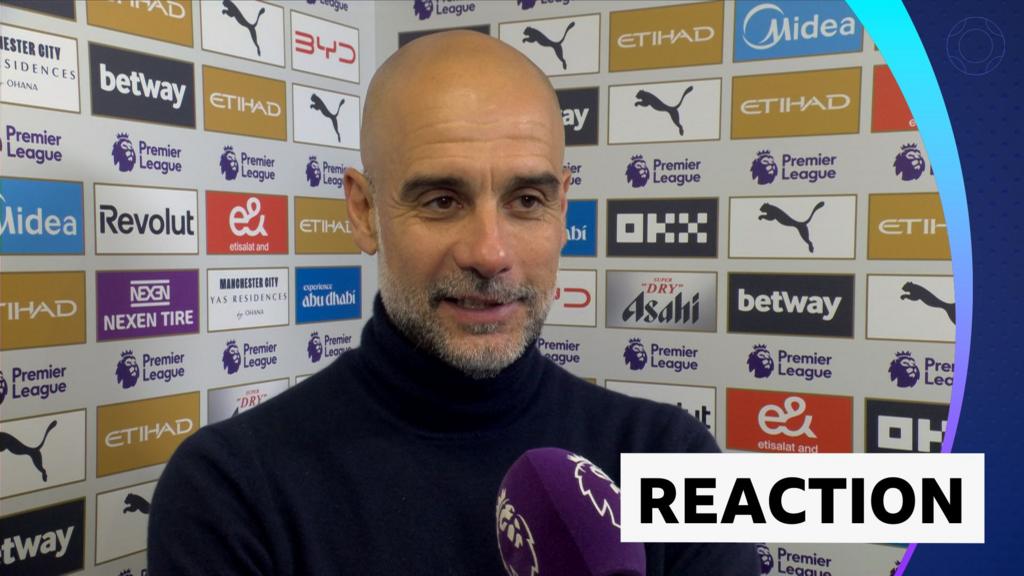
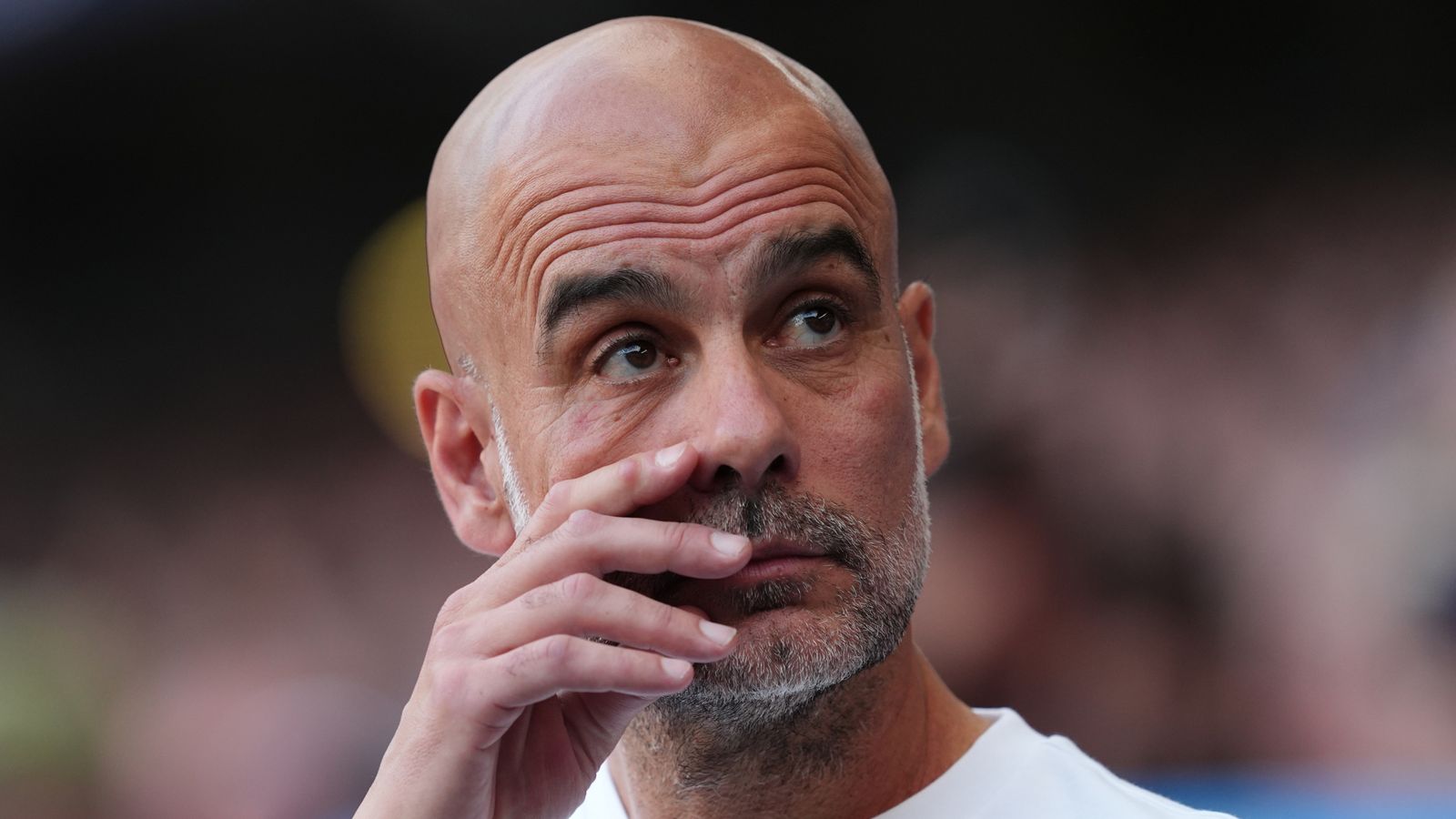
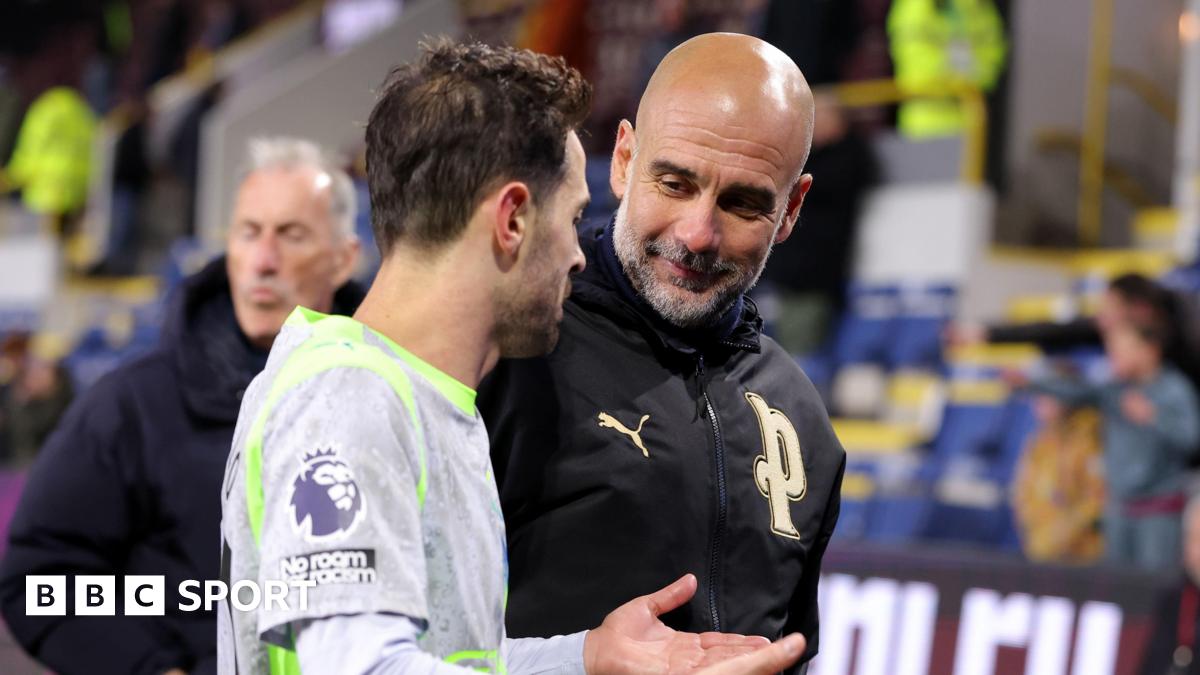
Pep Guardiola walked into the press room with the heavy steps of a man who hasn't slept properly since March. The tension in the air was thick enough to cut with a heavily sponsored energy drink. There were no grand declarations. No sweeping philosophical statements about the nature of positional play. He just looked ready for this grueling marathon to end.
Sunday brings the final match of the domestic campaign. Manchester City are exactly where they always are in late May — in control of their own destiny. Win, and they lift the trophy. Stumble, and the chasing pack will snatch it away.
But the mood around the blue half of Manchester isn't pure confidence. It is anxious anticipation. City have looked vulnerable over the last month. Their control over games, usually an absolute stranglehold, has slipped into chaotic end-to-end exchanges.
The transitional threat
The opposition are not arriving at the Etihad to be tourists. They have been drilled into a devastating counter-attacking unit. They thrive exactly where City have been struggling — in the wide transitional spaces.
Opposing wingers have made a habit of terrifying high lines this season. When City push their full-backs into midfield, they leave massive acres of grass behind Ruben Dias. The blueprint to hurt the champions is sitting right there in plain sight.
John Stones has been fighting a nagging calf issue for weeks. If he cannot start, the burden falls on Manuel Akanji to step into that hybrid midfield role. Akanji is an exceptional defender, but he lacks the disguised passing that Stones uses to break down low blocks. The away side will pack the center and dare Akanji to beat them with line-breaking balls.
Cracks in the machine
Fatigue and fraying edges
This is where we have to be honest about City's current state. They look completely exhausted. The relentless schedule has drained the electricity from their wide players. Jeremy Doku, so explosive in the autumn, has looked predictable over the last three weeks.
Opposing right-backs have figured out the rhythm of Doku's step-overs. He wants to hit the byline. When he gets forced inside, the move dies. This isolation on the left wing is killing City's attacking flow. Phil Foden has had to carry an absurd amount of the creative burden centrally just to keep the machine functioning.
And then there is Rodri. The defensive midfielder is the heartbeat of this team, but he has played a staggering amount of minutes. In the dying stages of their midweek clash, you could see him laboring to close down spaces he normally eats up in two strides. City without a fully firing Rodri are a completely different, infinitely more vulnerable team.
The tactical chessboard
As detailed in the latest Sky Sports live updates, Guardiola knows the visitors will likely deploy a compact mid-block out of possession. The key battleground will be the half-spaces. Kevin De Bruyne will need to find those tiny pockets between the midfield bank and the defensive line. But opponents have become relentless in shutting down those exact zones.
Expect City to try and overload the right side to isolate Jack Grealish or Doku on the left. It is a classic Guardiola pattern. Move the entire defensive block to one side, then hit a rapid switch of play. But aggressive full-backs won't just sit back and wait to be attacked.
If City's initial press fails, the midfield gets bypassed entirely. City's rest-defense has been their Achilles heel. Too often lately, they commit numbers forward without securing the edge of the penalty area. One loose touch, and the opposition will be sprinting at Ederson with terrifying speed.
A massive miscalculation
We need to talk about Guardiola's recent substitutions, because they have been genuinely baffling. Last weekend, he withdrew Foden when City needed a goal, opting for Mateo Kovacic to secure possession. It completely blunted their attack. It was a conservative move from a manager who usually trusts his attacking principles unconditionally.
If he makes a similar fear-based decision on Sunday, it could cost them dearly. City need to play with the arrogance of champions, not the fear of losing. They need to pin the opposition back and suffocate them, not try to manage a narrow margin. Playing safe against a fast counter-attacking team is a recipe for absolute disaster.
The reliance on Erling Haaland to bail them out of poor performances has masked a lot of structural issues. Haaland is a phenomenon, but his link-up play under severe pressure still leaves something to be desired. If center-backs get physical with him and cut off the service from De Bruyne, City's backup plan usually devolves into endlessly recycling the ball in a U-shape around the penalty box.
The Ederson dilemma
Another massive factor heading into Sunday is the form of Ederson. The Brazilian goalkeeper is fundamental to City's entire system. He isn't just a shot-stopper; he is their primary playmaker against high-pressing teams. But lately, his decision-making has been unusually erratic.
We saw it twice last month. He rushed off his line prematurely, getting caught in no-man's land and forcing his center-backs into desperate goal-line clearances. Against clinical forwards, Ederson cannot afford those brain fades. Expect the opposition forwards to press Ederson aggressively on his weaker right foot, trying to force a panicked clearance.
If Ederson goes long, Haaland has to win the initial header. If the defense wins the first contact, the midfield will swarm the second ball. This is where the game will be won or lost. Not in the penalty areas, but in the ugly, chaotic scraps for loose balls in the middle third of the pitch. City have historically dominated these duels, but their current heavy legs make this a massive area of concern.
The Etihad pressure cooker
The psychological tightrope
We cannot discuss Sunday without analyzing the psychological weight of this specific fixture. City have been chased relentlessly all season. They have a squad that mirrors tactical discipline but plays with a heavy burden of expectation. Anything less than perfection is viewed as a systemic failure.
This means City have zero margin for error. The knowledge that only a decisive victory secures their ambitions forces City to take risks they might otherwise avoid. If it is a tight game in the 75th minute, City will have to throw bodies forward, leaving themselves massively exposed to lethal counter-attacks. It is a terrifying tightrope for Guardiola to walk.
This group of players has won everything, yet they still play like a team terrified of the inevitable drop-off. That fear is a powerful motivator, but it also creates tension. And tension in a Guardiola side leads to heavy touches, slow passes, and structural breakdowns.
The final verdict
This will not be a procession. Anyone expecting City to casually roll over their opponents and celebrate by halftime hasn't been paying attention to the last month of football. The opposition is dangerous, City are tired, and the stakes could not be higher.
But for all their recent flaws, this Manchester City squad possesses a terrifying muscle memory for winning. They know how to suffer through these specific, high-pressure moments. Even when they are operating at seventy percent capacity, they find a way to drag themselves over the finish line.
It is going to be ugly. It is going to be incredibly stressful for the home fans. There will likely be a moment in the second half where the game appears to be slipping out of their grasp. But De Bruyne will find one impossible angle, or Foden will produce a moment of individual magic on the edge of the box.
Prediction: Manchester City will edge it 2-1. They will survive, but only after walking through absolute hell for ninety minutes.