Gravity eventually catches up to the classroom of ex-pros
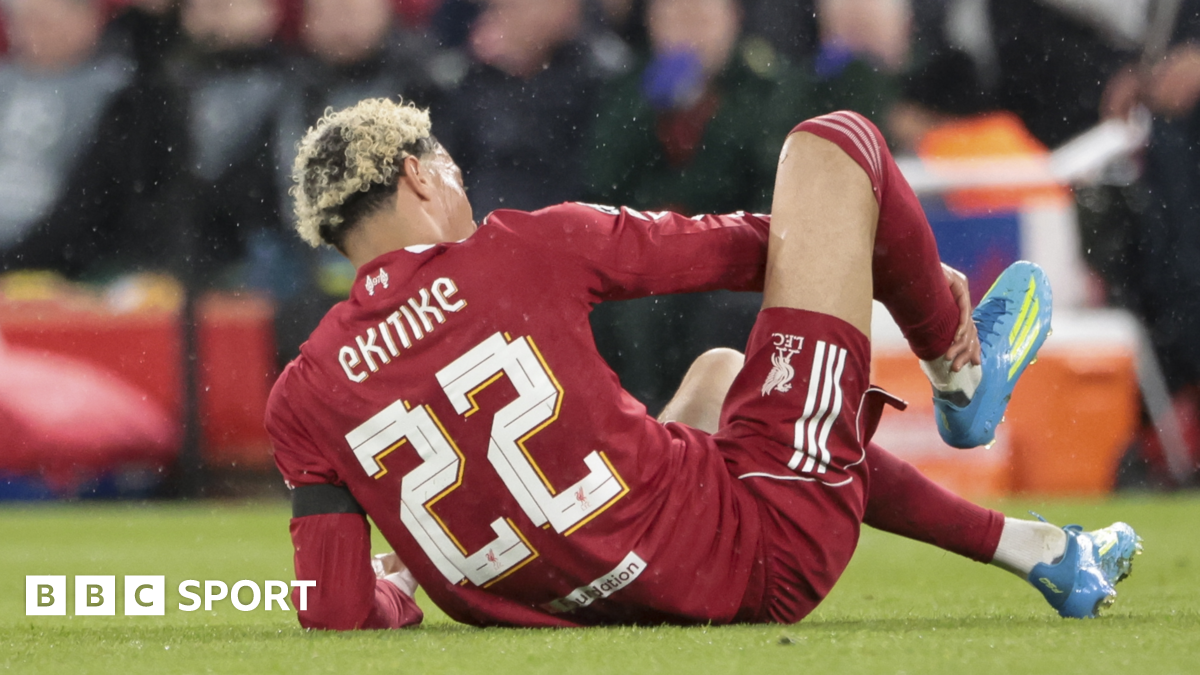
Stephen Ireland’s recent injury during a fixture for Wythenshawe Vets wasn't just a grim anecdote for the Sunday league circuit. It was a statistical reminder that elite-level muscle memory rarely translates to physical durability once the biological clock resets. When an audible snap occurs on a non-league pitch while surrounded by former Premier League peers, the narrative isn't about skill gap, but the violent reality of deceleration.
The Wythenshawe Vets project operates on a curious premise: assembling a collection of retired high-earners to dominate part-time opposition. As reported by the Daily Mail, the side regularly obliterates opponents, banking on superior technical processing speeds to offset the physical decline. Yet, Ireland’s injury exposes the fatal flaw in this logic; talent can control the ball, but it cannot override basic physics.
The hidden tax of post-career intensity
Professional athletes spend decades under a specific load-management regimen. When that structure evaporates, the sudden pivot to unmonitored amateur intensity often leads to catastrophic failure. We see similar patterns in the professional tiers, where recovery windows are shrinking.
Consider the current climate regarding player health. While Newcastle United deals with the ramifications of Lewis Miley's latest setback, as detailed in recent Sky Sports updates, the margin for error in rehabilitation is non-existent. Comparing the high-stakes pressure of top-flight survival against the vanity metrics of a veterans team highlights a systemic obsession with maintaining a peak that has long since passed.
Why the numbers don't add up
Ireland’s injury happened in a vacuum of accountability. In the top flight, medical teams monitor every sprint and deceleration event. In the non-league veteran circuit, zero tracking technology exists beyond the raw footage of witnesses.
We are seeing an uptick in career-defining injuries occurring outside of regulated professional environments. For teams like Nottingham Forest, who face tactical dilemmas concerning players like Morgan Gibbs-White—who Sky Sports reports could miss minutes following a head injury—every recovery protocol is calculated to the millisecond. The Vets gamble is the inverse. It prioritizes the continuation of a highlight reel over the structural integrity of the individual.
The failure of the vanity career
Ultimately, these sides are performative. They serve as a bridge between the spotlight of the Premier League and the anonymity of retirement. By the 90th minute, the difference between a former international and a local part-timer isn't class; it's the 20 percent drop-off in joint stability that naturally accompanies age.
The Wythenshawe Vets experiment is fundamentally flawed because it ignores the attrition rate of previous seasons. If a professional career averages roughly 12 years, the cumulative trauma to the musculoskeletal system is already at 100 percent capacity by the time they step onto those non-league pitches. Treating the body like a classic car that gains value with time is a mistake—it is a chassis that has already clocked over 50,000 miles of elite-level friction. The injury was not just unfortunate; statistically, it was an inevitability.