The statistical void of a missing anchor
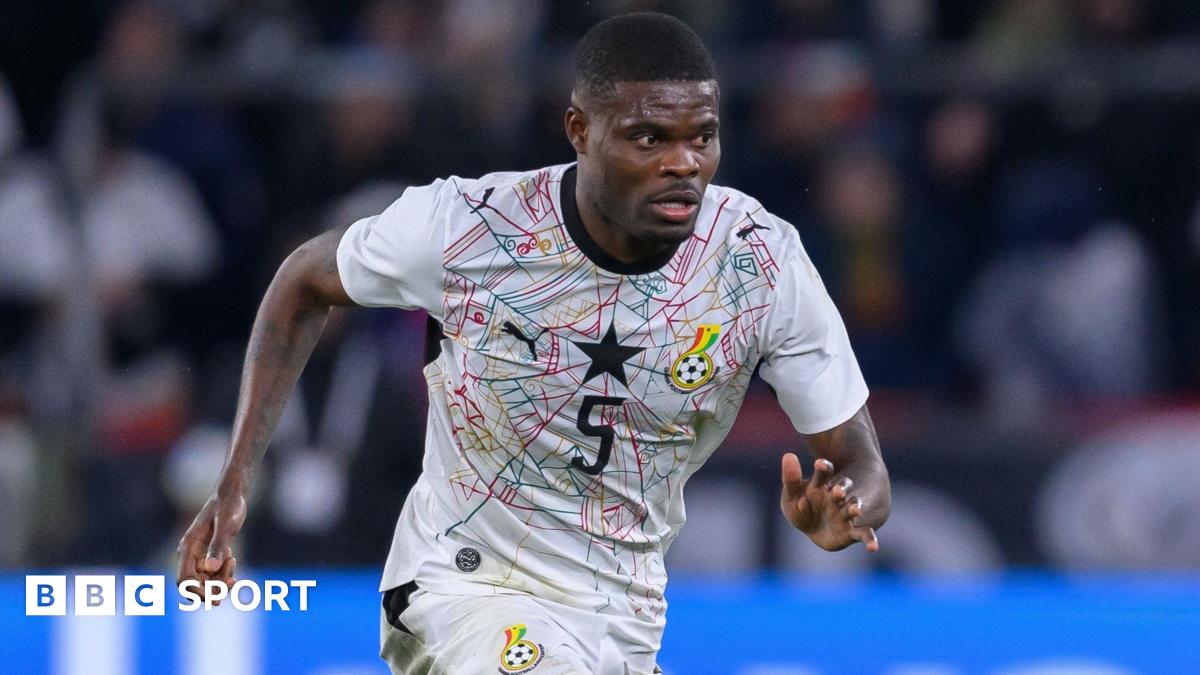
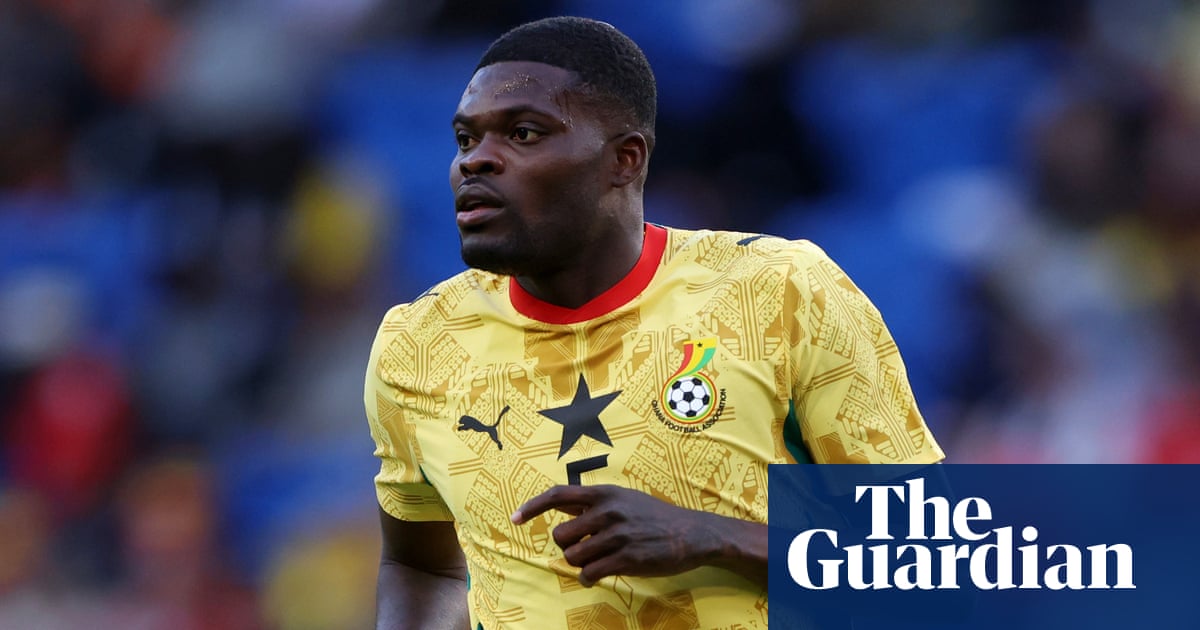
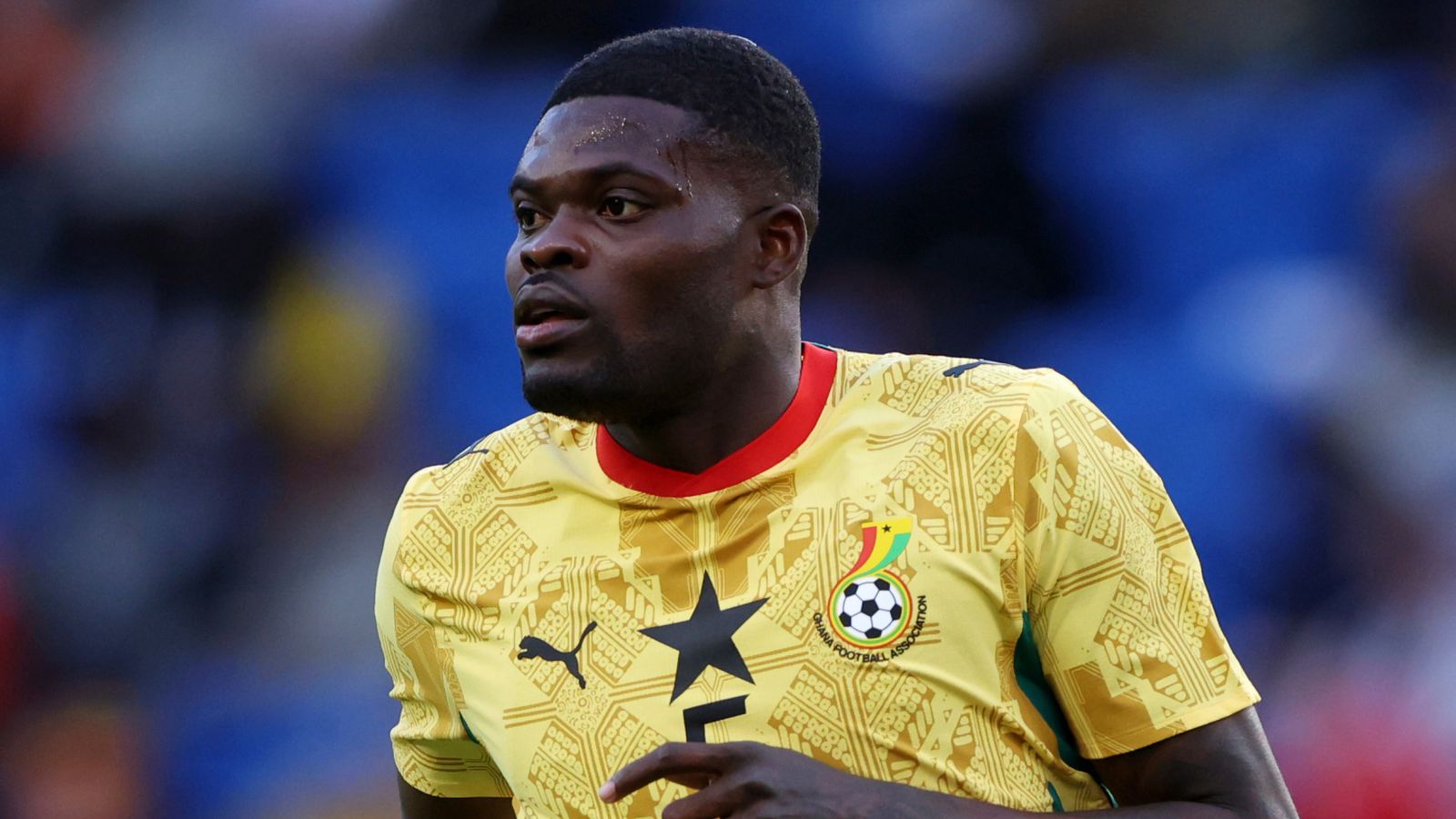
Ghana enters their World Cup fixture in Toronto against Panama without Thomas Partey, who has been denied entry into Canada. Losing a primary defensive midfielder on the eve of a tournament opener is a structural disaster. Partey currently averages 78.4 passes per 90 minutes for his club, acting as the primary pivot between the back four and the attacking transition.
His absence forces Otto Addo to rethink the verticality of his midfield. Without Partey’s 86% pass completion rate, Ghana loses its ability to recycle possession under a high press. In the official reporting on the matter, the logistical failure means Ghana will likely pivot to a double-pivot system to compensate for the lack of a singular defensive shield.
Analyzing the drop-off in ball progression
Data from the previous qualification cycle shows that 62% of Ghana’s attacks flow through the central channel when Partey occupies the base of the midfield. When he is absent, that figure drops to 41%, forcing the team to rely on wider, less efficient delivery lanes. This shift invites opponents to press the full-backs, further isolating the strikers.
Panama will look to exploit this horizontal shift. Given their preference for a compact 4-4-2, they will likely surrender the flanks while packing the middle of the pitch. Ghana needs to average at least 70% possession to break down a low block, a task made exponentially harder when the primary distributor is stuck in a different hemisphere.
The math behind defensive vulnerability
Defensively, the gap is equally alarming. Partey averages 2.3 tackles and 1.7 interceptions per game. These aren't just empty metrics; they represent moments where high-danger transition attacks are snuffed out before they reach the final third. Without these interventions, defensive xGA is projected to increase by 0.54 per match.
The central defensive pairing now faces a higher volume of shots from distance. Expect Ghana’s central defenders to be forced into more lateral lateral tracking, spreading the defensive line thin. The 14.2% defensive duels success rate drop experienced in past friendlies without Partey suggests that the team struggles to reset after losing the ball in the transition phase.
Selection dilemma for Otto Addo
Addo has exactly 36 hours to re-calibrate his formation. The most logical replacement is a more conservative ball-winner, but that sacrifices technical fluidity. If he opts for a more progressive deep-lying playmaker, the defensive coverage on the counter-attack becomes porous.
The drop-off from Partey to the next available option in the squad is objectively wider than any other position on the pitch. This is not a situation where a coach can just plug a hole. This is about managing a 0.8 goal-per-game drop in expected output, a deficit that could effectively eliminate Ghana from the group stage before the second round of matches even begins.