Tactical friction in the England camp
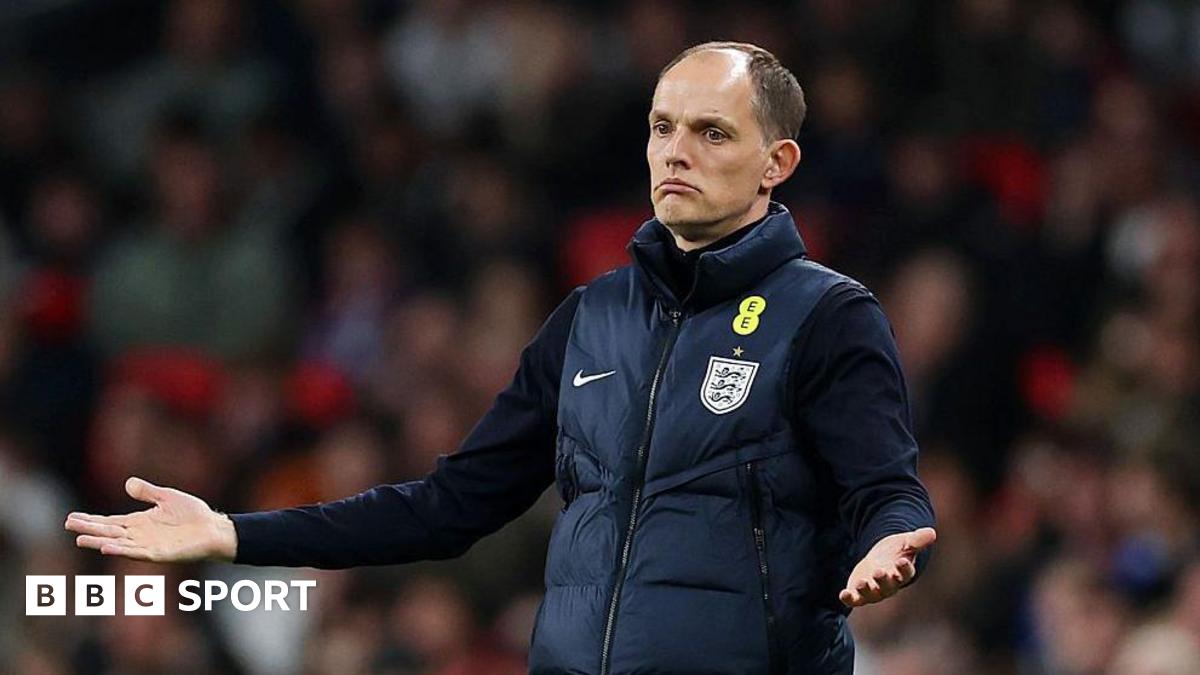
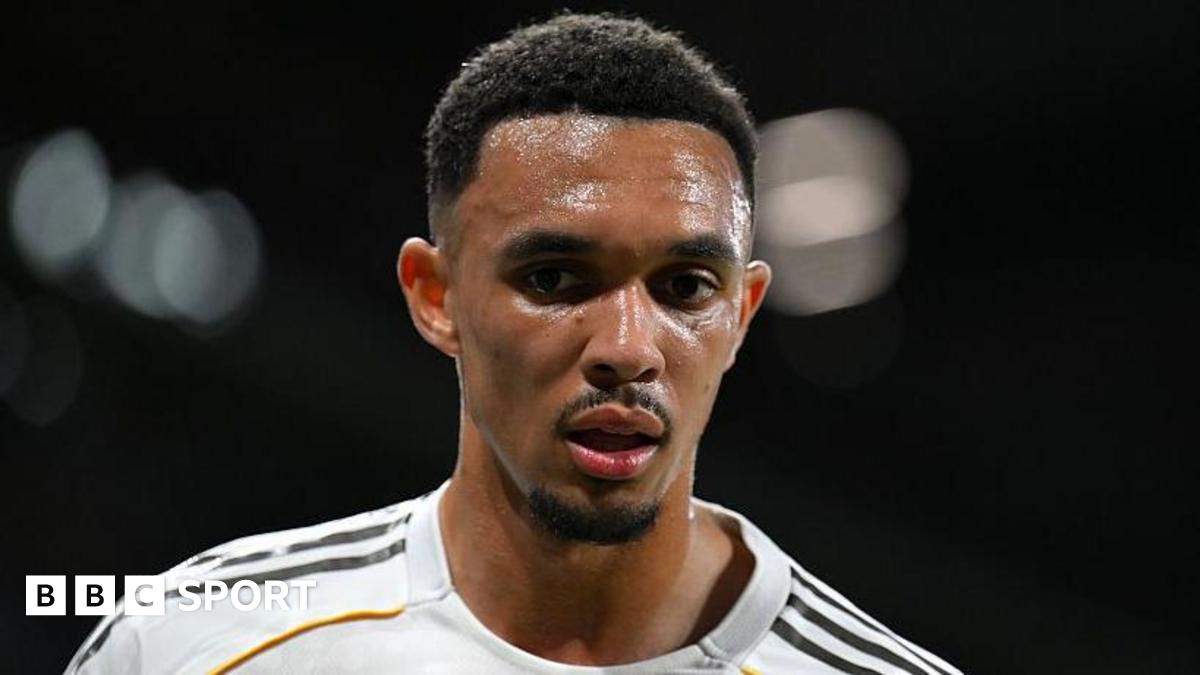
England manager Thomas Tuchel is reportedly revisiting his defensive strategy following tonight’s Champions League quarter-final leg. Sources close to the national team setup indicate that Tuchel’s primary concern involves the balance and defensive discipline of his right-back options. The performance of Trent Alexander-Arnold has not alleviated the tactical anxiety within the coaching staff, specifically regarding high-intensity transition phases.
Tuchel expects a specific defensive output from his full-backs that focuses on positional rigidity. The current data from recent matches suggests that Alexander-Arnold’s tendency to drift into central midfield roles creates significant gaps when facing elite counter-attacking sides. While his distribution remains world-class, the trade-off in defensive coverage is becoming a focal point of internal debate.
The Kane-dependent model
The reliance on Harry Kane remains the most glaring issue in the current England attacking build-up. As reported by the BBC, Tuchel’s reliance on the Bayern Munich striker is absolute. The tactical risk here is the lack of a secondary mechanism if Kane is neutralized by a physical center-back pairing.
Against top-tier opposition, there is a visible dependency on Kane dropping deep to facilitate progression. This movement forces the midfield unit to compensate for the lack of a high-line focal point. When that link is severed, England’s offensive output drops significantly. The expectation is that the summer camp, preceding the late-season tournament periods, will feature intense drills focused on diversifying these attacking lanes.
Transfer market implications
While Tuchel focuses on his current roster for the Madrid tour, the summer window will demonstrate if he intends to move for players who prioritize his specific defensive demands over traditional, expressive full-back play. The market is currently pricing top-tier defensive specialists in the €60 million range, though move probabilities remain low until the Champions League final outcome in late May.
One critical observation involves the bench depth. If Tuchel decides that Alexander-Arnold’s specific skill set is incompatible with his high-press defensive structure, he may look toward players currently performing in continental European leagues who offer superior recovery pace and discipline. These decisions will likely be finalized post-WrestleMania 41, keeping player agents on high alert during the upcoming break.
Probability and timeline
The probability of a wholesale change to the starting right-back position is currently medium. It is more likely that individual tactical instructions will be adjusted before any permanent removal from the match-day squad occurs. Any definitive moves in the transfer market for specialized defensive depth will likely materialize during the early stages of the international window, roughly mid-June 2026, coinciding with the World Cup preparation phase.
We are watching a clear divide between Tuchel’s philosophical preference for control and the squad's tendency toward creative freedom. If the transition under Tuchel fails to yield results during the upcoming international friendlies, expect a much harsher selection policy for the autumn fixtures. The stakes are immense, as the 2026 World Cup kickoff on June 11 looms as the primary benchmark for the current regime.
Read Next
- Tuchel's Madrid mission turns into an England squad reality check
- Real Madrid vs Bayern Munich: Chaos, Kane and fan meltdown
- Arsenal endure a defensive slog in Lisbon as the UCL quarter-finals heat up
- Southampton’s defensive fragility ruins a dominant display at Wrexham
- 🏴 England World Cup 2026 — Three Lions Hub