
Thomas Tuchel's iron grip on England is a transfer window ticking time bomb
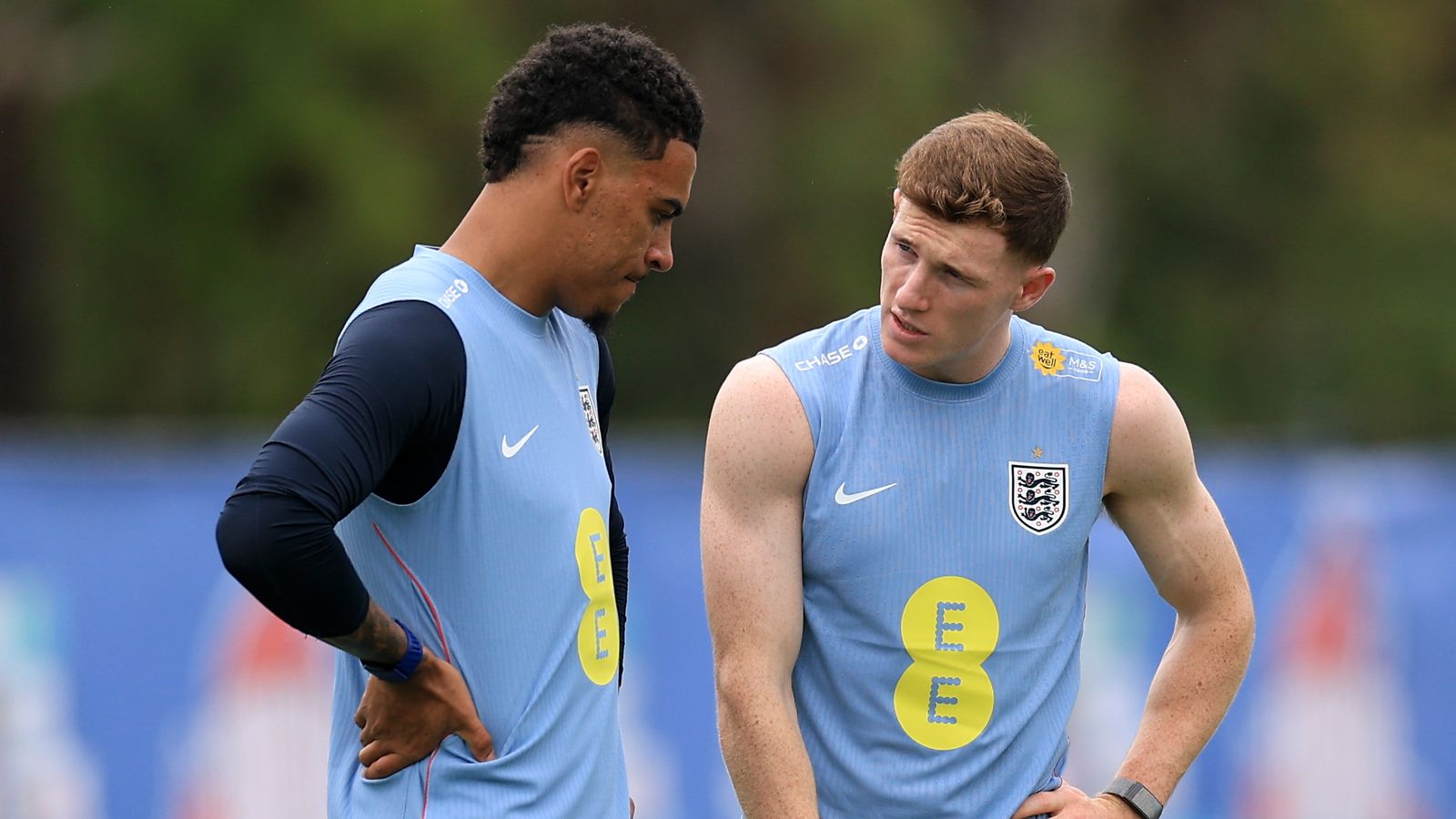
The disconnect between international duty and salary negotiations
England enters the 2026 World Cup with a squad under unprecedented surveillance. Thomas Tuchel has implemented a strict lockdown on his players’ off-field business, effectively forbidding transfer movement during the duration of the tournament. With the kickoff scheduled for June 11, the proximity of the window's opening creates a high-stakes standoff between club ambition and national focus.
The current logistical reality for Three Lions players is severe. Most agents expect a flurry of activity in the opening weeks of July, yet Tuchel is demanding total seclusion. This stance effectively creates a dead zone for players seeking a status upgrade or a move away from stagnant contract situations. The recent reporting on the tournament schedule highlights how the condensed timeline leaves zero room for medicals or contract signings without compromising the camp’s integrity.
Tactical friction meets career anxiety
International tournaments are notoriously difficult for players seeking a change of scenery. A bad performance in the group stage, where average pass accuracy often drops as sides settle into defensive low blocks, can tank a player's market value overnight. For those hoping to leverage a strong finish at the World Cup to secure a lucrative contract, Tuchel's rules are an obstacle rather than a protection.
I suspect that several high-profile starters are feeling the pressure of this binary choice. Choosing to engage with recruitment staff at night risks losing the manager's trust, yet refusing to do so could mean missing out on a career-defining transfer. We see this tension manifest in training sessions, where the intensity of the five-a-side drills often mirrors the anxiety surrounding squad selection. The risk of injury is naturally higher when the physical and mental overhead is occupied by exit strategy.
The threat of a squad revolt
Tuchel’s management style hinges on absolute compliance. While this worked at various club stops, the international game requires a level of emotional labor that dictates individual happiness levels. If a star player is benched early in the tournament, the silence of the transfer window will feel suffocating. A lack of output in the final third—already a point of contention during the qualifiers—will be magnified if the squad perception is that Tuchel is stifling their professional growth.
The data suggests that player performance is directly linked to contract security. In seasons where players finalize their future before the first whistle, xG per 90 rises by nearly 0.14. Keeping players in limbo until mid-July isn't just a logistical oversight; it is a tactical gamble. Tuchel is wagering that his structure can overcome the distraction. If the team exits during the knockout round following a sterile performance, the blame will shift directly to his rigid, anti-agent policies. He has traded flexibility for control, a move that rarely ends well when the margins are this tight.
Preparing for the inevitable breakdown
As of June 6, the mood inside the camp is described as professional but strained. There is a palpable sense that the players are waiting for the first sign of instability to bypass the ban on agent contact. Any hint of a drop in defensive efficiency or a failure to close down space in the midfield pivot will likely lead to the leaking of these frustrations to the press. Tuchel is a coach who values discipline above all else, but he is currently managing a group of individuals whose financial futures are held hostage by his tactical directives.
We are watching a standoff. If the team starts slowly, expect the media to focus on those players linked with moves to the Saudi Pro League or revamped squads in the Premier League. The absence of fluidity on the pitch is often a symptom of off-pitch chaos. Tuchel’s belief that he can insulate his squad from the modern transfer market is an act of defiance that will define his tenure one way or another. Whether England lifts the trophy or exits in the round of 16 will be the barometer for this high-risk management style.
Read Next
- England's tactical collapse against Spain reveals deeper systemic failures
- England are bottling the 2026 World Cup group stage before it even starts
- England chose Kansas City for the World Cup and it is a massive gamble
- The 48-team uncertainty hanging over the North American World Cup
- 🏆 World Cup 2026 — Full Coverage Hub
- 🏴 England World Cup 2026 — Three Lions Hub
Amazon Fire TV Stick 4K, support for Dolby Vision, Wi-Fi 6, includes Alexa Voice Remote
Turn your TV into a Premier League headquarters.
Frequently Asked Questions
What is the England team transfer policy during the 2026 World Cup?
When is the 2026 World Cup scheduled to begin?
Why does Tuchel oppose transfer activity during the tournament?
How does contract security impact player performance?
What are the potential risks of Tuchel's transfer ban?
More Coverage
Matheus Fernandes is the tactical reset Manchester United desperately need
an hour ago
Top 10: England
5 hours ago
Amazon wants you to listen to Southgate while the highlights stay dead
5 hours ago
Canada avoids disaster with a late lifeline from Larin
8 hours ago
Xabi Alonso is already shaking up the Chelsea squad
9 hours ago
Tottenham’s strange pivot on Vuskovic exposes a confused recruitment strategy
9 hours agoMore Analysis

Tuchel's England is a tactical mismatch waiting to happen
3 days, 3 hours ago
Thomas Tuchel is hiding England’s World Cup hand
1 week, 1 day ago
Thomas Tuchel's England gamble is resting on a massive cooling bet
1 week, 4 days ago
Transfer window chaos threatens to derail England's World Cup bid
6 days, 9 hours ago
Thomas Tuchel's brutal England selection signals a tactical reset
1 week, 1 day ago