The Architect Under Fire
Mikel Arteta has transformed Arsenal into a juggernaut, yet the gap between domestic dominance and European glory remains defined by tactical rigidity and high-stakes gambling. As of May 31, 2026, the aftermath of a heart-wrenching Champions League final defeat in Budapest to PSG has forced a harsh audit of his decision-making.
1. The Gabriel Penalty Gamble
Arteta insisted that giving Gabriel the fifth penalty was a pre-meditated tactical decision rather than a snap judgment. By bypassing established attackers for a center-back in the highest-pressure moment, he gambled on his own internal conditioning data over match rhythm. The mission backfired, cementing the exit and drawing fire from club icons like Thierry Henry. It ranks first because it highlights the manager’s greatest flaw: trusting his own process over the observable physics of the game.
2. The Budapest 'Double-Decker' Strategy
In the final against PSG, Arsenal were accused by L’Equipe of parking a double-decker bus, abandoning their usual front-foot identity for a passive block. This shift in philosophy against a top-tier opponent felt like a betrayal of the identity he spent years building at London Colney. It was a cowardly departure that resulted in a 4-3 penalty loss after a lackluster attacking display. When you claim you will become the champions of Europe, playing not to lose is a fatal contradiction.
3. The Penalty Shootout Deficit
The failures of Eberechi Eze and Gabriel during the final were not statistical anomalies; they were preventable errors. Arteta claimed he pointed the finger at the referee for controversial calls, but he cannot deflect from the fact that his side folded when the game turned to individual set pieces. Arsenal looked rattled under the lights, suggesting a lack of mental preparedness for the ultimate stage.
4. Rigid Transfer Demands
Arteta has already signaled moves for Igor Thiago from Brentford and Morgan Rogers from Aston Villa. While refreshing the squad is necessary, there is a recurring pattern of seeking specific, narrow skill sets to solve singular problems. He appears obsessed with replacing Viktor Gyokeres, yet neglecting the deeper creative vacuum in the final third. His eye for talent works, but his tendency to demand "perfect" fits often ignores the need for sheer attacking volatility.
5. The Keown Critique
Club legend Martin Keown has publicly urged the manager to replace two key starters, specifically mentioning Kai Havertz. This public challenge from a former stalwart indicates a growing impatience among those who believe the current window of opportunity is narrow. Arteta’s loyalty to certain personnel has been a recurring feature of his tenure, but it is now being viewed as a liability by former players.
6. Betting on Domestic Supremacy
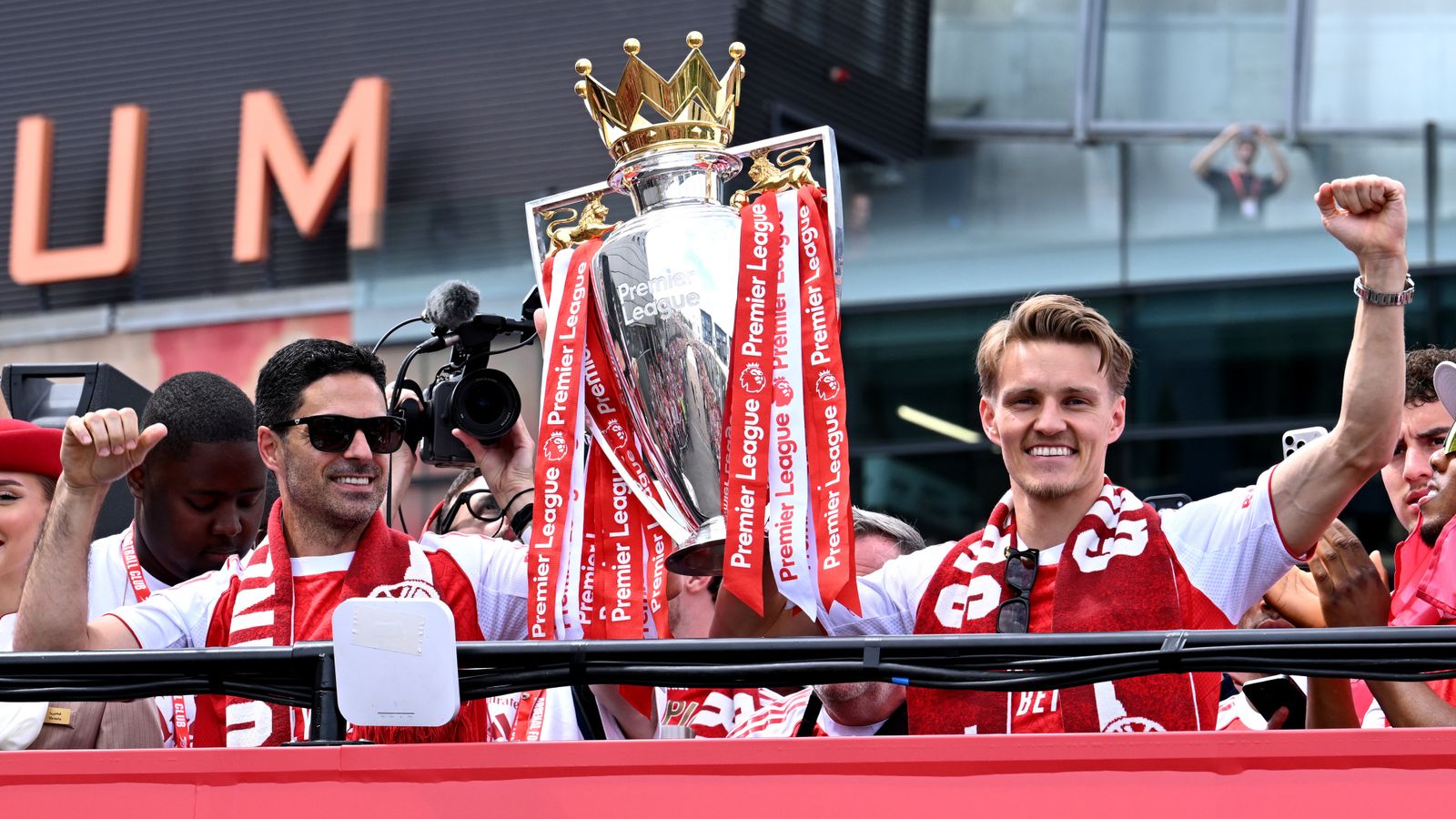
Despite the European heartbreak, the argument remains that Arsenal is built for long-term Premier League domination. The consistency across 38 games is not in dispute, as the team shows far more maturity than any other English side. However, the inability to translate that league stability into knockout success keeps him out of the top tier of all-time managers. He is creating a dynasty of runners-up unless he solves the mid-game crisis of confidence.
7. Refusing the Blame Shift
Arteta’s post-match comments regarding the officiating against PSG were classic distraction tactics used to pivot away from poor performance. Instead of internalizing the loss, he turned his ire toward external factors, a trait that creates unnecessary friction with the press. If he wants to lead a true European powerhouse, he must own the failure of his game plan rather than nitpicking the referee’s whistle.
8. The Midfield Creative Void
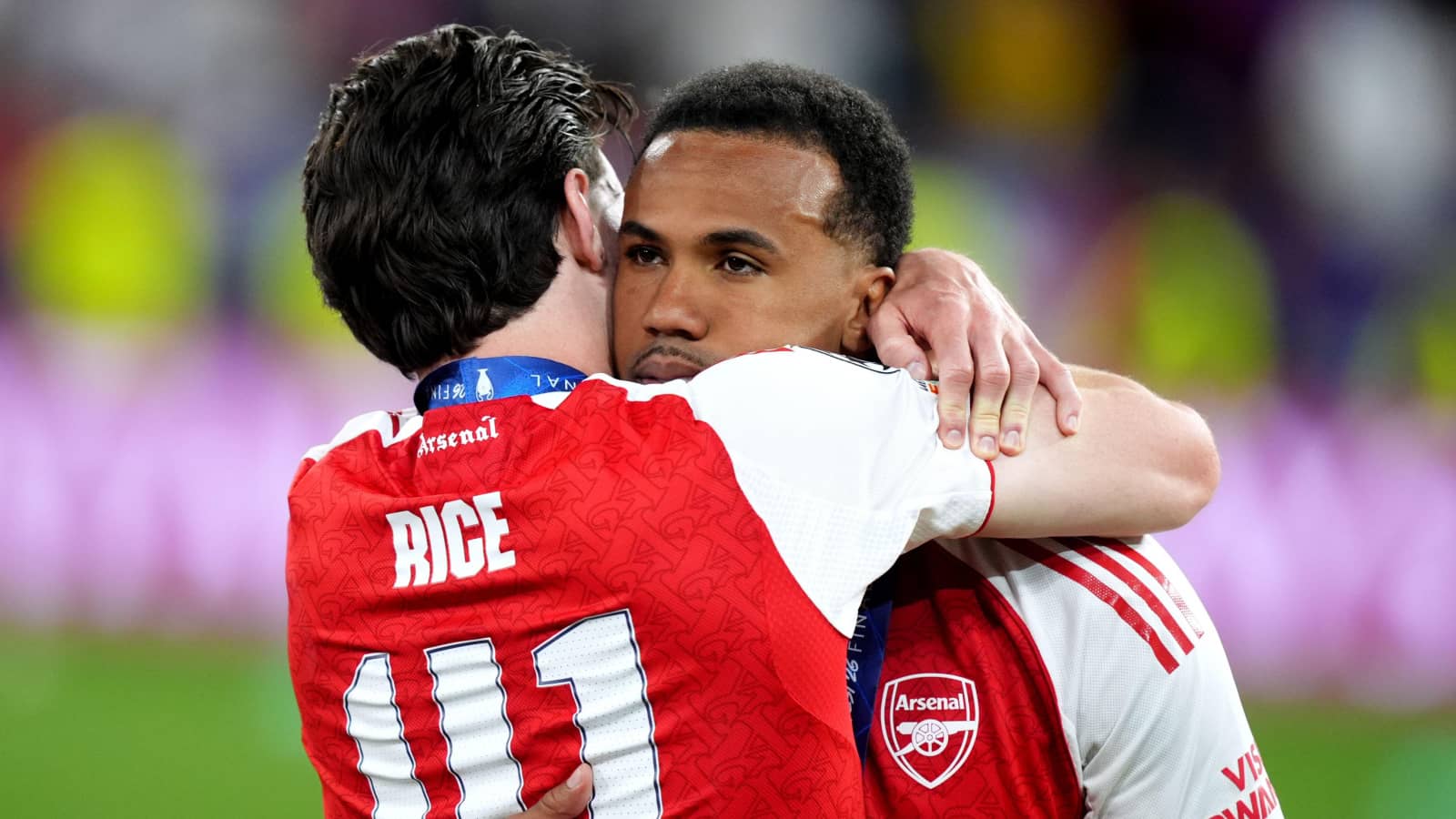
For all of Declan Rice’s leadership and defensive coverage, Arsenal lacked a cutting edge during the most crucial periods of the campaign. The reliance on rigid tactical instruction stifles the spontaneity needed to break down low blocks in finals. He has built a structurally sound machine, but it lacks the chaotic brilliance required to flip a game on its head when the original plan fails.
9. Publicly Stated Ambition
Boasting that Arsenal would be champions of Europe added an unnecessary layer of pressure that the squad ultimately could not handle. It gave rivals ammunition to mock the club after the shootout defeat, making the loss feel significantly more embarrassing. Arteta needs to learn that the silence between trophies is more powerful than any pre-match grandstanding.
10. The 'Nearly Man' Tag
Arteta has invited the ghost of Arsene Wenger by becoming the league's perpetual nearly man. Winning the Premier League title is a massive achievement, but without the UEFA trophy, he remains locked in a battle with his own reputation. He has the resources and the backing, but the lack of European hardware is the only metric that will define his legacy in ten years.
Honorable Mentions
The continued development of his young core remains the most hopeful aspect of his reign, even if the senior stars are currently hitting a ceiling in high-leverage situations. Fans should also look for a potential shift in tactical formations during pre-season training, as the static 4-3-3 is becoming overly predictable for elite managers.