The end of a World Cup dream
Billy Gilmour will miss the 2026 FIFA World Cup after sustaining a knee injury during Scotland's final warm-up match against Curacao. The midfielder, a core piece of Steve Clarke’s setup, was forced off the pitch prematurely. Medical assessments confirmed the severity of the damage shortly after the final whistle.
This is a devastating setback for Scotland, who open their campaign in just 11 days. Losing a player of Gilmour’s technical profile mid-week before a major tournament creates a tactical void that is nearly impossible to fill. His ability to anchor the middle in transition provided the foundation for Clarke’s possession-based approach.
Tactical ripple effects and squad depth
Clarke now faces an immediate roster dilemma as he scrambles to replace a starter mere days before the kickoff. While Scotland secured a friendly win, the injury changes the optics of the entire lead-up. The team lacks another holding midfielder who offers the same consistent passing range and defensive pressure.
This absence shifts the burden onto the remaining core. Expect Scott McTominay or Callum McGregor to handle expanded responsibilities in the pivot, though it remains a roll of the dice in terms of balance. Without Gilmour, the team risks losing control of games against higher-ranked opponents in the group stage.
Historical context and the timing factor
Late-stage tournament injuries are the nightmare scenario for every national manager. This echoes past campaigns where key players were sidelined in training camp, leaving systems exposed. When a player who dictates the tempo goes down, the team’s identity fluctuates overnight.
The current state of the squad indicates a reliance on established, reliable hands. As reported by the Mirror, Gilmour’s absence leaves a hole that will undoubtedly be scrutinized by group rivals. The speed of his withdrawal from the squad leaves little room for adaptation or chemistry building with a replacement.
Analyzing the broader implications
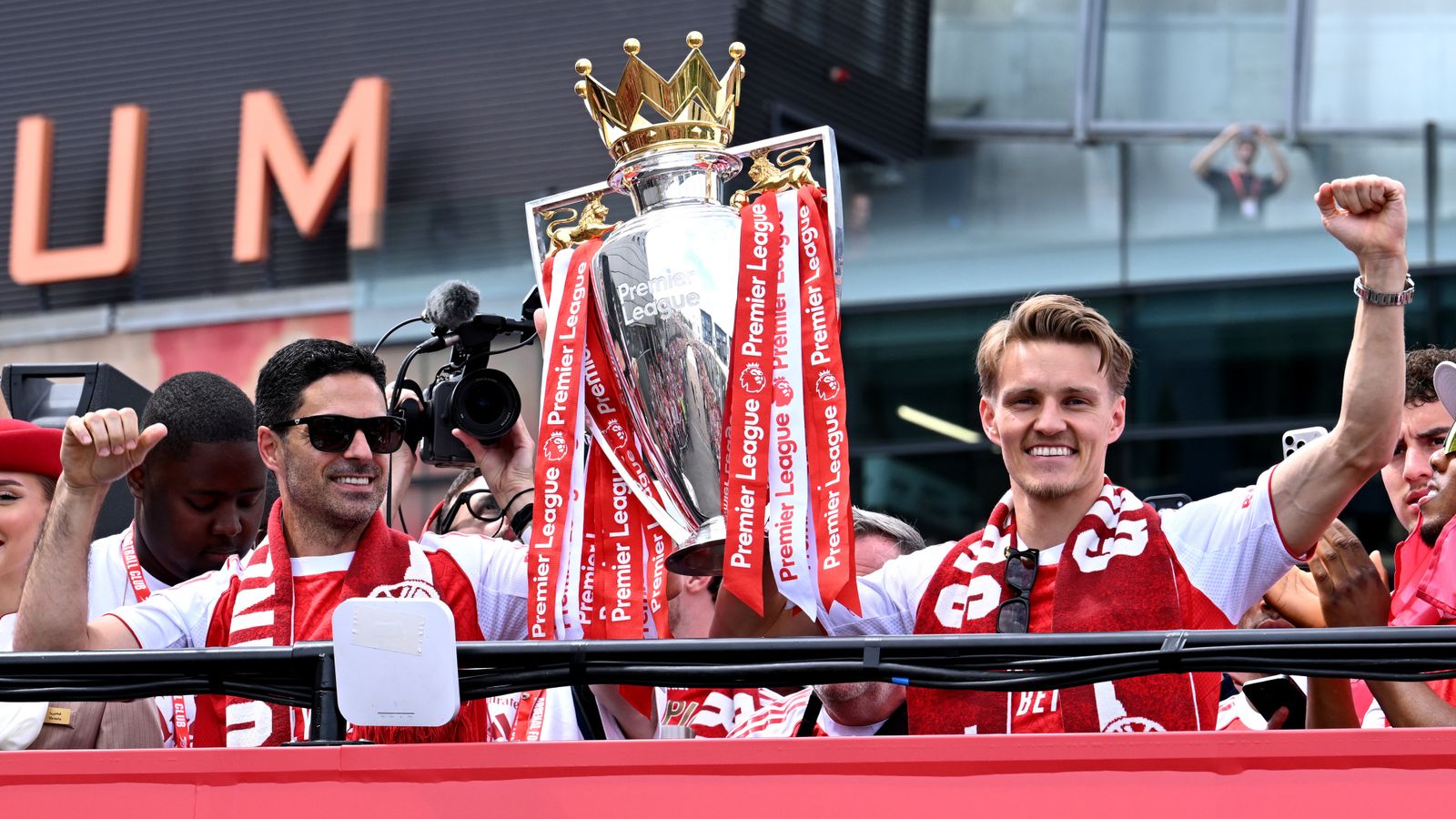
National teams are thinning out across the world stage as the grind of the club season takes its toll. While fans in London fixate on the Arsenal trophy parade, the mood in the Scotland camp is somber. The contrast between celebrating domestic success and mourning tournament exits is a harsh reality of the current football calendar.
Observers are already questioning the intensity of these final friendlies before a major tournament. Risking key starters in matches against lower-tier sides like Curacao has clearly backfired. If Scotland struggles to progress past the opening round, this injury will be cited as the turning point for a stalled campaign.
There is also the question of squad balance. With limited time to integrate a new call-up, Clarke might prioritize defensive stability over creative replacement. It is a conservative choice, but desperate times often force a coach away from their preferred style of play.
Ultimately, this injury is a massive blow to Scotland’s hopes of a deep run. The team survives on chemistry and specific tactical roles; removing the pivot changes everything. They will likely be remembered for this pre-tournament tragedy if the results on the pitch decline in June.
Read Next
- Billy Gilmour ruled out of World Cup following knee injury
- Billy Gilmour's injury just turned Scotland's World Cup into a funeral march
- Scotland face a midfield crisis just days before the World Cup
- Scotland’s 4-2 win against Denmark was a statistical anomaly
- 🏆 World Cup 2026 — Full Coverage Hub
- 🏴 Scotland World Cup 2026 — Tartan Army Hub
- 🇧🇷 WC 2026 Group C — Brazil, Morocco, Scotland, Haiti