The defining sequence of the 2026 campaign
The 2026 season moved at breakneck speed, prioritizing high-churn tactical shifts over traditional hierarchy. As we reach the Champions League final tonight, these ten moments define a year where long-term plans often crumbled against sudden, erratic innovation.
1. Crystal Palace's Tin Pot Triumph
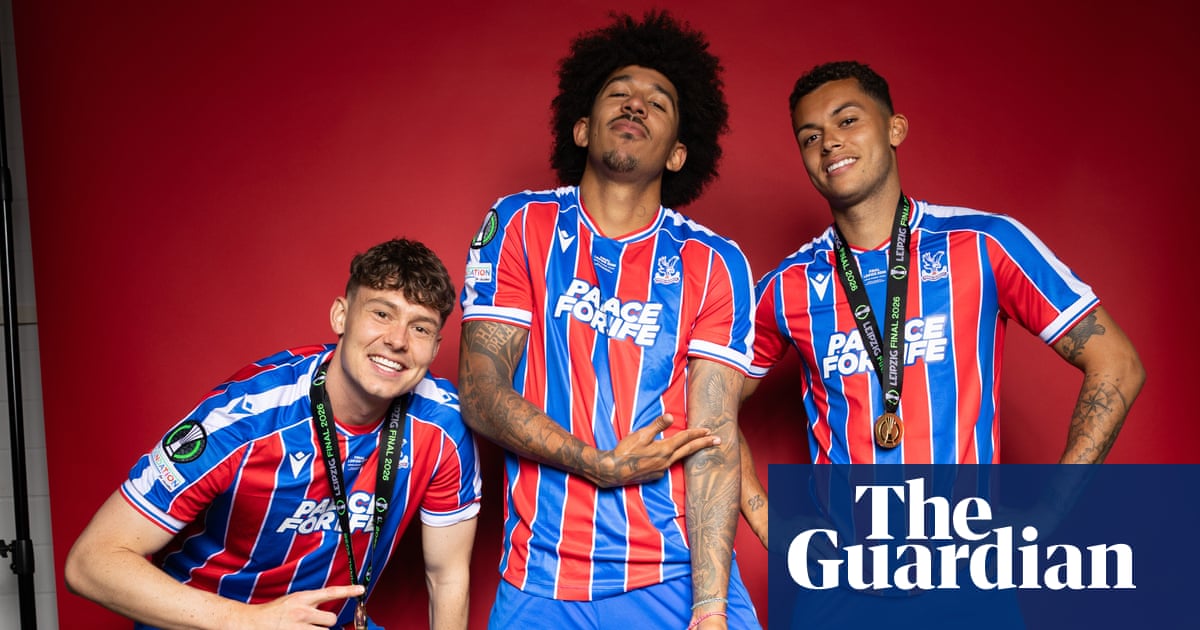
Crystal Palace securing the Tin Pot trophy against Rayo Vallecano isn't just a vanity result for south London. It represents the limit of over-performing squads in an era defined by aggressive wage structures and poaching. While the feel-good angle dominates, the actual match revealed a lack of tactical depth that will haunt manager Oliver Glasner during the summer window. As The Guardian reported, Palace now faces a desperate fight to retain its core talent from bigger financial sharks. This win earns the top spot because it marks the absolute peak of the club's current window before the inevitable disassembly begins.
2. The Mid-Season Tactical Reset
The decision by three major Premier League clubs to switch to back-three configurations in January changed the underlying math of the season. It wasn't about aesthetics; it was a desperate reaction to the influx of high-speed wing-backs flooding the transfer market. Watching top-tier managers scramble to fit personnel into rigid systems exposed the fragility of their initial strategies. Some succeeded, but many others ruined their goal difference in a panicked three-week span.
3. The Golden Boot Race Intensity
The 2026 goal-scoring charts highlight a decline in positional defensive discipline. Players are finding gaps because high-pressing defensive lines take unnecessary risks that ignore the speed of modern strikers. When the net ripple count hits 30 goals for a single player before June, it isn't sheer brilliance; it is proof that managers have ceded control for the sake of entertainment. Efficiency took a back seat to chaos.
4. Mid-Field Attrition during February
Physical burnout peaked in mid-February as clubs struggled to manage squad rotation across multiple competitions. The injury crisis at several title-contending clubs stemmed from an inability to account for fixture density. Managers who ignored sports science for the sake of continuity paid the price in dropped points. It was a failure of management, not just poor player luck.
5. The Loan Market Speculation
Market activity shifted toward short-term loans rather than long-term asset acquisition. This move signals a lack of belief in project building. When teams treat high-level players like library books due for return in June, they stop developing internal chemistry. It creates a transactional environment that values utility over identity.
6. VAR Consistency Complaints
Consistency in officiating remained the primary grievance of every fan base this year. Discrepancies in handball interpretations throughout the winter months made games feel secondary to the refereeing. Arguments over tech-aided decisions turned football into a debate about geometry rather than sport. This rank reflects the frustration of millions who watch the flow of a game stutter for minutes at a time.
7. Academy Integration Hurdles
Clubs promised more minutes for internal youth, yet most retreated to safe, expensive veteran options as performance pressure mounted. Only a few sides actually followed through on youth-first strategies. It remains a massive failure that high-potential talent spent the entire season on the bench while clubs spent millions on journeyman signings. Developing local pathways is clearly secondary to keeping a seat at the table.
8. Set-Piece Specialization
We saw an explosion of hyper-specialized set-piece coaching roles this season. It's a boring but effective way to steal points, and it worked exceptionally well for mid-table sides. If you don't have a specific coach for corners and free kicks, you are essentially forfeiting ten percent of your points total. It shows how clinical, if not soulless, the game has become.
9. The Global Broadcast Expansion
Broadcasting rights pushed games into awkward morning slots for international markets, alienating domestic match-going fans. The atmosphere in stadiums suffered as local clubs tried to cater to time-zone demands. When a 12:00 PM kickoff feels like a business meeting, the sport loses the raw emotion it relies on. Money talks, but it clearly speaks in a language that ignores the fans in the stands.
10. The Defensive Blunder of the Year
The total breakdown of the league's top-seeded defense against a bottom-tier side in mid-March reminded everyone that complacency is fatal. Watching a title favorite concede 4 goals to a relegation-bound side showed that elite coaching is just one bad game away from catastrophe. It was the lowest point for a team that had otherwise looked unstoppable for five straight months. A humbling reminder that money does not buy defensive intelligence.
The Big Picture
The 2026 season was a carousel of reactive decisions and short-term survival tactics. Clubs prioritized immediate results over structural stability, leaving a trail of exhausted squads and disaffected fan bases in their wake.
Honorable Mentions
The record-breaking number of managerial sackings, the persistent failure of marquee marquee signings to settle in under 6 months, and the surprisingly high ticket prices that continue to drive fans toward illegal streams instead of attending matches. The game is financially bloated yet tactically thinning, creating a volatile environment where the next crisis is always one bad result away.