The hierarchy of intensity
Football records are often static, but defining moments dictate the path of the sport. We look at the instances where outcomes shifted the momentum of entire nations and clubs.
1. The 1950 Maracanazo
Brazil needed only a draw against Uruguay to secure their first World Cup title on home soil. A crowd of 173,850 watched in silence as Alcides Ghiggia netted the winner in the 79th minute. This result remains the deepest psychological wound in Brazilian history. It proved that home-field advantage is often a fallacy when internal pressure is allowed to mount.
2. The Miracle of Istanbul
Liverpool trailed AC Milan 3-0 at halftime in the 2005 Champions League final. Steven Gerrard ignited a comeback that saw the Reds score three times in six minutes. Jerzy Dudek’s double save against Andriy Shevchenko in extra time cemented the win. Comebacks like this are rare, yet they highlight how tactical discipline can evaporate under high-leverage pressure.
3. Maradona’s Solo Run: 1986
In the quarter-final against England, Diego Maradona dribbled past five English players before slotting home. It remains the greatest individual achievement in a FIFA tournament. While the Hand of God goal is widely discussed, this goal defined his technical ceiling. It effectively ended England's realistic hopes for that cycle.
4. Zinedine Zidane’s Headbutt
The 2006 World Cup final turned on a single moment of madness. Zidane, playing his final match, struck Marco Materazzi in the chest. A red card in the 110th minute left France vulnerable during the penalty shootout. It was a tragic end to an immense career, proving that even legends lose composure when provoked.
5. 1999 Champions League Final
Manchester United were seconds away from defeat against Bayern Munich. Teddy Sheringham and Ole Gunnar Solskjaer scored in stoppage time to steal the trophy. This moment established United as the dominant force of the late 90s. Sir Alex Ferguson managed to weaponize sheer desperation, a tactic few modern coaches replicate successfully.
6. The 2014 Mineirazo
Brazil’s 7-1 defeat to Germany remains the most embarrassing scoreline in tournament history. The hosts conceded four goals in a six-minute window during the first half. It highlighted a total tactical collapse against a disciplined German side. This match proved that relying on star power without a cohesive defensive shape is a recipe for disaster.
7. Iceland defeats England: Euro 2016
A population of 330,000 toppled the English national side in a knockout tie. England looked disjointed, lacking a coherent approach despite having superior squad depth. This defeat was one of the lowest points for English football, exposing a lack of identity that persists sporadically even years later.
8. Messi’s 2022 Coronation
Lionel Messi finally securing the World Cup in Qatar solidified his standing in the sport. The final against France featured a hat-trick from Kylian Mbappe, yet Messi dictated the flow until the final whistle. His composure during the shootout ensured Argentina took the 4-2 victory. Critics point to the penalty volume as a detractor, yet his spatial awareness during the tournament was historic.
9. Leicester City’s 2016 Title
Winning the Premier League with 5000-to-1 odds is a statistical anomaly. Claudio Ranieri utilized a low-block defense and rapid counter-attacks led by Jamie Vardy. They finished the season with 81 points, proving organizational focus can defeat massive financial disparities. Rarely has a championship relied so heavily on such a limited, yet highly effective, tactical blueprint.
10. Uefa Super Cup Appointment
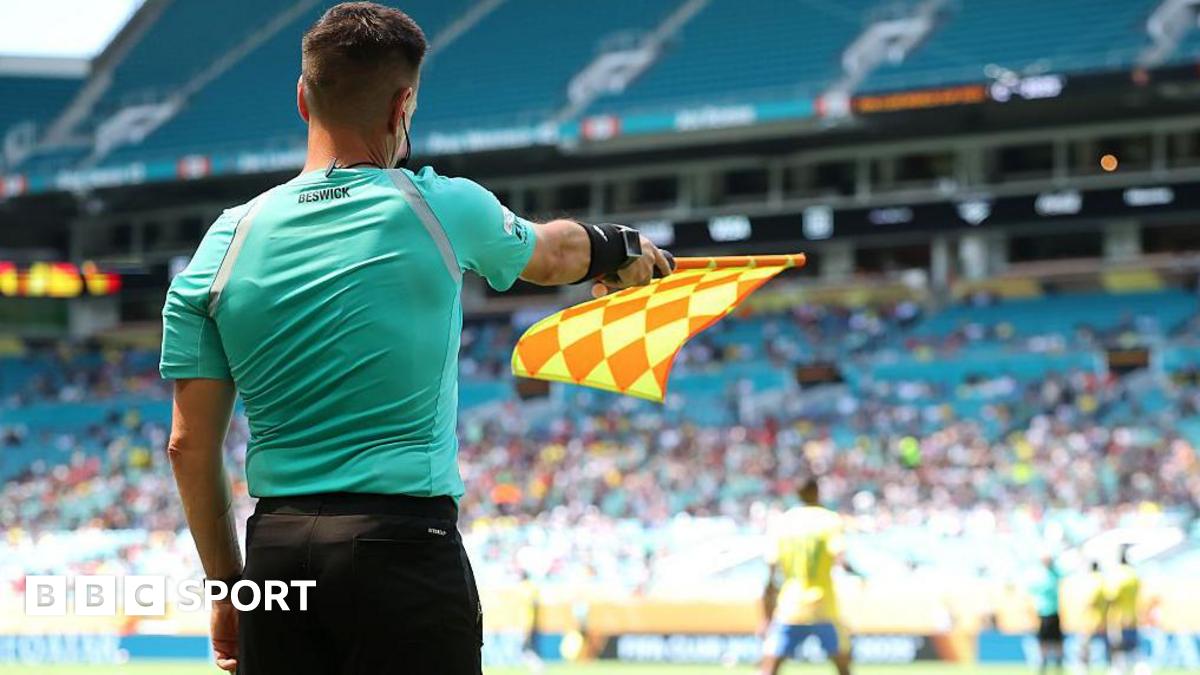
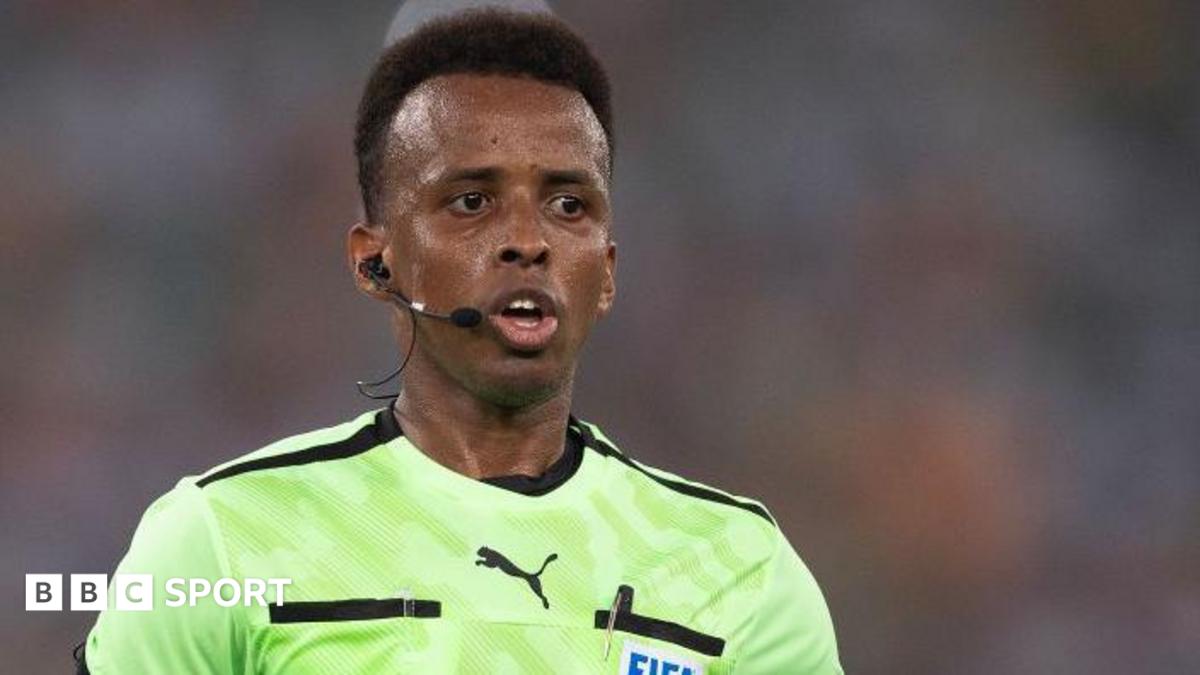
The decision to appoint Somali referee Omar Artan to the Uefa Super Cup is a landmark moment of progress in officiating. As the BBC reported, Artan was excluded from the World Cup circuit, yet he retained his form to earn this high-profile appointment. It is rare for a referee to rebound from international snubbing so effectively. This inclusion signals that meritocracy is finally beginning to influence high-level referee selection more than old-school political inertia.
Honorable Mentions
The 1970 World Cup Final where Brazil perfected the 'Joga Bonito' style against Italy, and the 2010 World Cup semi-final where Luis Suarez stopped a goal with his hands against Ghana. Suarez’s decision drew massive fire for his lack of sportsmanship, but it changed the tactical outcome of that entire tournament. These moments define the sport's high-stakes nature and its occasional failures of character.