The changing reality of club hierarchy
The 2026 pre-World Cup cycle has delivered a series of moves that have fundamentally shifted how Premier League teams build their squads. From tactical departures to aggressive defensive scouting, these moments define a transition period for European football.
10. Kieran McKenna's total exit
Kieran McKenna walking away from Ipswich Town weeks after a historic promotion is the most bizarre departure of the decade. He had just solidified their tactical blueprint for the Premier League campaign. Instead of riding the momentum of his success, he chose immediate retirement from coaching roles. This leaves a newly promoted side scrambling for identity on the eve of the window.
9. Manchester United scouting Lewis Hall
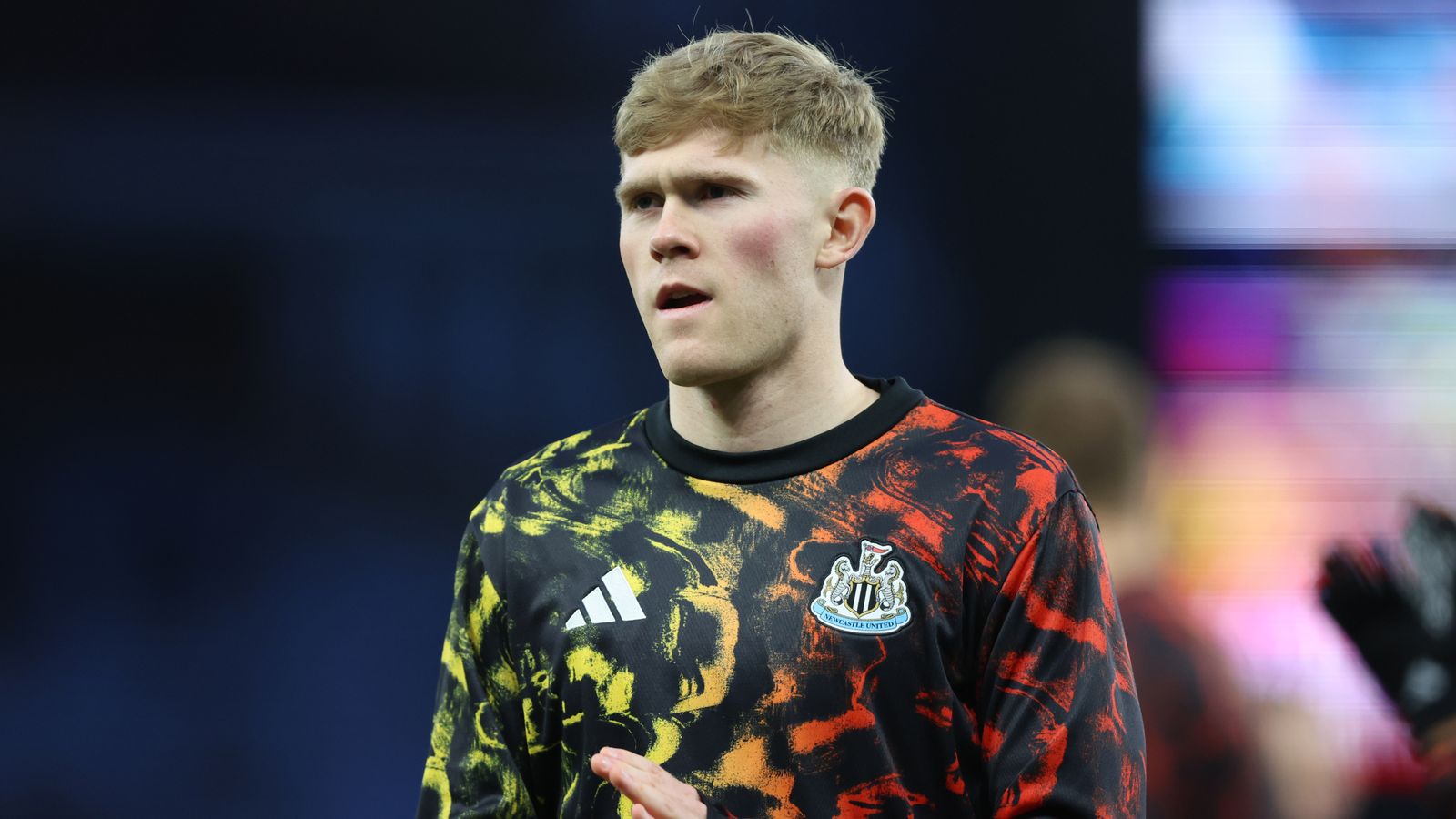
Old Trafford scouts are currently prioritizing young defensive profiles to solve their persistent left-back issues. As reported by Sky Sports, Lewis Hall has emerged as a primary target for the club. It highlights a pivot toward development-heavy recruitments. This move is speculative but underlines a desperation for depth.
8. Antonee Robinson enters the frame
Alongside Hall, Antonee Robinson has been identified as a tactical alternative for the left side of the defense. Robinson brings Premier League experience and verticality that United currently lacks in transitional play. The club is clearly diversifying their risk by tracking multiple profiles at once. It marks a shift away from overpaying for older, established stars.
7. The 2026 World Cup fitness crisis
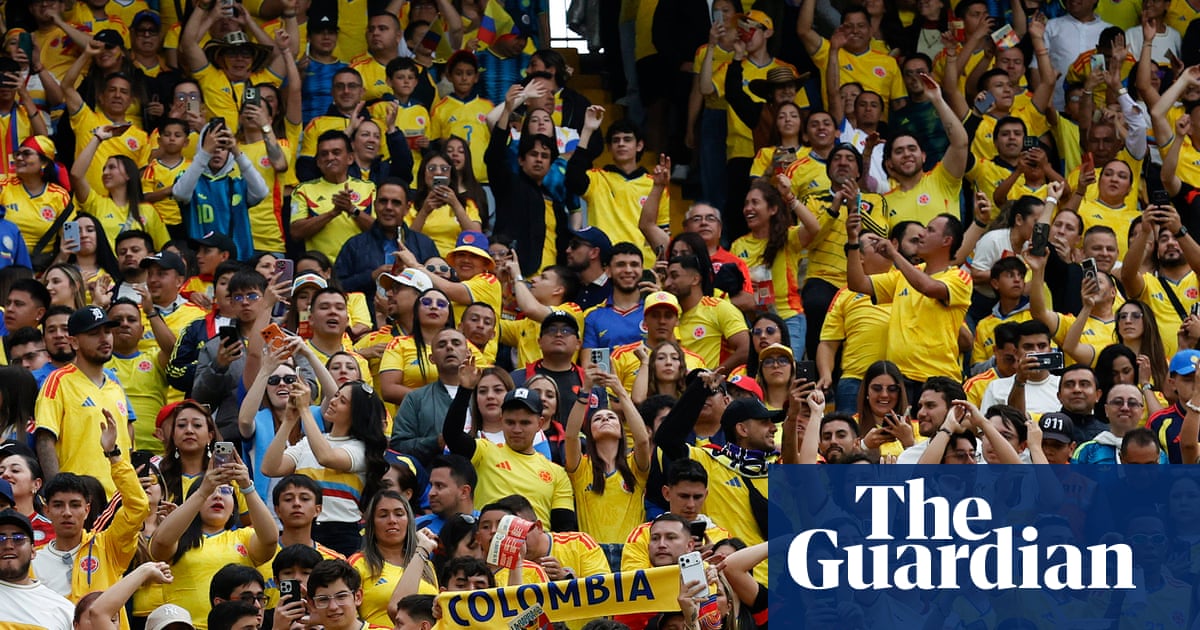
Today marks the kickoff of the 2026 World Cup, but the reality is grim. Domestic leagues finished in late May, leaving players with almost zero recovery time. Managers are currently reporting an alarming rate of soft-tissue injuries across national training camps. It suggests the product on the pitch will lack peak intensity early on.
6. Ipswich Town's tactical vacuum
The fallout from McKenna's departure extends beyond just one man walking away. The recruitment strategy that brought the club to the top tier was heavily reliant on his specific vision. Without him, the board risks wasting the momentum generated by their promotion season. Recent management history suggests these transitions rarely result in immediate top-flight survival.
5. Manchester United seeking secondary goalkeeping
Reliability behind the starting keeper has been a chronic issue at United. The internal monitoring of potential back-up signings aims to prevent the total point loss seen during injury spells. It is a tactical necessity, though fans remain skeptical that it addresses the bigger roster holes at midfield. The club is moving to fix the bench before addressing the starting XI.
4. The condensed international schedule
FIFA scheduling has forced a conflict between player welfare and commercial demands. The exhaustion from league campaigns is now impacting roster availability for opening matches. Elite squads are down to their third and fourth-choice depth players before the tournament begins. It is an indictment of the current international calendar.
3. The search for a defensive anchor
The desperation at Manchester United to fill the left flank suggests a lack of faith in current internal options. Tracking Robinson and Hall represents an admission that the existing roster is insufficient for a top-four push. This search reveals the heavy internal pressure on recruitment staff. They need an instant impact signing to appease a frustrated supporter base.
2. The failure of administrative planning
The physical fatigue plaguing World Cup athletes is a direct result of poor governing. Pushing players from club final whistles to international kickoffs in three weeks is a recipe for long-term health issues. The tournament looks headed for a defensive slog rather than a showcase of offensive talent. This is a massive failure of organizers to manage the physical workload of professionals.
1. The managerial coaching shortage
McKenna leaving Ipswich is the symptom of the larger coaching retention crisis. Top clubs are losing their tactical architects to burnout or burnout-induced sabbaticals. It leaves the market thin and talentless for teams facing immense league-entry pressure. Managing in 2026 is becoming a thankless task that even successful coaches are now choosing to abandon entirely.
Honorable Mentions
- The ongoing search for reliable squad depth across high-spending European giants.
- The lack of preparation time for nations entering the tournament under new interim managers.
- The declining average fitness level of veteran international squads following the 2026 club season schedule.