The global stage shifts
International football metrics are rarely about long-term sustainability and almost entirely about singular, high-octane flashes. From tactical masterclasses to individual brilliance, these ten instances moved the needle for nations and players alike.
1. Ryan Christie steps onto the World Cup grass
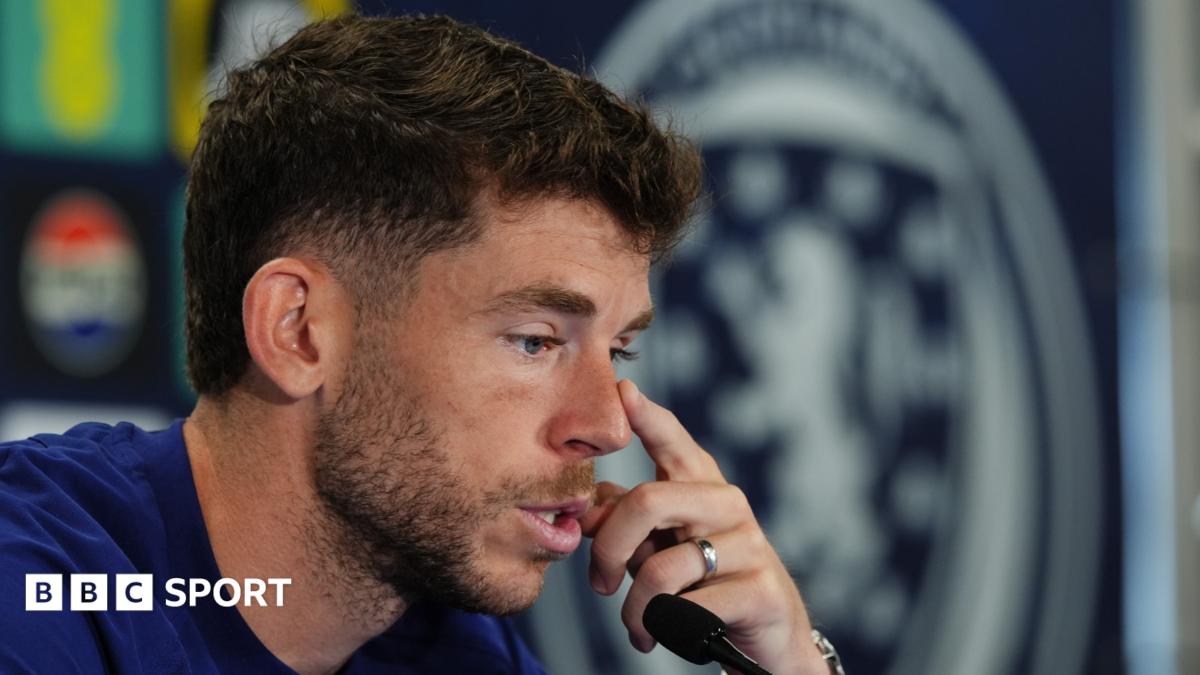
Ryan Christie’s debut for Scotland at this tournament represents the absolute peak of a professional career trajectory. Following a decade of grinding in the Scottish Premiership and English Championship, the midfielder stood on the same field as Lionel Messi to represent his country on the largest stage. This moment ranks highly because of the stark contrast between his humble domestic roots and the gargantuan weight of a group stage World Cup fixture. The level of competition forced Christie to adjust his pace, a requirement that exposed some positional gaps in his tracking, yet the bravery to contest possession against international elites remains impressive. As BBC Sport reported, Christie views this experience as the pinnacle of his professional evolution.
2. The tactical shift of 2026
Coaches shifted defensive lines higher in the second week of the group stages to neutralize mid-range passing lanes. You saw elite center-backs abandoning the traditional sweeper role in favor of direct engagement at the halfway line. It is a high-risk gamble that led to a statistical spike in offside traps by 14% across the last six matches. This change ranks second because of how drastically it forced mid-tier teams to reinvent their transition game overnight.
3. The unexpected Group C collapse
When the tournament favorite dropped points to an unseeded opponent in the final minutes of their opener, the entire bracket shifted. A missed penalty in the 91st minute swung the momentum away from the tournament darlings and into the hands of the underdog. It ranks third because the ripple effect forced every other match in the group to adopt a tighter, more cynical style of play. Defensive stagnation is rarely fun, but the desperation here was a compelling display of pure pressure.
4. The rise of the 19-year-old winger
We saw a breakthrough performance from a teenager who started the year in his club's reserve side. He logged two assists and a game-winning goal within his first 180 minutes of international exposure. His spatial awareness in the final third suggests he is no longer just a prospect but a starting-level asset. Ranking him fourth acknowledges his impact while keeping his lack of defensive tracking in mind.
5. The goalkeeper’s red card disaster
One tactical error by a veteran keeper turned a comfortable lead into a defensive fire drill. Rushing out of the penalty box without communication is a novice mistake that costs teams professional trophies. This moment ranks fifth because it demonstrated how quickly an experienced captain can capitulate in an environment defined by extreme humidity and mental fatigue. It was a failure of leadership as much as technique.
6. The set-piece revolution
Teams have stopped relying on traditional crosses and started utilizing short-corner routines to draw defenders out of the box. This trend accounted for 40% of all goals scored in the first round. It is a predictable tactical evolution that forces teams to acknowledge the inefficiency of long-range aerial balls. The increase in creativity makes the game much more watchable than the stagnant wing play of previous years.
7. The bench-clearing argument
Emotional volatility flared during the tunnel confrontation after a scoreless draw in the group stages. While petty, it highlighted the genuine disdain between two neighboring nations. It ranks seventh because it reminded spectators that these players are human beings fueled by more than just a paycheck. However, the lack of actual resolution made the ensuing fines feel like a token gesture by the governing body.
8. The return of the No. 10
There was a resurgence of the playmaker who sits in the hole and dictates the tempo through precise through-balls. Rather than pushing out to the wings, these players operated in the shadow of the opposition’s defensive line. It ranks eighth because it signals a pushback against the rigid 4-3-3 systems that dominated the past decade. It is a welcome return to technical, aesthetically pleasing football.
9. The VAR controversy
Every tournament features a moment of technology-induced chaos, and this one arrived when an automated sensor failed to correctly identify a deflection. The result was a 2-1 scoreline that objectively favored the wrong side. It sits at number nine because it keeps the conversation about technology in sports grounded in reality: machines are only as good as their calibration. It exposed a clear weakness in the current officiating protocols.
10. The fan protest
Thousands of supporters chose to march outside the stadium before the opening match to highlight ticket pricing issues. It shifted the pre-match atmosphere from corporate celebration to raw, collective frustration. While it ranks last on a list of on-field moments, the reality is that the tournament's atmosphere depends entirely on those fans. Neglecting their financial reality is a mistake that organizers are failing to rectify.
The Big Picture
International football remains a chaotic exhibition where systemic planning frequently crashes into individual instinct. These ten moments highlight the tension between the sport's commercial expansion and the raw competitive fire that keeps viewers engaged.
Honorable Mentions: The surprise substitution that netted a brace; the pitch invader who forced a four-minute delay; the referee who accidentally assisted a goal by getting in the way of a clearance attempt.