The Anatomy of Defensive Resilience
Modern football at the 2026 World Cup has become a war of attrition where high-press systems constantly collide with low-block stubbornness. This list ranks the most defining performances where teams fought against tactical adversity to secure results.
10. England vs. Croatia (2026 World Cup)
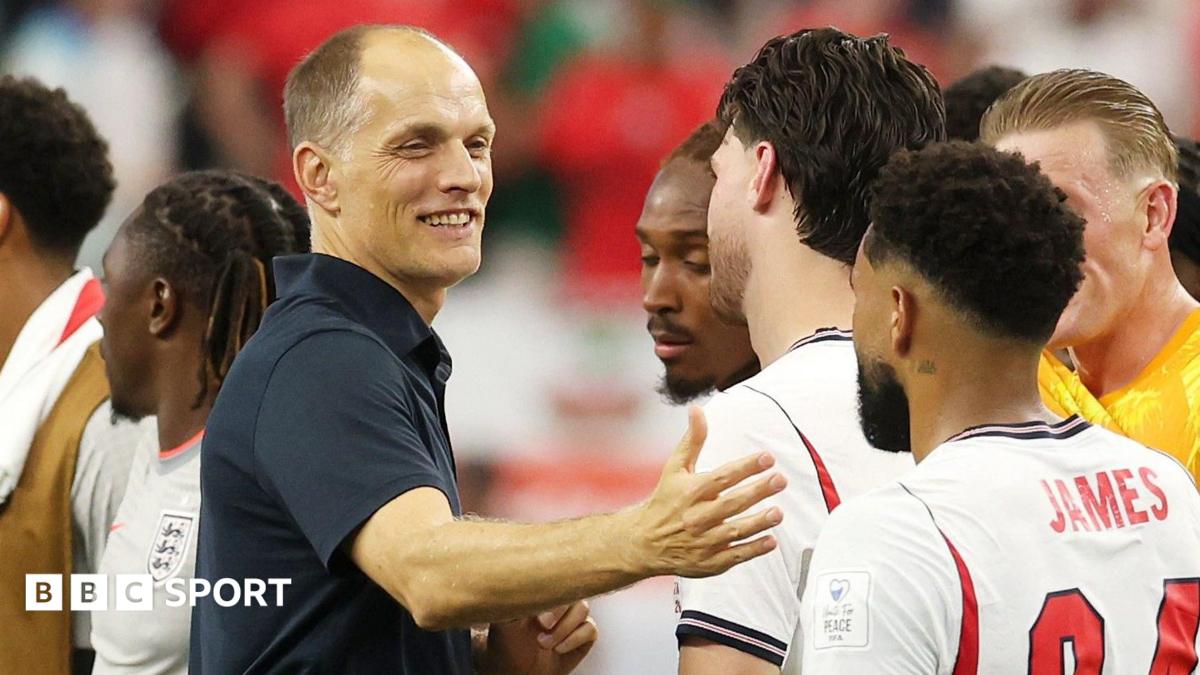
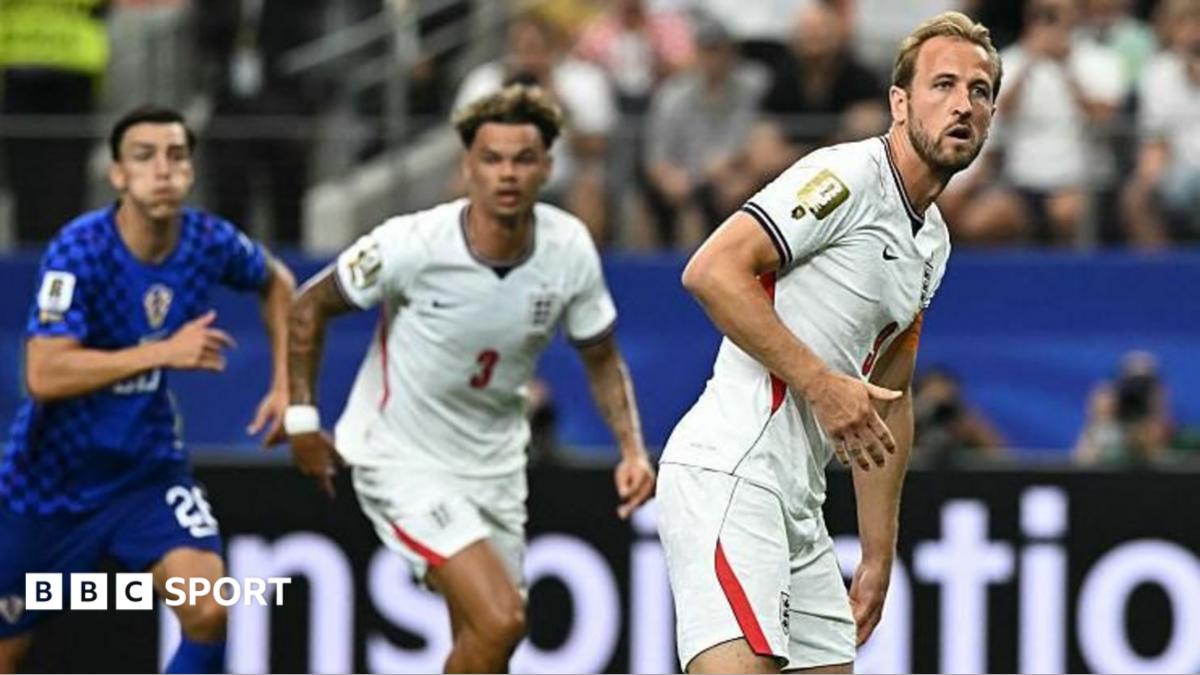
England’s 4-2 victory in Group L showcased an elite transition game that overwhelmed the Croatian midfield. While the attacking output was clinical, The Guardian reported that Thomas Tuchel’s side looked frighteningly fragile at the back. It earns the final spot because, despite the scoreline, the defensive lapses against a veteran Croatian attack suggest a ceiling for this team.
9. The Penalty Retake Drama
Harry Kane’s opening goal against Croatia was a masterclass in psychological persistence. Forced to retake by VAR, the England captain demonstrated extreme mental fortitude under global scrutiny. As reported by the BBC, this moment served as the catalyst for England’s eventual dominance.
8. Rashford’s Second Half Impact
Marcus Rashford entered as a substitute to confirm the 4-2 win, effectively killing off the contest. His arrival shifted the tempo against a tiring Croatian unit that had spent the first hour successfully stifling English creativity. This confirms that Tuchel’s bench management remains a primary weapon for tournament progression.
7. Tactical Discipline in the 2026 Qualifiers
Teams sitting in a mid-block against heavy-possession favorites have defined the current cycle. The ability to bypass that block via quick switches is the difference between a draw and a win. This is why teams failing to utilize width against low-density zones are currently struggling in international charts.
6. The High-Press Failure
High defensive lines, while visually appealing, have been punished repeatedly by pacey strikers this summer. When a team fails to adjust their press, opponents are finding easy vertical passes between the central defenders. It is a fundamental error that sees technically inferior sides creating high-quality chances.
5. Individual Flashes vs. Team Structure
Relying on a 30-yard wonder strike usually masks deep-seated tactical issues. Coaches are increasingly frustrated by players who abandon the game plan when chasing a goal after the 70th minute. This volatility makes for great television but poor tournament longevity.
4. Midfield Overloads
The standard 4-3-3 is dying against teams that force a 4-4-2 diamond conversion. By sacrificing one wide player, managers are winning the midfield battle against opponents who refuse to compress their space. It is a chess match where the first movement usually dictates the outcome.
3. Clinical Efficiency
Converting two goals from three chances is the hallmark of a champion. This stat has separated the elite from the also-rans throughout the opening week of the 2026 World Cup. Efficiency remains the only metric that truly honors the difficulty of breaking down stubborn defenses.
2. The VAR Interference
Video officiating has turned every penalty box entry into a minefield of potential bookings. This has forced defenders to drop deeper, inadvertently giving the attackers more room to operate outside the box. It is a counter-intuitive outcome that has altered the game more than any rule change in a decade.
1. The Defensive Frailty Paradox
Top teams are trading reliable defense for offensive output, making every match a high-variance affair. While fans enjoy the result of a 4-2 scoreline, the long-term viability of this approach against knockout-stage heavyweights is highly questionable. It is the defining topic of the tournament right now.
Honorable Mentions
Late adjustments in stoppage time and the increasing reliance on set-piece specialty coaches have created a fascinating tactical sub-culture. Teams currently struggling to secure clean sheets against bottom-tier opposition are already being flagged by analysts as the likely first-round casualties.
Read Next
- Top 10: The Most Defining Moments in Modern International Football
- Top 10: Defining Moments of the 2026 Season
- Why World Cup hydration breaks are ruining the beautiful game
- Top 10: Defining Football Moments of the 2026 Season
- 🏆 World Cup 2026 — Full Coverage Hub
- 🏴 England World Cup 2026 — Three Lions Hub