Tactical friction in the Pacific Northwest
The 2026 World Cup momentum machine lands in Seattle for a Group D showdown that feels more like a tactical gauntlet than a standard group game. Australia and the United States both sprinted through their opening fixtures, but the reality of their stylistic clashes is about to hit the turf at Lumen Field. The Socceroos have built their identity on a high-pressing block that minimizes space between the lines.
The United States operates with a wider, more fluid transition game that relies on stretching the pitch horizontally. If Australia wants to disrupt this rhythm, they need to suffocate the American wing-backs early. It is a classic battle of attrition versus velocity. Whoever controls the transition speed during the first thirty minutes will likely set the tempo for the entire afternoon.
The Irankunda factor
Much of the chatter surrounding the Socceroos centers on Nestory Irankunda. At 20 years old, he arrived in the United States with heavy expectations, yet his role has remained curiously restricted to late-game cameos. Coaches often hesitate to throw youth into the fire against a disciplined wall like the US midfield, but holding him back risks stagnation.
If the game hits a deadlock around the 60th minute, that is when the dynamic needs to flip. Irankunda provides a verticality that the current starting eleven lacks when fatigued. Failing to rotate him into a higher-leverage spot creates an efficiency gap, much like the CEO-Bench report identified in static agent evaluation: the potential is there, but the environmental stimulus is missing.
Defensive vulnerabilities and the cost of ball-watching
Both managers are dealing with an identical issue: the tendency for defensive lines to drift when the ball enters the final third. We keep seeing the same mistakes in modern technical analysis regarding robotic defensive positioning; when teams watch the player rather than the space, they become liabilities. The US backline has shown lapses in concentration under pressure, while the Australians have struggled to track lateral runs by deep-lying playmakers.
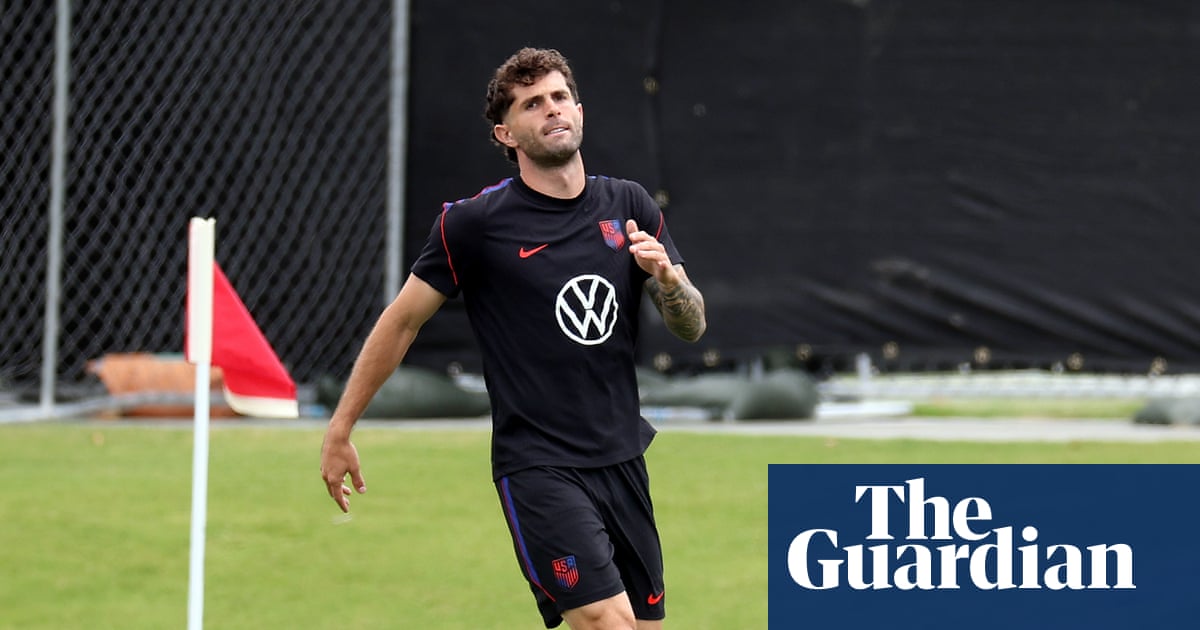
As The Guardian reported, both teams must sharpen their communication to survive the knockout mathematics of Group D. Relying on sheer physical output is not going to cut it when playing every few days. The intensity of the Seattle crowd will be a factor, but mental errors are the true danger.
The prediction: A cagey stalemate
Expect a match decided by a single piece of individual brilliance or a catastrophic unforced error. The Americans have the edge in familiarity with the home terrain, but the Socceroos have a sting in the tail that refuses to quit. I anticipate a draw, likely coming in at a 1-1 scoreline if both defenses hold their structure.
If the game drags past the hour mark without a lead for either side, expect a total breakdown in tactical discipline. That is when the chaos begins, and that is when I expect the game to be won or lost. My money is on a late goal in the 83rd minute tilting the scale toward the visitors, causing a massive upset in the Seattle rain.
Read Next
- Pulisic's injury cloud creates a tactical headache for Pochettino
- Colombia showed Uzbekistan why tournament experience is everything
- Uzbekistan are the World Cup's biggest mystery
- Erling Haaland has finally arrived on the biggest stage of all
- 🏆 World Cup 2026 — Full Coverage Hub
- 🇦🇺 Australia World Cup 2026 — Socceroos Hub