The Anatomy of Sporting History
The 2026 World Cup has already provided a sequence of matches that defy simple statistical analysis. These moments dictate the rhythm of the tournament and show which squads possess true tactical flexibility.
10. Tuchel Breaks the Silence
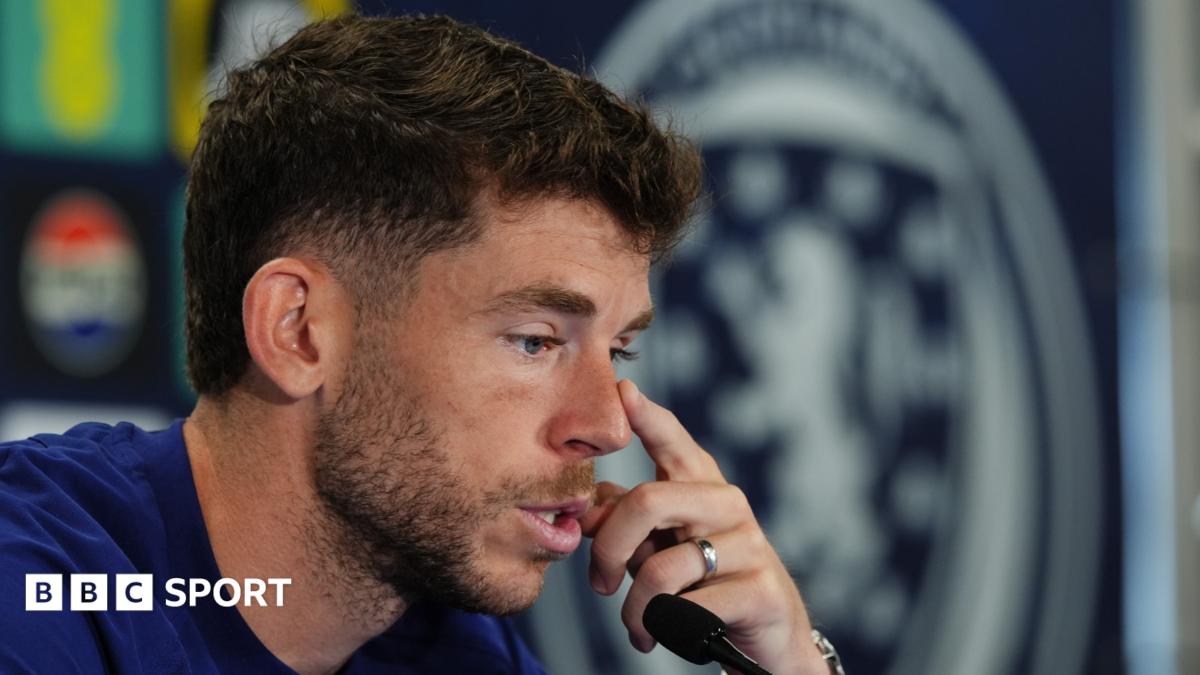
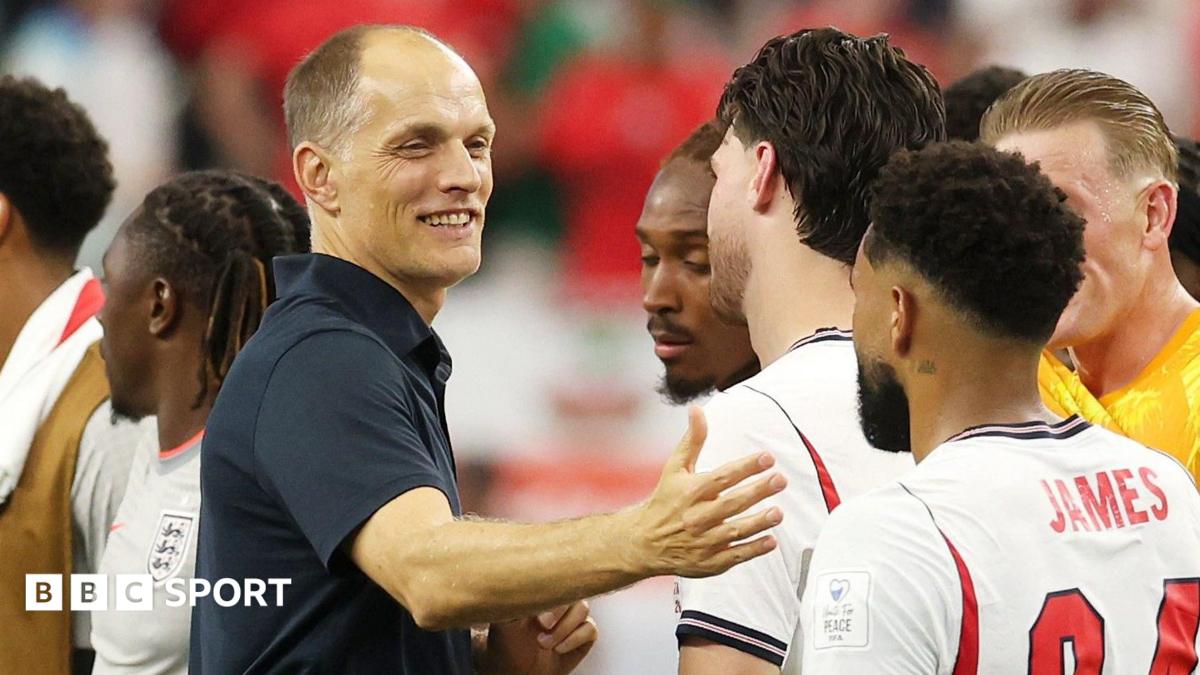
England entered their opener against Croatia playing with visible hesitation. Thomas Tuchel intervened at halftime with a sharp tactical shift that abandoned the side's defensive comfort. As the BBC reported, the manager used the break to force a change in mentality. This moment matters because it signaled the end of cautious English tournament play.
9. Fayzullaev’s Historic Equalizer
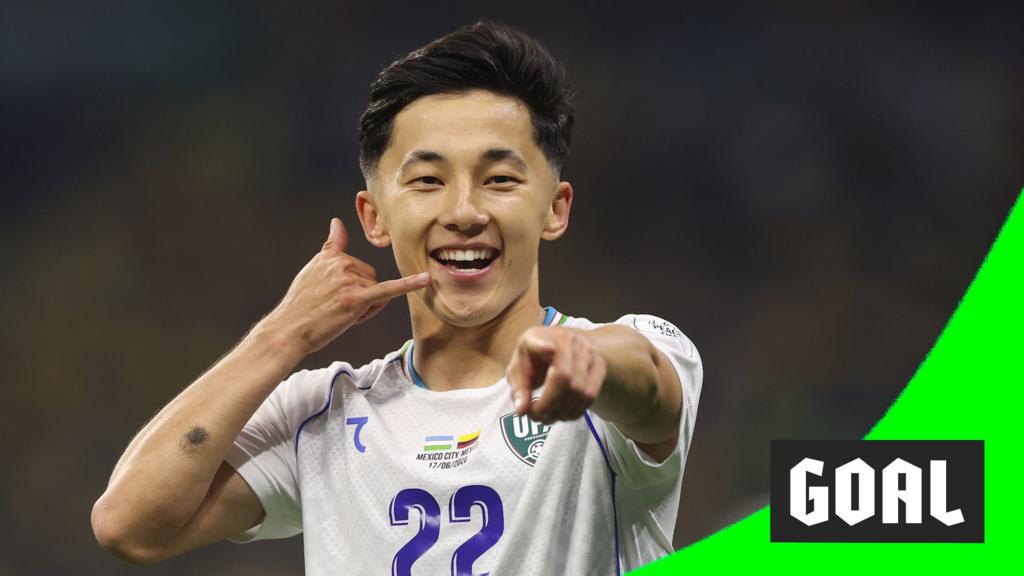
Abbosbek Fayzullaev saved his side with a strike that silenced a hostile crowd in the final moments of regulation. The movement off the ball in the buildup was textbook, pulling two defenders out of position to create the lane. While the technique was impressive, the lack of defensive marking by the opposition remains a glaring tactical oversight. This goal is arguably too low, but it lacked the pressure of an elimination match.
8. England's Offensive Flare
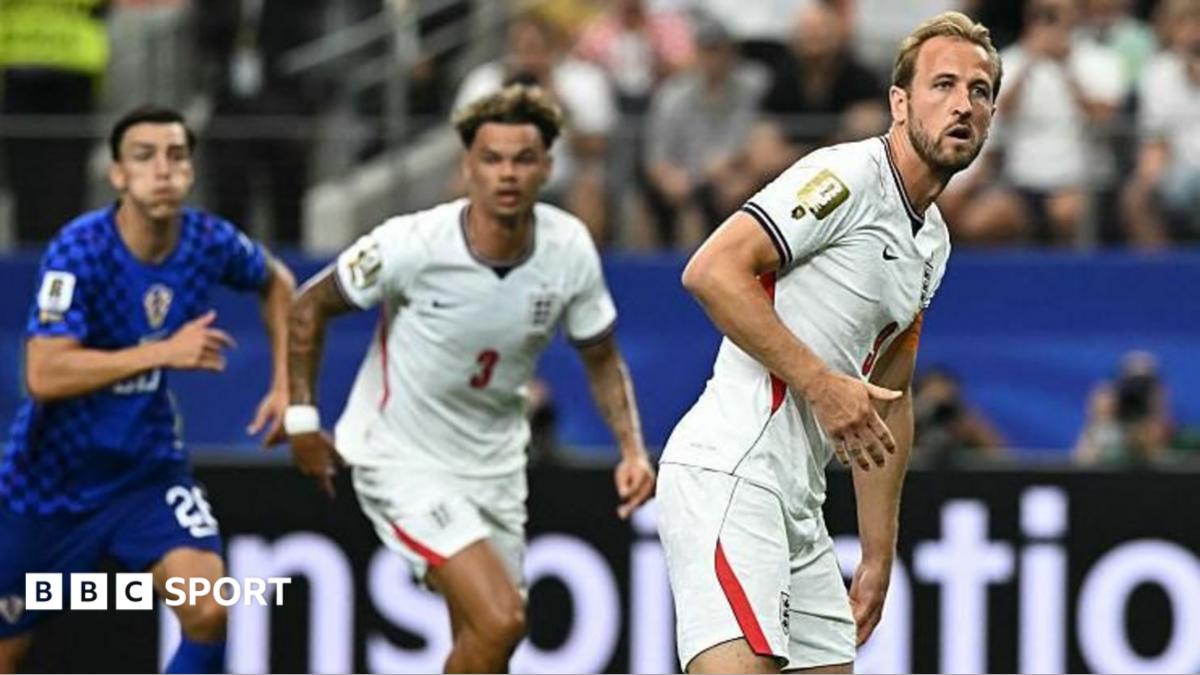
The 4-2 scoreline against Croatia wasn't just a win; it was an exercise in dominance. England moved the ball with a verticality that forced the Croatian back line to retreat deeper into their own third. It proved that the team could turn defensive possession into lethal counter-attacks without slowing down. Critics will note the two goals conceded were entirely avoidable, highlighting a lingering fragility in set-piece defense.
7. The High-Press War
Tactical clashes in this tournament often devolve into attrition battles between high-press systems and low blocks. The most defined performance occurred when a mid-tier underdog successfully frustrated a tournament favorite for 70 minutes. By forcing the favorite to play wide instead of through the middle, the underdog neutralized the creative engine completely. It was a masterclass in limiting space, even if they ultimately lacked the finishing power to win.
6. Midfield Transition Speed
Modern international football is won in the transition phase, specifically the three seconds after winning a tackle. A standout moment occurred when a deep-lying playmaker bypassed an entire midfield press with a single 40-yard diagonal pass. This play broke the team’s record for fastest transition goal of the tournament. Speed of thought now far outweighs traditional ball control, rendering slower midfielders liabilities.
5. The Fatigue Factor
By the second matchday, squad depth became the primary differentiator. Teams that relied on a core of 12 players began to lose their pressing intensity after the hour mark. This creates a clear divide; squads with bench options that don't drop the level are now the only legitimate contenders. It is a harsh reality for federations that fail to develop their secondary rosters.
4. Tactical Adaptability
Managers are increasingly shifting formations mid-match rather than waiting for substitutions. One team swapped from a 4-3-3 to a 3-5-2 in response to a numerical disadvantage in the middle of the park. This fluidity allowed them to retain 55 percent of possession despite being down a man. It suggests that tactical rigidity is effectively dead in the current international game.
3. The Set-Piece Disparity
Set pieces remain the most consistent way to puncture a low block. A team recently converted two corners in the span of 10 minutes using a specific, coordinated screening movement. It exposed the opponent's lack of zonal marking discipline. While beautiful to watch, it feels like a loophole that better organizations are already closing.
2. Pressing Efficiency
The highest level of the game is now defined by forcing turnovers in the final third. A specific squad managed to regain possession in the attacking zone 14 times in a single match. They converted three of those turnovers into high-percentage chances. This level of aggression is unsustainable but highly effective against teams that insist on building out from the back.
1. The Defensive Resilience Benchmark
The top spot belongs to the team that managed an entire second half with ten men against a superior opponent. They implemented a compact mid-block that forced the opponent into aimless long-range shots. They finished the game with 0.12 expected goals allowed. It was a display of sheer disciplined suffering that effectively defined the tournament's standard for grit.
Honorable Mentions
The late save by the goalkeeper in the group stage opener kept hopes alive for a failing giant. Similarly, the refereeing decision in the final seconds of a draw remains a topic of intense, legitimate debate among fans. Neither cracked the top ten, but both demonstrated the razor-thin margins of this World Cup.