The defining moments of the season
The 2025/26 season has been defined by tactical shifts and strained relationships in dressing rooms across Europe. This list ranks the moments that moved the needle, prioritizing impact over viral appeal.
1. Liam Rosenior navigates the Fernandez fallout
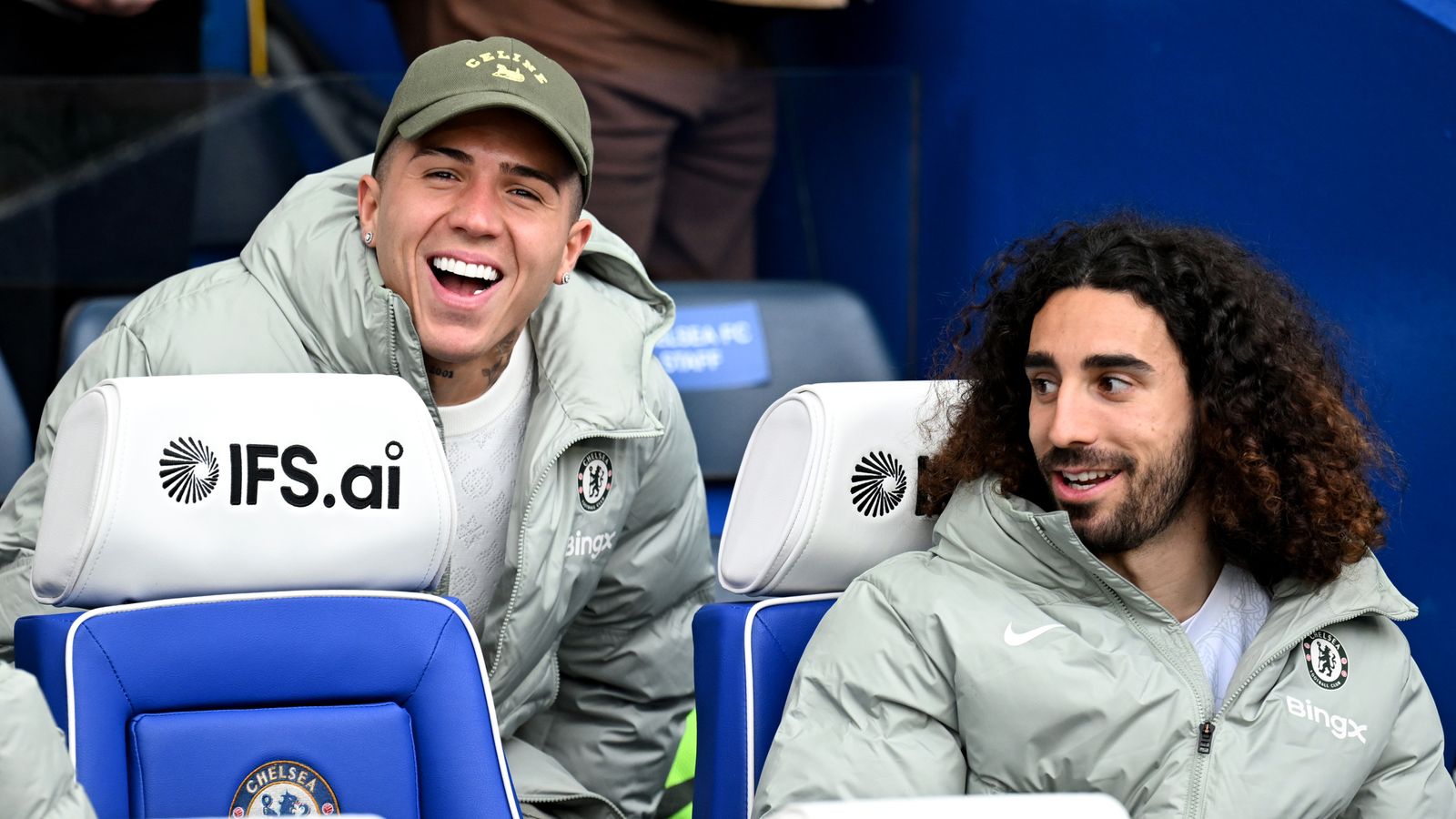
Chelsea manager Liam Rosenior recently insisted his relationship with Enzo Fernandez is in a good spot despite the midfielder being dropped following persistent transfer rumors. This moment takes the top spot because it exposes a major organizational weakness at Stamford Bridge. Managing high-value assets requires more than just benching them. As Sky Sports reports, the disconnect between management and squad remains a primary concern for supporters.
2. Manchester United's aggressive summer shift
The decision to pivot toward heavy investment in the midfield is the boldest move for the upcoming transfer window. United’s current squad is struggling with rotation, and the reliance on aging legs is no longer sustainable. If they fail to hit these targets, the strategy will look like a repeat of past failures. Details on the club's scouting pivot show they are finally acknowledging their depth issues.
3. Milan Lab’s injury crisis management
AC Milan has spent the latter half of the season grappling with muscle fatigue and a paper-thin roster. While qualification for the Champions League is all but locked in, the lack of quality depth is an indictment of their recruitment team. Monitoring fatigue levels is one thing, but having a fit squad is another. Their inability to rotate effectively could cost them in the final stretch.
4. The Champions League quarter-final draw
The scheduling of the April 7 fixtures signals the true beginning of the elite knockout phase. Clubs have spent months positioning themselves for this exact week. The pressure on managers to deliver during these 180-minute battles defines their tenure. Any slip-up now invalidates the results achieved in December.
5. Rotation failures in the top-four race
Several high-profile clubs have failed to integrate their bench players, leading to predictable fatigue. When managers force the same eleven players to start three games in eight days, the dip in intensity is obvious. Relying on starting quality to solve fatigue is a lazy tactical choice. This trend has stripped the excitement out of mid-week domestic fixtures.
6. The January window fallout
Looking back, the failure to secure secondary targets in January is harming teams right now. Clubs that sat on their hands are now nursing injuries that proper squad planning should have accounted for. It is the most preventable error in modern football management. Those who didn't invest in backups are paying the price.
7. The tactical adaptation surge
High-pressing systems are encountering more effective low-block counters this season. Teams have adjusted their defensive shapes to deny space in the final third. Seeing elite managers struggle to break down lower-table setups shows a lack of tactical utility. Some are too stubborn to switch from their preferred blueprint.
8. The rise of fatigue-linked injuries
Medical data suggests a spike in non-contact soft tissue injuries compared to last season. This isn't just bad luck; it’s a failure of load management protocols. Clubs prioritizing commercial tours over player health are seeing their results tumble. The evidence is on the training pitch every Tuesday morning.
9. The influence of set-piece coaching
The number of games settled by dead-ball situations has reached a record high this spring. Teams are hiring specialists specifically for corners and wide free kicks, shifting the balance of power. It’s an effective, if cynical, way to steal points against better opposition. Boring, but efficient.
10. The April schedule congestion
With games coming every four days, the depth of a squad is now the only metric that matters. Every team on this list is a few absences away from a complete collapse. It’s a survival test rather than a showcase of skill. Fans deserve better than tired legs in late-season matches.
Honorable Mentions
The improved consistency of VAR intervention in offside calls is a small, quiet positive. Conversely, the continued reliance on legacy players who clearly lack mobility is a negative trend that deserves more scrutiny from pundits.