The Big Picture
The 2025/26 football season has been defined by rapid shifts in power and personnel. These ten moments capture the volatility required to reach the pinnacle of the sport during a campaign marked by high-stakes departures.
The Ranking
10. Salah's contract impasse
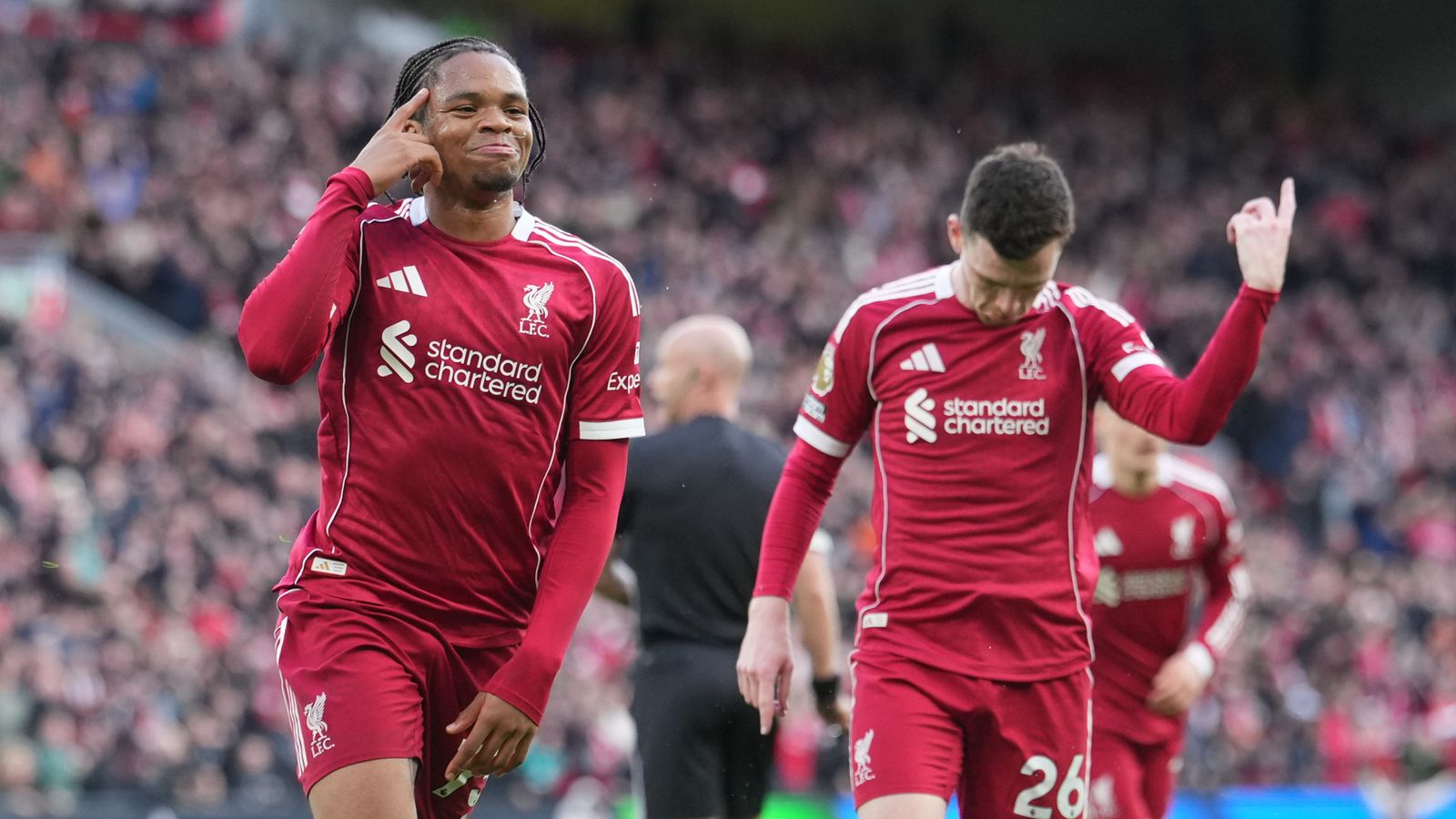
Mohamed Salah deciding to leave Liverpool at the conclusion of this campaign created a massive void in the attacking third. While critics point to his waning production during the winter months, his departure signals a total reset for the Anfield forward line. As Arne Slot recently stated, observers should be cautious with assumptions regarding the motivation behind his exit. It ranks tenth because the drama felt more like a slow burn than a shock.
9. Slot vs. The Press
Arne Slot’s public defense of his squad management regarding Salah sits here because it highlighted a fractured dynamic between veteran stars and incoming philosophy. The manager went on a defensive run at media availability last week, insisting the narrative around his rotation policy was manufactured by outsiders. It was a rare instance of a coach losing his composure under the scrutiny of an aging superstar. The tension was undeniable, even if the football results remained acceptable.
8. The winter transfer window stagnation
Most clubs opted to keep their powder dry until the summer, leading to one of the most boring January windows in recent memory. By refusing to bolster depth ahead of the Champions League run-in, teams essentially gambled on avoiding muscle injuries. This inertia represents a failure of ambition. Squads that sit on the bubble for European qualification will likely point to this inactivity as the reason for their collapse.
7. The surprise emergence of midfield youth
Every league has seen teenagers usurp senior pros this season, shifting the valuation of veteran holding midfielders. These prospects aren't just filling minutes; they are starting in high-pressure matches with a composure that defies their age. Their rapid ascent has effectively ended the careers of several once-guaranteed starters. This trend proves that experience is quickly becoming a secondary asset compared to pure technical acceleration.
6. The tactical shift to narrow interiors
The obsession with wide forwards has faded as managers prioritize crowding the half-spaces and forcing play through the central channel. This tactical migration has neutralized traditional wing-backs, forcing a return to full-backs who act as secondary midfielders. It requires intense stamina and awareness, making the traditional box-to-box template nearly obsolete. Watching top-tier teams struggle to adapt to this congestion has been the primary tactical storyline of 2026.
5. The increased refereeing transparency
The decision to allow post-match audio releases from VAR rooms was a massive win for fans, even if the implementation remains inconsistent. Hearing officials justify their calls in real-time has stripped away the myth of the perfect arbiter. We now see the human errors with total clarity. It has made the game more honest, though it has invited more criticism of specific governing bodies than ever before.
4. The Champions League format adjustment
Adapting to the new league-style group phase tested the stamina of every club involved. Managers were forced to rotate squads more aggressively than in past years, creating strange results across October and November. The fatigue is palpable in the league tables today. With the quarter-finals approaching on April 7, the teams that managed their energy best are finally surfacing as favorites.
3. The decline of the high press
For years, teams were coached to blitz the opponent in the final third, but we have seen a massive move back toward mid-block compactness this season. Teams have realized that sprinting for 90 minutes is an invitation for counter-attacking goals. The evolution toward disciplined, low-engagement defense has made the league more cautious. It is effectively a chess match now, rather than a street fight.
2. The total dominance of the pressing elite
Despite the tactical shift, a few teams have mastered the art of vertical transition football to an absurd degree. They operate with a level of synchronicity that makes the bottom half of the table look like amateurs. Watching them pick apart a parked bus in under four passes is the best show in sports. They are the standard-bearers for how the modern game should be played.
1. The changing face of Liverpool
The end of the Salah era at Liverpool stands as the most defining feature of this season. It marks the collapse of the trio that defined an entire era of English football. We have reached the 2026 calendar year and the club is fundamentally different than it was twelve months ago. Whether they can rebuild their European pedigree without him remains the story of the next six months.
Honorable Mentions
The rise of unconventional goalkeeping tactics, the record-breaking number of stoppage-time goals across the top five leagues, and the ongoing debate over the 48-team fixture density for upcoming tournaments.