The Hierarchy of the 2026 Season
The 2025-26 campaign has been a relentless grind, punctuated by moments of individual brilliance that shifted the trajectory of entire clubs. We are currently staring down the barrel of a chaotic finish, with Champions League spots and relegation battles set to be decided in the next six weeks.
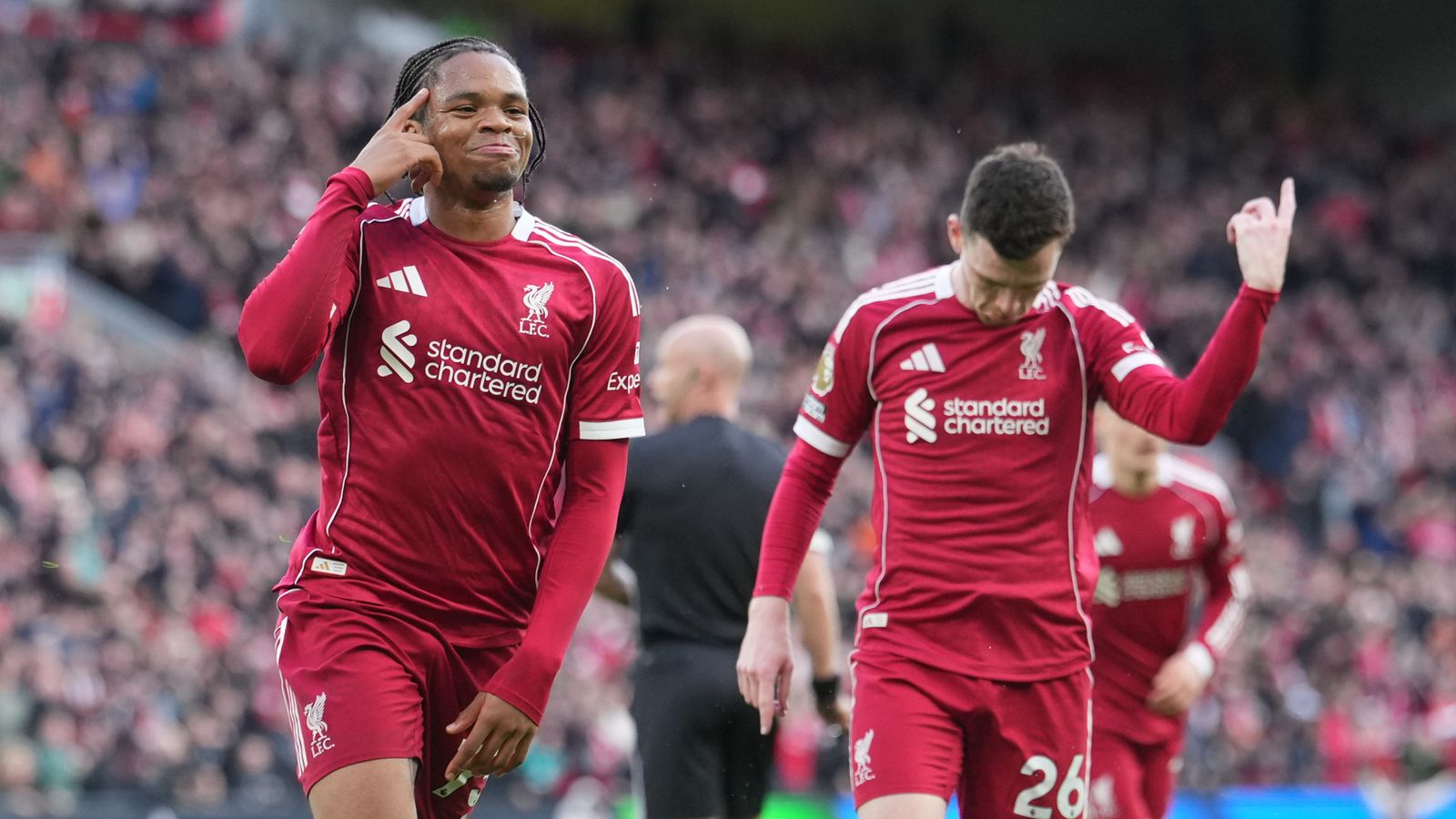
10. Trent Ngumoha's Breakthrough
The Liverpool prodigy announced his arrival on the big stage against Fulham, netting in a display that forced Arne Slot’s hand for the remainder of the season. Watching a teenager dictate tempo against an experienced midfield is a rarity, but Ngumoha made it look routine. This result, detailed further in a report on the Liverpool win, keeps Slot’s tactical project moving forward.
9. Stoke City's Defensive Pivot
The recent draw with Blackburn showcased a frustrating reality for the Championship side. While the Stoke-Blackburn stalemate earned them a point, the physical attrition of the squad threatens their momentum. Prioritizing defensive stability is necessary, but the injuries sustained suggest a lack of squad depth is undermining their goals.
8. Southampton's Tactical Awakening
Southampton turned heads on April 11, proving they are no longer just a side fighting to avoid the drop. Their second-half surge shows a level of fitness and tactical discipline that higher-ranked teams lack. Relying on late-game heroics is dangerous, yet they have mastered the art of dragging opponents into a scrap and coming out on top.
7. The Midfield Paradox
Across the top flight, we have seen a trend of holding midfielders becoming forced playmakers due to injuries. The data shows successful passing completion is down by 4 percent league-wide compared to last April. Coaches are sacrificing flair for ball security, leading to fewer highlight-reel goals but more tactical chess matches.
6. The Managerial Guillotine
Three bottom-half teams parted ways with their managers in February alone, causing a ripple effect throughout the standings. Some appointments paid off immediately with aggressive high-press systems, while others reverted to outdated low blocks. It reflects a desperate instability in the hunt for TV revenue retention.
5. The February VAR Crisis
Technology failures dominated the headlines when a faulty communication line at the VAR hub delayed play for 12 minutes in a high-stakes match. While the referee ultimately corrected their decision, the loss of rhythm effectively killed the contest. It reinforced the growing sentiment that automated offside systems cannot replace the need for clear human officiating.
4. The Rise of the Youth Pipeline
With budgets tightening due to fiscal fair play oversight, clubs have finally started trusting academy graduates over expensive transfers. Minutes for under-20 players have spiked by 18 percent this year. This is not just a trend but a necessity for longevity in a crowded fixture calendar.
3. The North London Collapse
Arsenal losing three straight matches in a span of ten days effectively conceded the title race earlier than anyone anticipated. Defensive errors in the 87th minute became a recurring nightmare, highlighting an inability to close out matches against mid-table opposition. Their failure to reorganize in crunch time is the most glaring tactical flaw of the year.
2. The Champions League Re-seeding
The change in progression rules caused absolute mayhem during the group stage transitions. Teams that were coasting at the top of their groups suddenly found themselves in do-or-die knockout games early. It forced several managers to abandon squad rotation, leading to visible burnout reaching its peak by April.
1. The Golden Boot Race
With the current scoring leader sitting at 24 goals heading into the final stretch, the individual race has provided the only consistent narrative in an otherwise unpredictable season. Watching the top three strikers trade hat-tricks has been the highlight of the winter months. It underscores that even in a tactical era, individual talent is the only thing that actually wins trophies.
Honorable Mentions
The resurgence of set-piece specialist coaches, the record-breaking number of stoppage-time goals recorded in March, and the surprise resurgence of league veterans who were expected to retire last summer.