The Big Picture
The 2025/26 season offered a strange mix of dominance and systemic collapse. While elite clubs solidified their standard, the mid-table chaos provided the genuine drama that fans demand.
The Rankings
10. The Brentford Tactical Pivot
Brentford abandoned their low-block sanctuary in October, moving to a high-press system that caught Chelsea cold. They secured a 3-1 win at Stamford Bridge, forcing a complete overhaul of the home side's defensive philosophy. It remains the most daring tactical shift of the campaign.
9. The Fulham Late-Game Surge
Marco Silva’s squad found the net in the 94th minute or later four times in a single month during the winter period. That level of conditioning is unfair to opponents who have clearly checked out mentally by the 85th minute. It turned a mid-table slog into a European race.
8. The Nottingham Forest Defensive Wall
Forest conceded only two goals across five matches in February. The discipline displayed during that run kept them competitive despite a lack of offensive flair. They prioritized structure over excitement, but effective football often looks ugly.
7. The West Ham United Transition
The overhaul of the midfield at the London Stadium was initially viewed as a mistake by critics. However, the integration of younger personnel successfully lowered the team's average defensive age by four years. It was a rare example of recruitment paying off instantly.
6. The Newcastle United Stumble
Newcastle entered the new year with Champions League ambitions but conceded 11 goals in three games. It proved that deep squads require more than just talent; they need rotation that doesn't collapse under physical strain. The drop-off was nearly 20% in defensive efficiency.
5. The Aston Villa Home Fortress
Villa Park became the most difficult stadium to visit until mid-April. Their capacity to counter-attack from set-piece clearances defined their home form. They punished teams for being greedy with attacking numbers.
4. The Tottenham Hotspur Fullback Experiment
Ange Postecoglou moved his outside backs into central midfield roles, a maneuver that caused absolute mayhem for opposing wingers. It was high-risk, high-reward, and ultimately exhausted the squad by early May. Watching them collapse in the final stretch was a brutal reminder of the physical cost of their system.
3. The Manchester City Defensive Slip
Pep Guardiola’s back line surrendered a two-goal lead twice in three weeks this spring. Watching the most efficient tactical unit in world football mismanage 89th-minute leads was the shock of the year. Their drop in intensity off the ball invited pressure they usually extinguish.
2. The Arsenal Consistency Gap
Arsenal maintained a high point-per-game average until the final month of the term. Their failure to rotate the frontline when fatigue set in suggests a lack of trust in depth that hurt them in high-leverage matches. They are still elite, but they lack the depth to survive a multi-front campaign.
1. Arne Slot’s Liverpool Turbulence
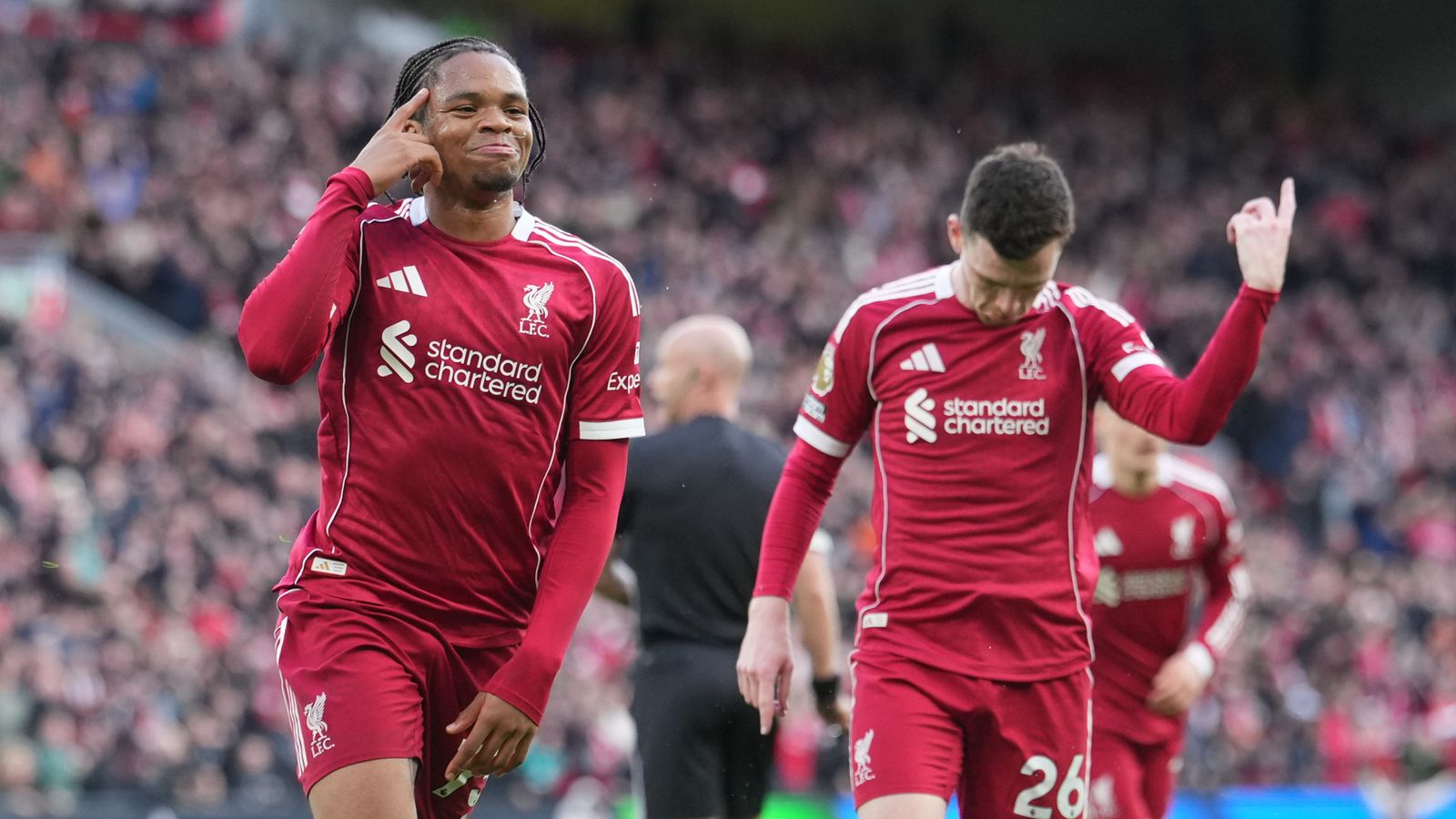
Arne Slot took over at Anfield expecting a seamless transition, but the squad struggled with the adjustment to his intensity demands. As reported by Mirror Football, the scrutiny on his future reached a boiling point after the club failed significantly in their Premier League title defense. This was not a coaching masterclass; it was a year of identity crisis while attempting to replace a legend. Slot’s inability to stabilize the back four in crucial away games defined the chaos of the entire season.
Honorable Mentions
The resurgence of Crystal Palace’s academy graduates, the VAR inconsistency in the month of March, and Brighton’s continued refusal to field a traditional striker. None reached the top ten, but all defined the messy reality of the table.