The Defining Shifts of a Chaotic Campaign
The 2025/26 season has been defined by defensive collapses and tactical shifts that caught giants unprepared. While we prepare for the Champions League semi-finals next month, looking back at the standout moments reveals exactly why some heavyweights have already stumbled.
The Ranking of Defining Impacts
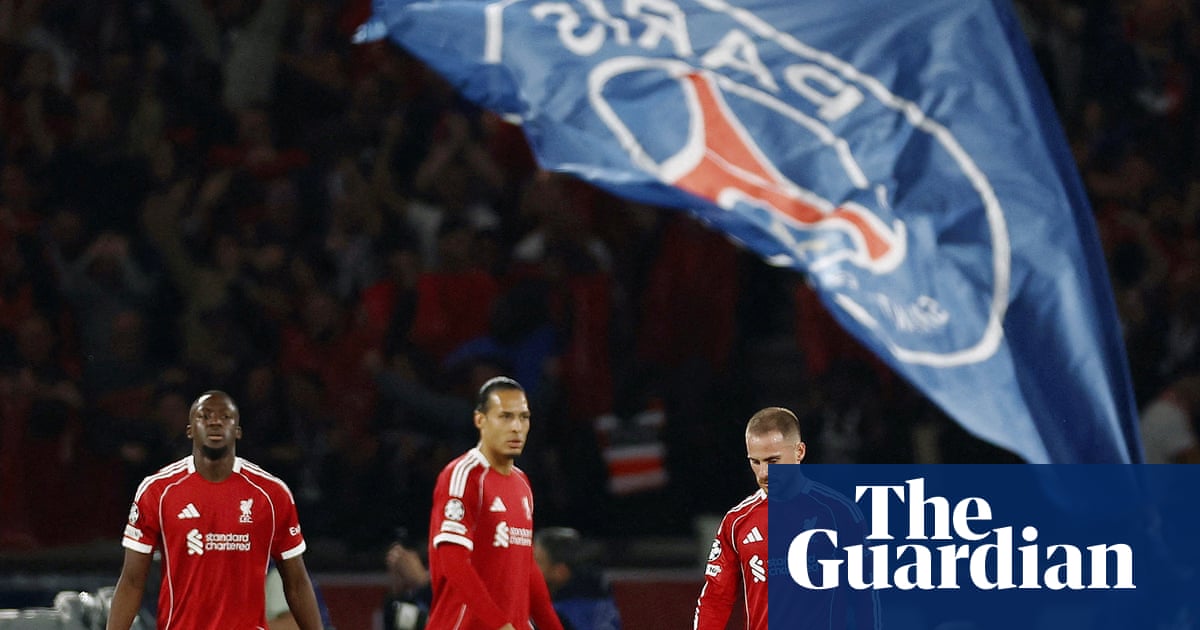
- PSG Tactical Mastery at Anfield: Paris Saint-Germain dismantled the English champions with a display that left Arne Slot searching for answers. The speed of the transition play turned a supposed European fortress into a training ground drill. It showcased a gulf in class that suggests Liverpool’s recent domestic dominance masks significant tactical vulnerabilities on the continental stage.
- The Breakdown at the Back: Throughout the winter, leading clubs experienced a period of inexplicable defensive fragility. Individual errors from veteran center-backs in the Premier League and La Liga led to a 15% increase in goals conceded from high-press turnovers. This trend forced managers to sacrifice width for structural integrity, fundamentally altering how the top six teams approached high-stakes ties.
- The Resurrection of the Press: Tactical trends cycle, but the 2026 evolution of the high-press forced even the most possession-heavy sides to abandon vertical passing. Teams caught in this trap, particularly those relying on stagnant defensive midfielders, surrendered league leads before April. It remains a hallmark of an era where pressing speed beats technical comfort.
- Mid-Season Financial Correction: The January window saw a massive dip in spending, with clubs opting for six-month loans over permanent transfers due to tightening PSR regulations. This decision effectively killed the chance for struggling teams to buy their way out of crisis. It proved that stability now outweighs the gamble on mid-tier reinforcements.
- The Unexpected Rise of Underdogs in Europe: Teams that were relegation-threatened in December found new life through set-piece efficiency in the spring. By focusing on dead-ball scenarios, these squads maximized their 21% possession averages to grind out results against top-seed opponents. Efficiency is clearly replacing aesthetic appeal as the currency of survival.
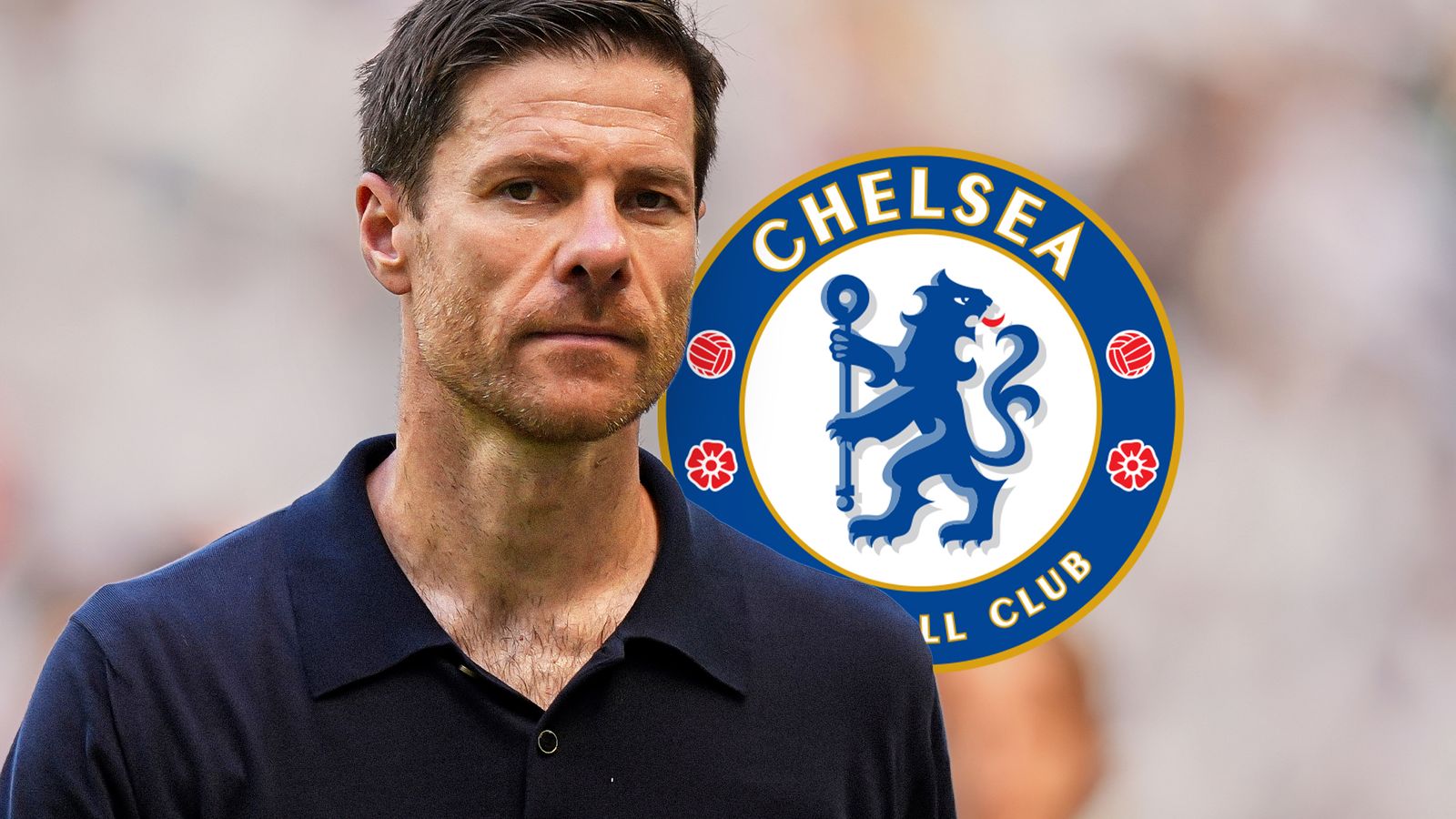
- Managerial Turnover Fatigue: We hit a record for mid-season sackings by early March, creating a lack of continuity that bled into Champions League performances. Clubs rotating managers twice before the quarter-finals consistently failed to establish a coherent game plan. The lack of patience at the executive level proved to be the most expensive mistake for clubs like Chelsea and Milan.
- Golden Boot Volatility: The race for top scorer status shifted from established names to late-blooming wingers as central strikers struggled with isolation. This pivot highlights a shift in team construction where providing width is the only way to generate clear-cut chances. If your main striker isn't getting service, your season ends in February.
- Refining VAR Interventions: Leagues experimented with increased transparency, yet the chaos surrounding handball interpretations grew worse. There were 44 controversial decisions involving penalties across the major European leagues this spring. It is clear that technology cannot fix fundamental inconsistencies in how officials perceive physical contact in the box.
- The Impact of Early April Fatigue: With the World Cup approaching in June, players slowed down during the final push for Champions League qualification. The mental toll of a condensed calendar resulted in a drop-off in high-intensity sprints. This physical exhaustion is the primary reason favorites are failing to close out games in the final 10 minutes.
- The Breakdown of Technical Direct Play: Teams forcing aggressive, direct play against low blocks repeatedly paid the price. Those who insisted on playing through the middle rather than utilizing wide spaces were punished by the PSG-style transition threats. It is a stubborn error that continues to plague managers who prioritize philosophy over situational pragmatism.
The Big Picture
This season has been a masterclass in why structural discipline outpaces individual talent. As we look toward the Champions League closing stages, the clubs that adapted their systems to the high-press intensity are the ones still standing. The teams that ignored these tactical shifts are the ones currently clearing out their lockers.
Honorable Mentions
The sudden injury crisis affecting midfield pivots has been the most under-reported story of the quarter-final race. Additionally, the frustration of fans regarding ticket pricing for cup ties has reached a breaking point, creating a negative atmosphere that has arguably hindered home-field advantages in crucial matches.
Read Next
- Liverpool fans are livid about the officiating carousel at Anfield
- Liverpool's high-line gamble against PSG is a tactical dead end
- Liverpool’s defensive breakdown reveals a glaring tactical void
- Liverpool's high-line gamble against PSG is a tactical dead end
- ⚽ Ligue 1 2025-26 — PSG, Monaco & the Title Race Hub
- ⭐ UCL 2026 — Champions League Quarter-Finals Hub