The Defining Peaks and Valleys of the Campaign
The 2025-26 European season provided a masterclass in tactical evolution and dramatic late-game collapses. From Manchester City securing supremacy to North American hosting preparations, these ten moments dictated the narrative trajectory of world football before the 2026 World Cup kickoff.
1. Manchester City secures the Domestic Treble
City maintained their vice-like grip on domestic football by clinching the FA Cup in a 2-1 victory over Manchester United. The tactical rigidity displayed by Pep Guardiola’s side reached its zenith in this fixture, nullifying counter-attacks with ruthless efficiency. They rank first because the sheer inevitability of their success now borders on the monotonous. Critics rightly point out that the financial disparity between them and the mid-table pack has rendered the title race a logistical formality rather than a sporting contest.
2. The Champions League Final tactical switch
Real Madrid’s comeback in the final highlighted why they remain the continent’s most lethal knockout specialists. Down by a goal at the hour mark, Carlo Ancelotti shifted his personnel, pushing Federico Valverde into a hybrid fullback role that allowed for rapid transitions. This tactical gamble paid off with two goals in the final quarter. It secures the second spot because, unlike City’s surgical dominance, this was a contest defined by pure, unadulterated individual brilliance.
3. The North London defensive collapse
Arsenal led the Premier League for 28 weeks before consecutive losses to lower-ranked opposition effectively torpedoed their campaign. This collapse serves as a cautionary tale about squad depth. Failing to manage fatigue in the final month resulted in a lack of composure in the final third. They rank third only because of the emotional intensity their fans invested before the inevitable April fade.
4. Bayern Munich’s shock exit
The quarter-final elimination against a defensively sound Italian side exposed significant flaws in Kompany’s high-line system. They dominated possession but were repeatedly caught on the break by long balls into vacant channels. It remains the most glaring failure of any European giant this year. Watching a veteran squad lose their tactical discipline in such fashion was both baffling and embarrassing for the German champions.
5. Northern Ireland’s tactical reboot
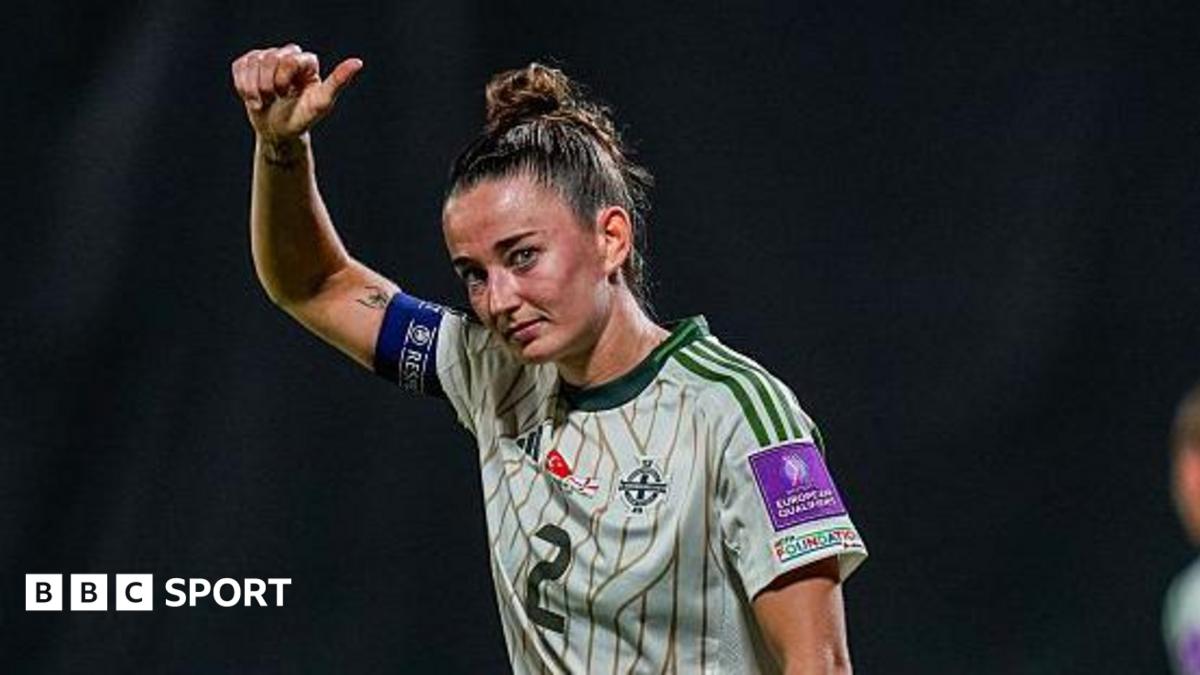
The appointment of Michael McArdle as national manager sparked a genuine shift in local enthusiasm early in the year. Rebecca McKenna recently noted to the BBC that he has brought a breath of fresh air to a stale locker room. His focus on high-pressing defensive structures has yielded consistent results against higher-ranked opponents. This ranks fifth for its narrative resonance outside the elite club bubble.
6. Liverpool’s transition season struggles
The post-Klopp era began with a turbulent shift in playing style that saw them finish third. While the new system offers defensive solidity, the creativity in midfield dropped by roughly 15% compared to the previous season. They are ranked sixth because they proved that identity change takes more than one window. The lack of clinical finishing in the 0-0 draws against relegation-threatened teams cost them a genuine title charge.
7. The West Ham United defensive experiment
David Moyes’ attempt to overhaul the backline was a mixed bag that ultimately lacked cohesion. As Everton look to West Ham for a defensive reset, it is clear that the squad was left bloated by inconsistent scouting decisions. They managed mid-table security but lacked the verticality needed to push for European qualification. This ranks seventh due to the mismanagement of assets that should have yielded much higher output.
8. Manchester United’s mid-season pivot
United’s attempt to fix their midfield issues by chasing high-volume carriers like Sandro Tonali dominated the winter headlines. Their pursuit, as noted in recent reports on the Old Trafford pivot, signaled an admission that their internal scouting was flawed. They rank eighth because all the noise failed to result in a tangible cup success. Tinkering with the engine room mid-season rarely works, and this was no exception to that rule.
9. Bayer Leverkusen’s unbeaten anomaly
Leverkusen managed to stay unbeaten in domestic competition for an impressive duration, forcing heavyweights to acknowledge their tactical maturity. Xabi Alonso’s ability to maximize output from a limited budget is the highlight of the season. They sit ninth because they were unable to replicate this form across European borders, leaving fans wondering if their system is too fragile for elite continental pressure.
10. The 2026 World Cup host announcements
The final rankings entry belongs to the logistical massive undertaking of hosting the global tournament across three nations. The infrastructure testing throughout May has been a logistical nightmare for traveling fans. While the football on the pitch remains the priority, the administrative failures of the tournament organizers have been a recurring sour note. It places last because administrative headaches are simply not as compelling as 90 minutes of high-stakes football.
Honorable Mentions
The emergence of teenage midfielders across the Eredivisie provided a much-needed injection of pace to an aging European market. Additionally, the tightening of handball laws in the Premier League caused enough confusion and late-match discord to be worthy of recognition, even if the officiating inconsistencies often ruined the flow of high-intensity fixtures.