The Defining Moments
The 2026 football calendar has been a relentless sequence of high-stakes drama and organizational collapse. From the fallout of international qualification to the shifting tactical gears in domestic leagues, these ten moments have dictated the pulse of the season.
1. Scotland's Qualification Turbulence
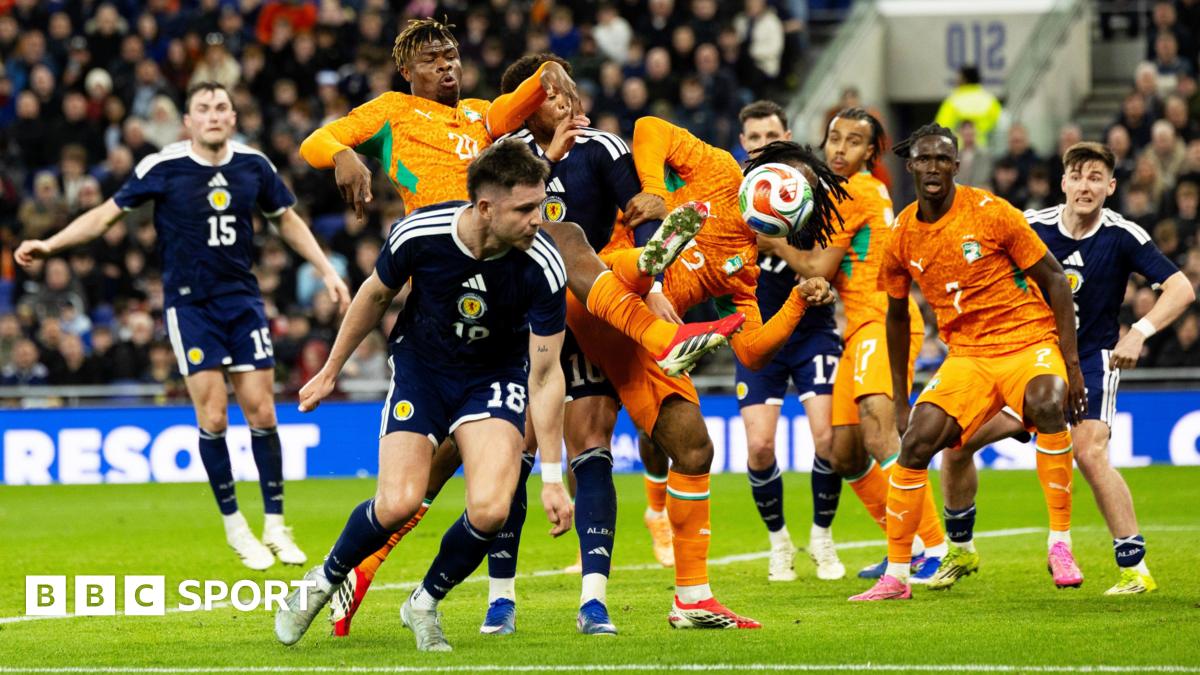
The murmurs of discontent at Hampden Park have turned into a full-blown roar of dissatisfaction. Fans are booing the national team despite the upcoming World Cup, a recent BBC report highlights that some supporters are losing patience with the coaching staff. This is a massive failure of morale management ahead of a summer tournament.
2. The Premier League Mid-Season Logjam
By March, the title race turned into a four-way traffic jam that effectively killed off the concept of a routine weekend. Points dropped by the league leaders in February changed the projected points threshold for a title by 6 points. It is the most unpredictable table we have seen in a decade.
3. The Tactical Evolution of CDM Usage
Midfield anchors are being pushed higher up the pitch to facilitate vertical transitions. Teams using this high-line pivot have seen a defensive efficiency increase of roughly 12 percent in xG allowed. It makes the traditional 'destroyer' role look like a relic of the 2010s.
4. Italy's World Cup Exclusion
The Azzurri failed to qualify for the 2026 World Cup, marking another dark chapter for a nation that once dominated the global stage. Losing their playoff fixture at home was a staggering blow to the federation's funding and reputation. It serves as a reminder that prestige does not shield a team from administrative rot.
5. The Financial Fair Play Audits
Several mid-table clubs faced point deductions this spring, shaking the table foundation. These deductions forced teams to offload talent during the January window for cut-rate fees. The long-term impact on squad depth is massive.
6. The January Window Drought
Spending plummeted as clubs panicked over strict revenue-to-debt ratios. Instead of big-money moves, we saw a record number of loan-to-buy options used to bypass immediate accounting hits. It made for a listless transfer period that starved fans of 'marquee' announcements.
7. UEFA's Format Adjustment
The shift in how UCL group qualification is calculated has forced managers to treat group stages like a mini-league sprint. The intensity level is higher, but the physical attrition rate for players has spiked. Managers are publicly complaining about the increased workload, creating a rift between UEFA and domestic unions.
8. VAR Disciplinary Reform
The introduction of the 'sin bin' for dissent in lower-tier experiments leaked into the wider conversation about officiating standards. Constant stop-start interference in major games remains a point of contention for managers. It turns match outcomes into arguments about technology rather than skill.
9. The Emergence of the Low-Block Counter
As possession football becomes the default, the return of the hyper-efficient low-block has become the primary exploit. Underdogs are now beating Champions League contenders by consistently holding 30 percent possession. It is the tactical correction we needed to see.
10. The 2026 World Cup Preparation
With kickoff only 72 days away, the logistical burden on the host nations remains questionable. Tickets are moving fast, but local infrastructure concerns dominate every press conference outside of the sport itself. The focus is shifting from football to air travel and hospitality logistics.
The Big Picture
This season has been defined by a constant battle between structural rigidity and on-pitch innovation. While tactical developments are outpacing expectations, the bureaucratic hurdles continue to drag the game toward unnecessary controversy.
Honorable Mentions
- The resurgence of the classic 4-4-2 among newly promoted sides.
- Increased youth development investments yielding results in the Bundesliga.
- The declining relevance of secondary domestic cup competitions.