The road to the 2026 FIFA World Cup kickoff
Four days out from the opening whistle in Mexico City, the sport sits at a fever pitch. These ten moments defined the volatile, high-stakes recruitment and qualification period leading into this historic summer.
10. Senegal’s tactical shift post-Afcon
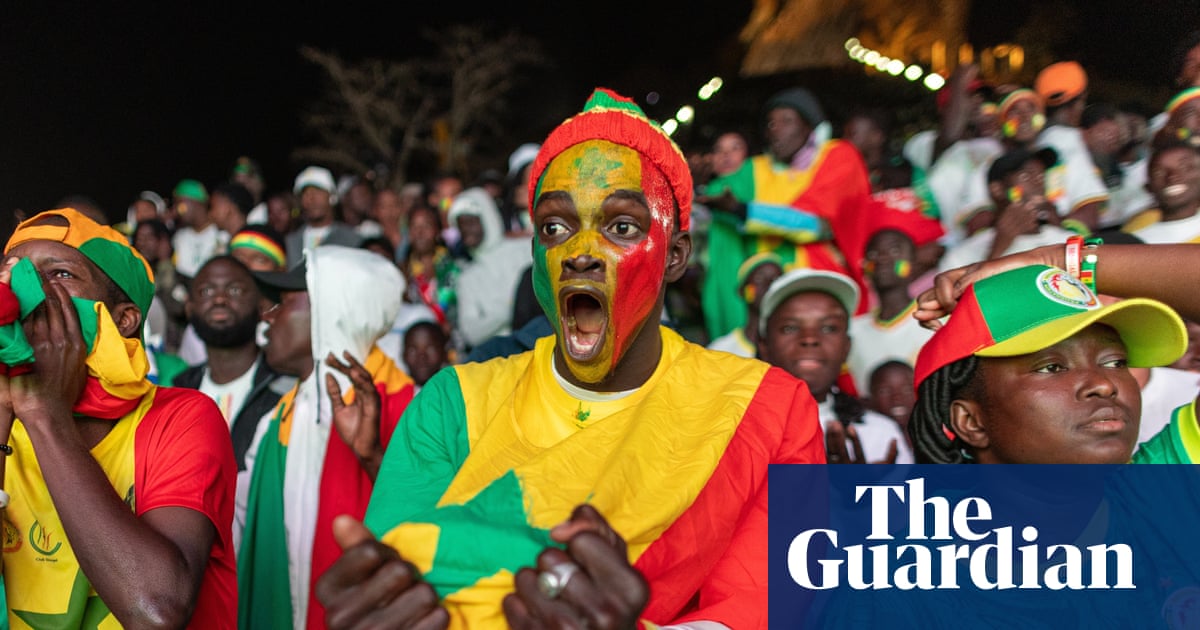
After a chaotic exit in the 2026 African Cup of Nations, the Lions of Teranga abandoned their rigid defensive formation. The team transitioned to a high-pressing mid-block that maximized vertical lanes for their pacey wingers. As The Guardian reported, this refinement was essential for their qualification path. They rank tenth because while effective, the reliance on transition moments remains a gamble against elite tactical setups.
9. The emergence of the 2026 expansion talent
FIFA expanded the field to 48 teams, providing a platform for nations previously stuck in the shadows of continental qualification. This influx of fresh rosters forced established giants to scout players from leagues that were previously ignored by major talent directors. It sits here because the competitive gap between Tier 1 and Tier 3 nations has visibly narrowed during friendly windows.
8. The managerial merry-go-round
Six of the top-ranked nations changed head coaches within twelve months of the tournament. Continuity is usually king; however, the desperate coaching cycles indicate a lack of long-term planning from major federations. It ranks ahead of the Senegal shift only because the sheer volume of coaching turnover signals a systemic instability in international football management.
7. VAR intervention protocol refinements
The International Football Association Board introduced a strict 30-second cap on subjective VAR reviews this spring. The result was a noticeably faster game state during the final qualification rounds. While some officials struggled with the compressed window, the reduction in dead-air time is the most significant officiating change in the last five years.
6. Injury crises in the final buildup
The fixture congestion in club football has claimed a horrifying list of stars weeks before the World Cup. Whether it is lingering soft-tissue issues or high-ankle sprains, depth charts are currently being overhauled on the fly. This ranks here because it reveals the unforgiving physical toll of the modern calendar despite efforts to rotate players.
5. The qualification surprise of the middle tier
Several underdog nations navigated the expanded brackets to clinch spots, effectively knocking out perennial continental contenders. These upsets were not accidental; they were the product of disciplined scouting and low-block defensive structures that frustrated heavy favorites. It sits in the middle because it proves that the expanded World Cup format is successfully diversifying the competitive field.
4. The overhaul of international break windows
FIFA consolidated the international calendar into fewer, longer blocks to reduce cross-continental travel. Players logged fewer flight hours, which translated to sharper recovery times and higher-intensity matches during the final push. This move saved the 2026 cycle from becoming a slog of fatigue-induced errors.
3. The rise of the inverted full-back trend
The tactical dominance of the inverted full-back—drifting into the midfield to act as a secondary pivot—became the standard for teams chasing deep runs. This movement rendered traditional touchline-hugging wingers obsolete for many top-tier rosters. It ranks third because it has forced every manager on the planet to account for central congestion in their defensive shape.
2. The fiscal tightening of mega-clubs
Major European teams restricted player releases to national camps until the mandatory FIFA cutoff date. This tension between club interests and national duty colored every conversation regarding squad selection for 2026. It highlights the growing tension between private capital and the public institution of the World Cup.
1. The 48-team qualification format reveal
The expansion itself remains the most impactful moment of the current era. It fundamentally altered the qualification journey, the scouting intensity for secondary markets, and the anxiety levels of every national side. It ranks first because no other administrative change has exerted as much pressure on the logistical and competitive integrity of the tournament.
Honorable mentions
The experimental usage of the blue card in youth development levels provided a glimpse into potential future disciplinary changes. Additionally, the increasing reliance on advanced data tracking for player health monitoring prevented even more injuries during the high-intensity April training camps.