The Defining Shifts
Football history is rarely written in long, coherent arcs. Instead, the narrative pivots on singular acts of genius or logistical catastrophes that force the sport to confront its own excesses.
As the 2026 World Cup kicks off today, we look back at the moments that fundamentally altered the trajectory of the modern game. From tactical reshuffles to personnel gambles, these events remain the reference points for every analyst working today.
The Ranking
- Mario Gotze, 2014 World Cup Final: The volley in the 113th minute against Argentina remains the cleanest strike in modern tournament history. It ended Germany’s drought and confirmed the tactical superiority of the high-press machine. Anything lower feels like an indictment of pure skill.
- Sergio Aguero, 2012 Premier League Final Day: Manchester City scoring twice in stoppage time against QPR remains the most statistically improbable league title win. The agony for QPR was total, but the shift in English domestic power became absolute from that point forward. It ranks here because no other goal directly altered a club's brand identity.
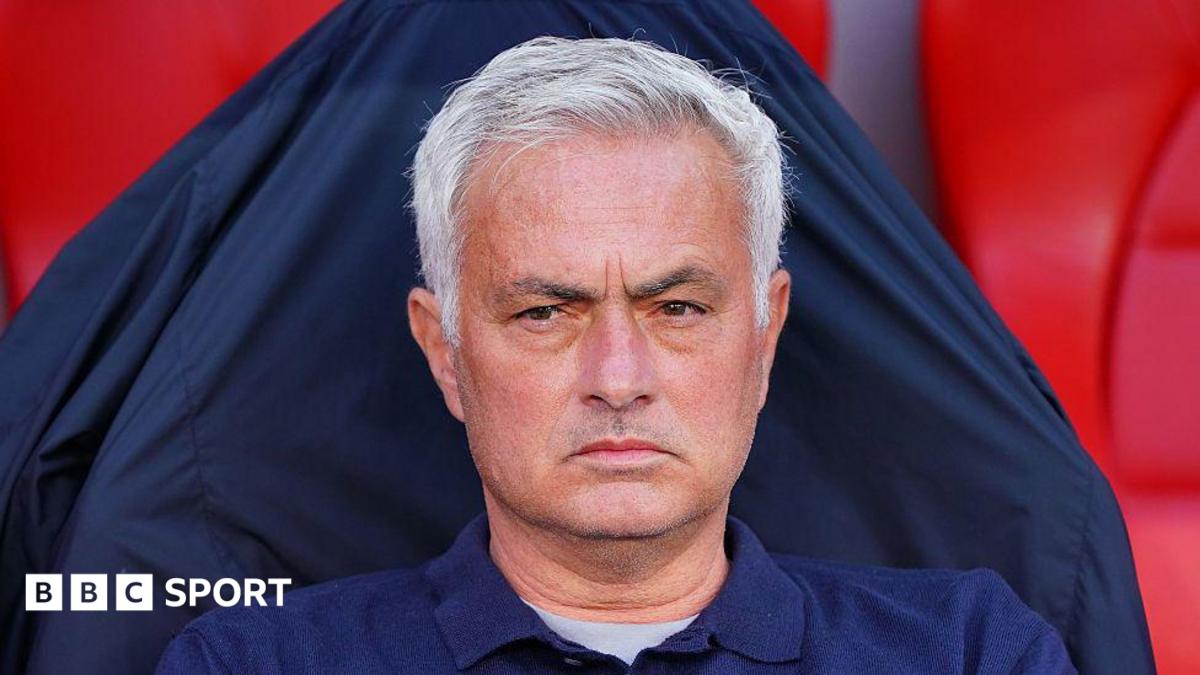
- Jose Mourinho joins Real Madrid, 2026: The announcement today that Real Madrid has reappointed Jose Mourinho is a shock to the system. It suggests a complete rejection of the youth-first model that defined their recent Champions League runs. Bringing him back on a 3-year deal is a high-risk gamble that prioritize short-term ego over sustainable development.
- Andres Iniesta, 2010 World Cup Final: A strike in the 116th minute that finalized the tiki-taka mandate. Spain didn't just win a trophy; they forced every national team to adopt a possession-heavy style for the next decade. If the technical quality wasn't so high, this would be ranked lower for being a relatively dour match.
- Zinedine Zidane, 2006 World Cup Final: The headbutt on Marco Materazzi is often remembered for the soap opera element, but it was the professional suicide of a football icon. It destroyed France's final chance at glory and remains the only moment on this list that serves as a cautionary tale on emotional discipline. It stays mid-table because it was a moment of weakness, not tactical greatness.
- Lionel Messi's 2022 World Cup run: The penalty conversion rate and the technical efficiency against Croatia in the semi-final solidified the status of the GOAT conversation. Critics harp on the frequency of VAR-awarded spot-kicks, but the consistency of his playmaking at age 35 was an anomaly.
- Leicester City winning the 2016 Premier League: The 5000-to-1 odds were not a mistake; they were a reflection of a system that shouldn't have allowed such a fluke. It remains the most damaging result for the financial gap between mid-table and elite clubs. It ranks seventh because, while romantic, it didn't change the tactical DNA of the sport permanently.
- The 7-1 Germany victory over Brazil, 2014: Humiliation is rarely this clinical. It exposed the rot in Brazilian national team tactical preparation and forced a reckoning for the five-time champions. It belongs on the list, though it’s borderline unwatchable in replay.
- Gareth Bale, 2014 Copa del Rey Final: The sprint around Marc Bartra is the ultimate display of raw, blistering athleticism over defensive organization. It was the moment that truly announced the Real Madrid counter-attacking identity. It deserves its spot for showing that sometimes speed beats theory.
- The invention of the offside trap refinement: While not a single date, the adaptation of the high line under modern pressure has redefined every team's defensive structure. It has created more space for error than ever before, making high-level football arguably more chaotic than it has been in decades.
The Big Picture
Football is a feedback loop between money, tactical experimentation, and singular moments of brilliance. Managers come and go, but the way we measure success—trophies or total capitulation—remains the only metric that matters to the fanbases fueling this machinery.
The return of Mourinho to Madrid serves as a reminder that the sport has a short memory. We obsess over the new, but we often end up recycling the same personalities when the stakes reach an absolute peak.
Honorable Mentions
Zlatan Ibrahimovic’s 30-yard bicycle kick against England remains the greatest exhibition of pure individual talent, even if it didn't change the game's broader direction. Meanwhile, the implementation of VAR earns a dishonorable mention for removing the human error that used to define late-game drama, effectively turning high-stakes matches into forensic audits.