The Big Picture
The football calendar is hitting its absolute breaking point, and the daily news cycle reflects the sheer chaos. We are sitting in late March, staring down the barrel of a brutal April fixture list, while front offices are already leaking their summer transfer demands to friendly journalists. It is a messy, overlapping collision of immediate priorities and long-term desperation. The international break provided a brief pause, but the reality of the impending run-in is setting in. Every decision made right now carries massive financial and sporting consequences.
10. The Broadcasting Wars and Content Overload
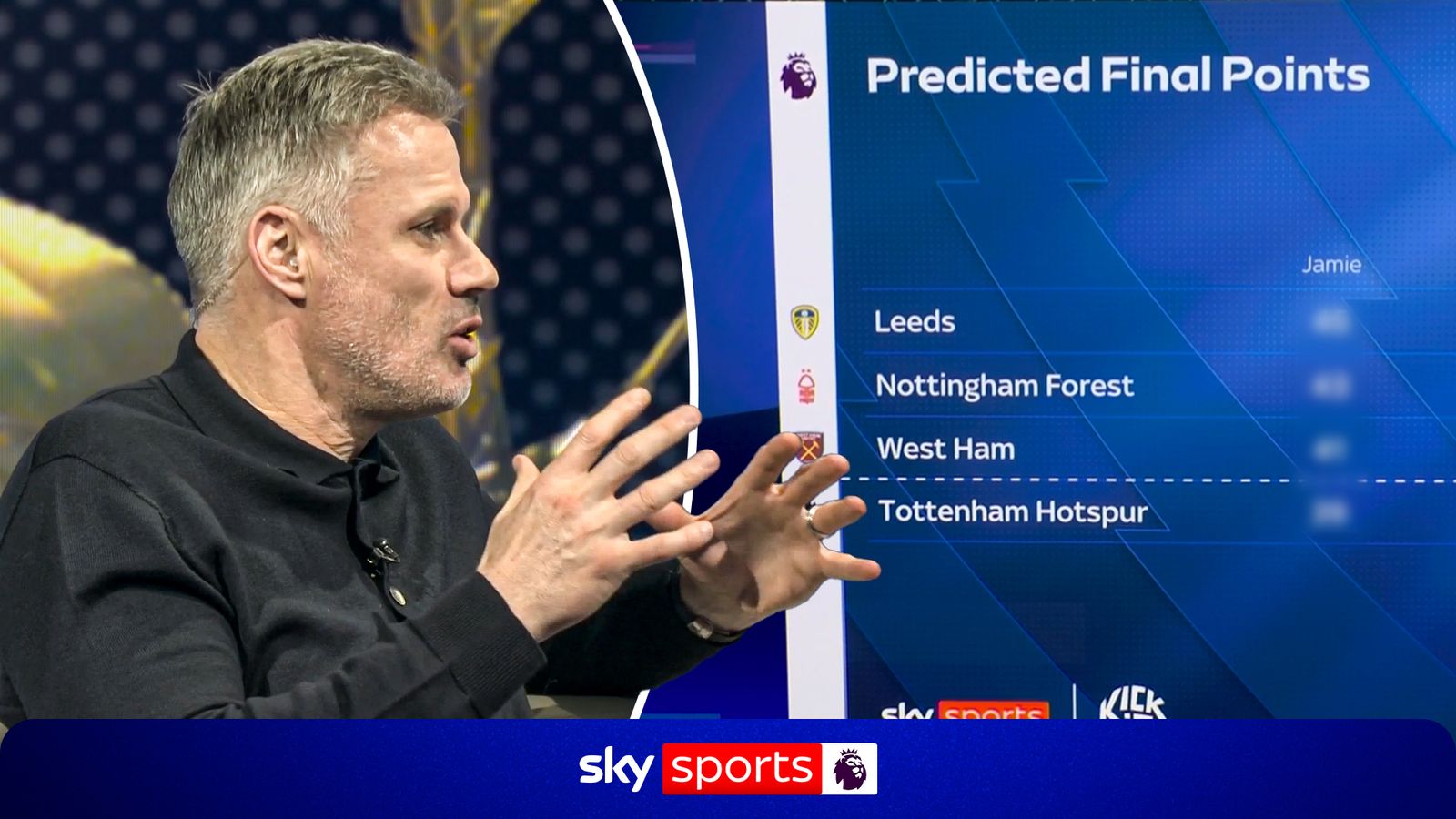
Everyone is fighting for your attention, and the tactics are getting desperate. Networks are terrified of losing engagement as the domestic season winds down. You only have to look at the endless promotion for Sky Sports' Transfer Show to see how the sausage is made. They are streaming it for free just to hook viewers into the rumor mill before the window even opens. It is endless hours of talking heads debating hypothetical transfers based on agent whispers. This constant churn of content conditions fans to care more about the summer rebuild than the matches happening this weekend.
9. The Looming FA Cup Final Squeezing the Schedule
Wembley is booked for May 16, and the FA Cup is causing serious fixture congestion. For the clubs still alive in the competition, it is a massive distraction from the league campaign. Managers are forced to make impossible choices between rotating their squads for a cup run or prioritizing the financial safety of a top-four finish. We are seeing weakened sides thrown to the wolves in domestic cups because the prize money just doesn't compare to European qualification. The reality is that the FA Cup has become a secondary concern for the elite, serving only as a lifeline for under-fire managers desperate for a trophy to save their jobs.
8. The Expanded World Cup Casting a Long Shadow
We are exactly 78 days away from the kickoff of the 2026 World Cup, and it is already ruining the end of the club season. The expansion to 48 teams means more players are involved, more travel is required, and the physical demands are higher than ever. Club managers are furious. They are watching their star players coast through league matches, terrified of picking up an injury that would rule them out of a trip to North America. The quality of domestic football always drops in a World Cup year. Players simply cannot go flat out for nine months and then peak again in June.
7. Financial Regulations Strangling Mid-Table Ambition
The days of a mid-table club spending their way to the top are effectively dead. The new financial rules have frozen the market in place. Clubs are absolutely terrified of point deductions, leading to a strange paralysis where teams are constantly linked with players but nobody actually pulls the trigger. The media continues to push the narrative of massive summer spending, but the balance sheets tell a different story. You cannot sign a high-profile striker without offloading a major asset first. It turns the transfer market into a massive game of musical chairs, where everyone is waiting for one big club to make a move and free up some capital.
6. The April Champions League Meat Grinder
The quarter-finals start on April 7, and the draw has left several top clubs facing a nightmare schedule. The intensity of the late-stage Champions League is a completely different beast entirely. You cannot rotate your center-backs against elite European opposition, but playing them three times in eight days guarantees muscle fatigue. We are going to see domestic title races decided by who stays healthy in April, not who has the best tactics. The news cycle will inevitably blame the medical staff when a star player goes down, but the real culprit is a calendar that demands peak physical exertion every 72 hours.
5. The Myth of the Quick Fix
There is a toxic narrative in football media that throwing money at a problem will instantly solve it. Look at the constant demands for clubs to sign three or four starting players in a single window. It is terrible squad building. Integrating four new starters disrupts the dressing room, ruins the tactical familiarity, and places impossible pressure on the manager to deliver immediate results. When the new signings inevitably take three months to adapt to the pace of the league, those same outlets will immediately label them as expensive flops. It is a vicious, self-sustaining cycle of hype and manufactured outrage.
4. Manchester United’s Internal Development Dilemma
The situation at Old Trafford right now is perfectly emblematic of the modern game's impatience. The Mirror's recent reporting focuses heavily on the decision surrounding JJ Gabriel. The club is reportedly weighing whether to trust their internal options or dive back into the market. United has spent the last decade throwing hundreds of millions at established names with disastrous results. Yet, the pressure from the fanbase and the press makes it incredibly difficult to simply trust an academy graduate to play thirty games a season. The fear of missing out on the top four forces them to abandon long-term planning for short-term fixes.
3. The Relentless Pressure of the Summer Window
The transfer window hasn't even opened, but the news cycle has already moved on to who is leaving in August. Reports are urging United to make moves for four specific players, as if that is a realistic proposition under current spending rules. It creates a toxic environment for the players currently in the squad. Imagine trying to secure European football while your club is publicly briefing journalists about your impending replacement. It destroys morale. The modern football news cycle treats players entirely as disposable assets, entirely ignoring the human element of squad cohesion.
2. The Desperation of the World Cup Play-Offs
While the top nations are booking their hotels in the USA, the reality for the rest of the world is incredibly grim. FourFourTwo points out that there are 22 teams fighting to the death for the final six spots. These play-off matches are the most high-stakes football you will ever watch. A single refereeing error or a bad bounce of the ball can set a national federation back a decade. The financial difference between qualifying and staying home is staggering. These aren't just games; they are desperate scraps for survival, and the tension is completely suffocating for the players involved.
1. The Complete Failure of Player Protection
This is the single most important story in the sport, and the governing bodies are completely ignoring it. We are watching a generation of elite talent get run into the ground. A player who goes deep in the Champions League in May and then plays in the World Cup final in July will have played close to seventy matches. It is completely unsustainable. We are seeing an alarming rise in knee injuries, and the response from FIFA has simply been to add more fixtures. The news cycle focuses on the money and the transfers, but the real story is the physical destruction of the athletes who actually make the product worth watching.
Honorable Mentions
We cannot ignore the managerial carousel that is already spinning out of control. Agents are working overtime to secure summer moves for their clients before the season even ends. The sheer volume of tactical leaks and dressing room unrest being fed to reporters is staggering. Everyone is looking out for their own survival, and loyalty is entirely nonexistent. It perfectly encapsulates the chaos of the modern footballing world.