Measuring the weight of the endgame
The 2026 domestic football calendar has entered its final, high-pressure stage. Teams are balancing survival and silverware, creating moments that define careers and club identities long after the final whistle.
We examine the ten events that have shifted the balance of power across the professional leagues. These rankings prioritize tangible impact on club standings and psychological momentum.
1. Falkirk secures top-six finish against Motherwell
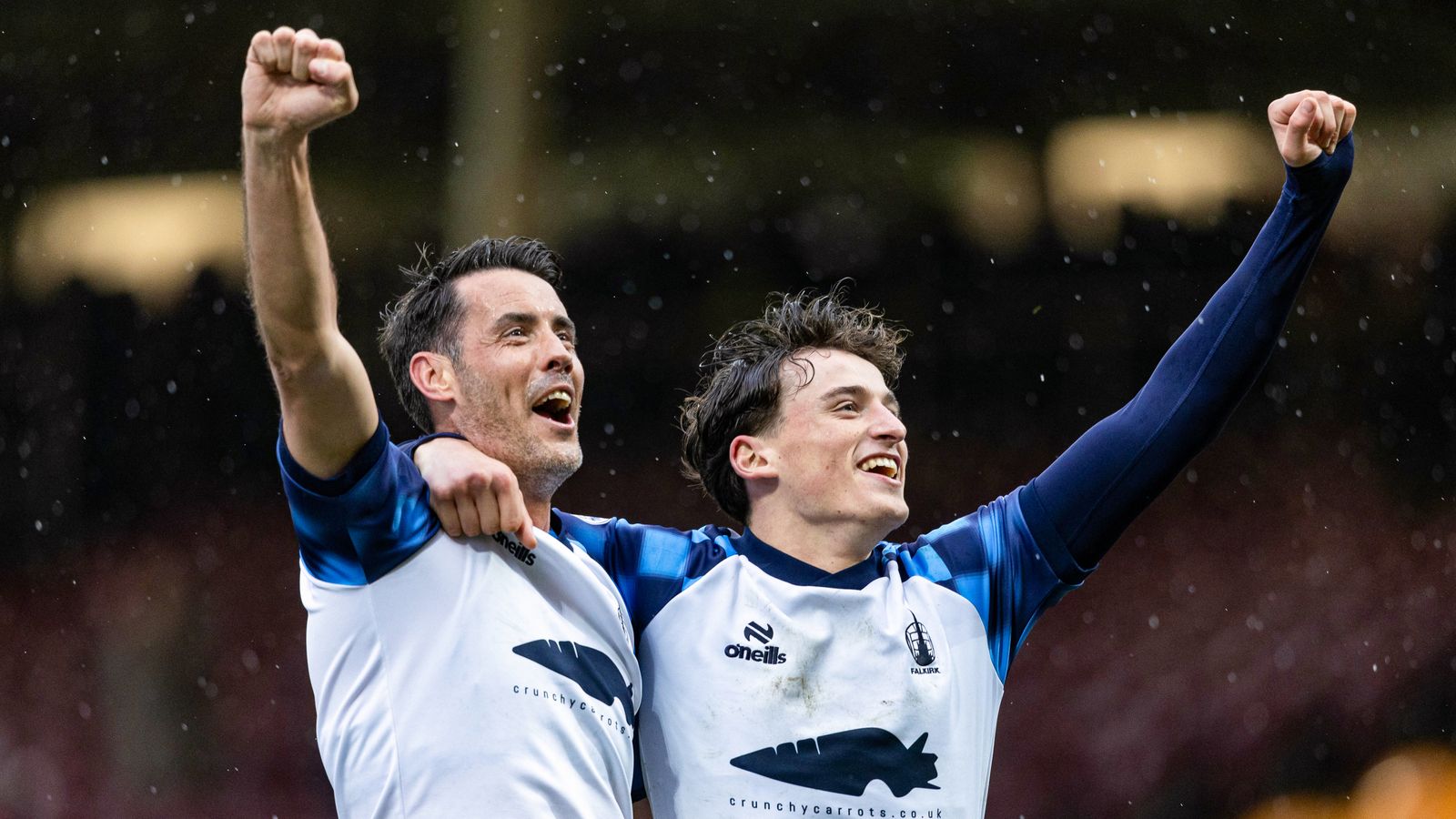
Falkirk confirmed their place in the top six after a determined 2-0 victory over Motherwell. The result effectively finalized the league splits, forcing the bottom half into a survival scramble. This win represents a massive shift in organizational potential for a club pushing for a European spot. It is the most significant tactical and financial achievement in the Scottish Premiership this term. The professional maturity shown during the final 20 minutes of defensive containment proves they can compete with elite domestic sides.
2. The Arsenal defensive cascade
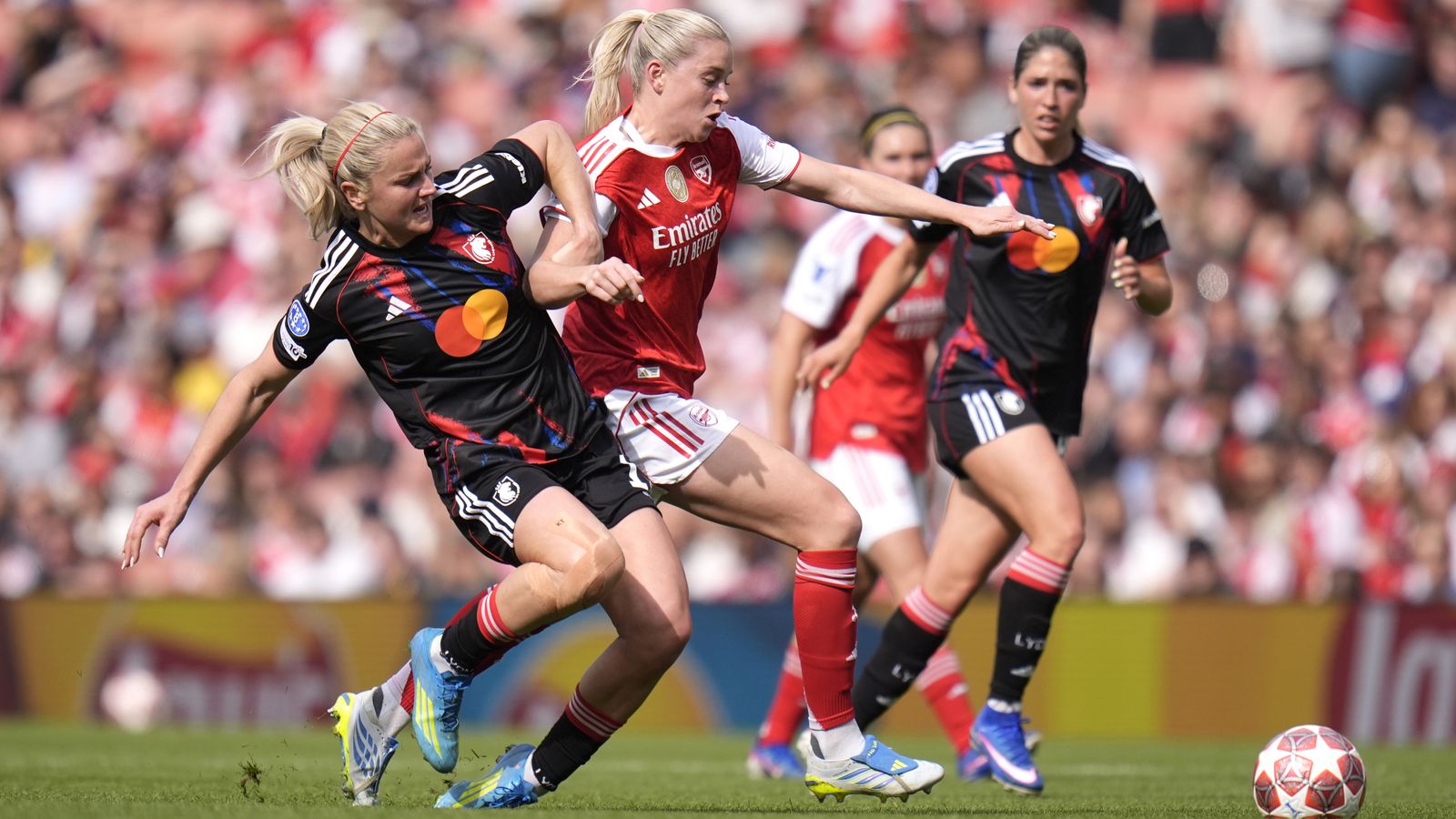
Mikel Arteta’s title charge hit a physical wall when Gabriel Magalhães exited Tuesday’s session early with a hamstring injury. The optics for this squad are severe, as the Brazilian represents the foundation of their defensive line. Medical staff have provided a bleak prognosis following initial scans. Without him, the team loses their primary aerial threat and communication anchor in high-possession sequences. This injury is the definitive setback of their Spring campaign.
3. The relegation survival arithmetic
Clubs near the bottom of the table are now playing a rigid, uninspired brand of football to preserve points. The obsession with survival has drained the tactical creativity from the mid-table, leading to a glut of low-scoring draws. While financial security is the incentive, the quality of entertainment has nosedived since mid-March. Fans have rightfully revolted against the lack of ambition shown by clubs prioritizing survival over competitiveness.
4. FA Cup fatigue levels
The dual demand of domestic cup runs and league fixtures has left squad depth severely lacking for contenders like Manchester City and Chelsea. Managers are burning through academy prospects to keep senior legs fresh for the Champions League stretch. This is a management failure. Heavy rotation in quarter-final matches has resulted in lackadaisical play that rarely reflects the talent on the pitch.
5. The early UCL quarter-final nerves
With the first leg scheduled for April 7, the tension in training camps is palpable. Managers are opting for overly cautious setups in practice to avoid any repeat of the injury issues that plagued Arsenal this week. Every touch is measured, and intensity is being strictly governed. This extreme caution threatens to stall momentum for the heavyweights heading into the knockout stages.
6. Tactical shift in the English Championship
The emergence of high-press transitions in the second tier has forced a systemic move away from traditional, route-one football. Tactical flexibility is no longer a luxury; it is the baseline requirement. Teams that refused to adapt, such as the current mid-table losers, have seen their point totals evaporate since February. It is a necessary, albeit painful, evolution for the league.
7. The goalkeeper rotation dilemma
The decision by top-tier managers to play cup keepers in elite knockout rounds remains a glaring error in judgment. This decision has cost teams points in high-stakes environments where communication is paramount. Sticking to a strict cup-competition hierarchy is a stubborn relic of a bygone era. It undermines the cohesion built by the starting defensive unit during the league season.
8. Mid-season fitness crises
The accumulation of matches since the winter break has pushed athletic data into the red zone for over half the league. We are seeing more non-contact soft tissue injuries than in any previous year on record. This is a failure of load management that should have been addressed by the governing bodies in November. Club physios are working overtime, but the structural damage is already locked into the squad rosters.
9. The tactical stagnation in late-game substitutions
Too many managers are waiting until the 85th minute to introduce attacking changes. This leaves zero window for tactical adjustments if the sub fails to impact the game. This specific brand of conservatism is why fans are walking out of stadiums before the 90-minute mark. It is lazy coaching dressed up as strategic patience.
10. The refereeing consistency frustration
VAR interventions have become a primary, rather than secondary, feature of match outcomes. The lack of standard interpretation on handball rules has resulted in three controversial penalties this past weekend alone. When officials become the talking point of the match cycle, the sport loses its narrative focus. This current officiating cycle is a regrettable stain on a season that has otherwise produced elite goal-scoring totals.
- Falkirk's tactical evolution
- Gabriel Magalhães injury impact
- Survival-first football rot
- Squad depth shortcomings
- UCL camp caution
- Championship tactical shifts
- Goalkeeper rotation failures
- Load management crises
- Late-game substitution cowardice
- VAR officiating inconsistency
Honorable Mentions
The development of academy talent during the injury crisis remains a bright spot despite the broader team struggles. Additionally, the improved atmosphere in stadiums hosting the lower-tier cup ties has provided a much-needed injection of passion. We continue to monitor the league updates available via Sky Sports while preparing for the April 7 kickoff in the Champions League.