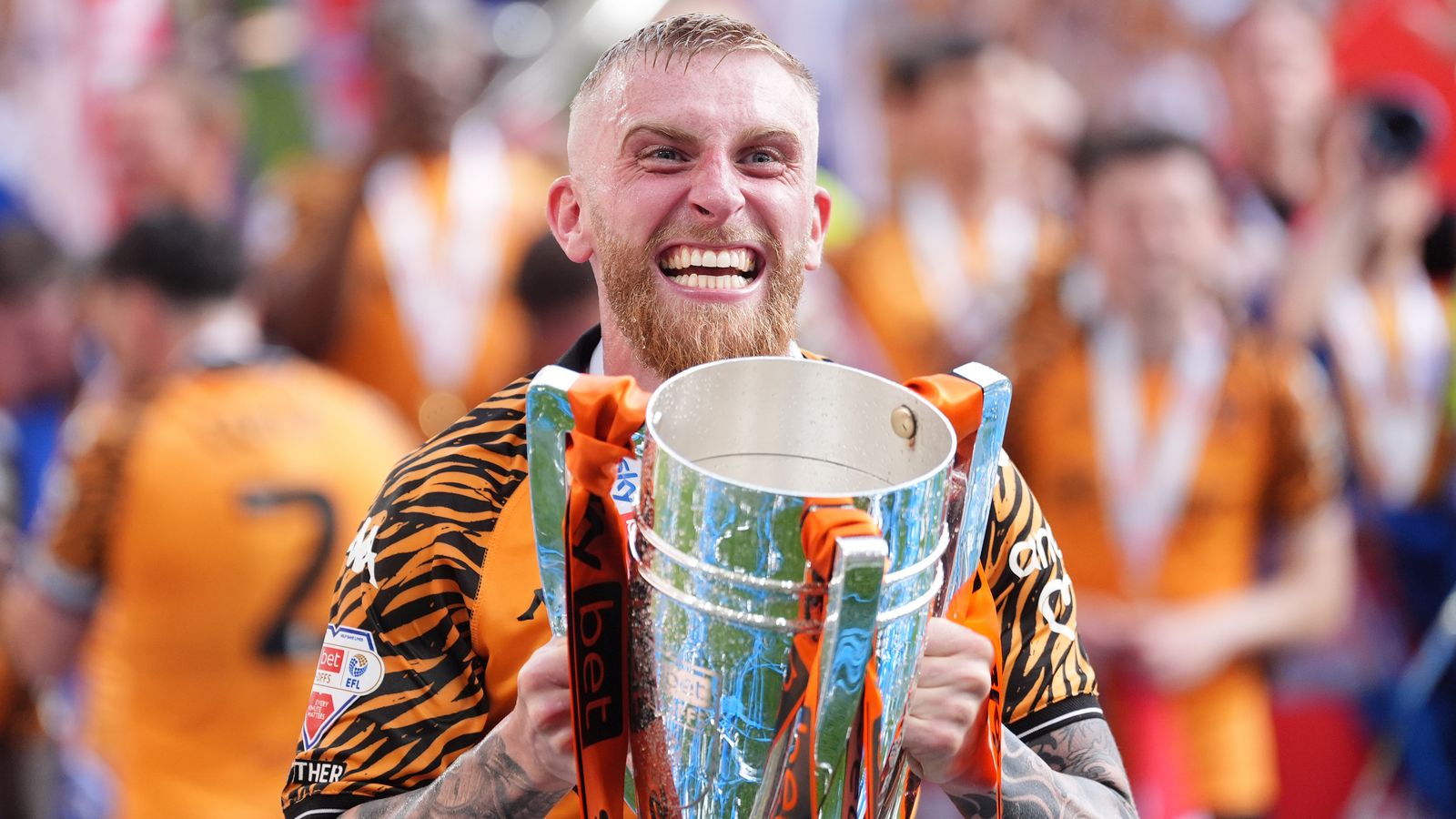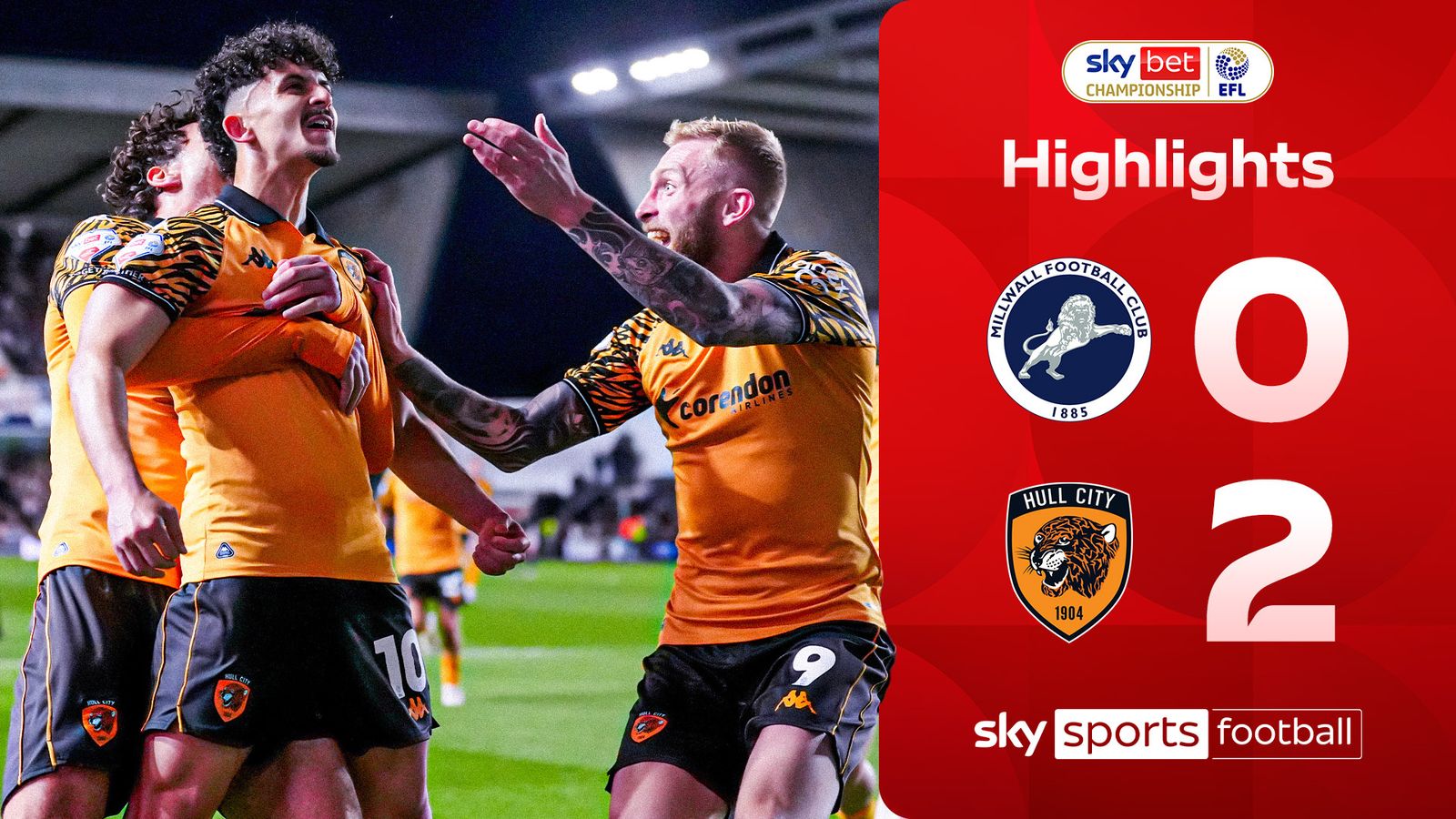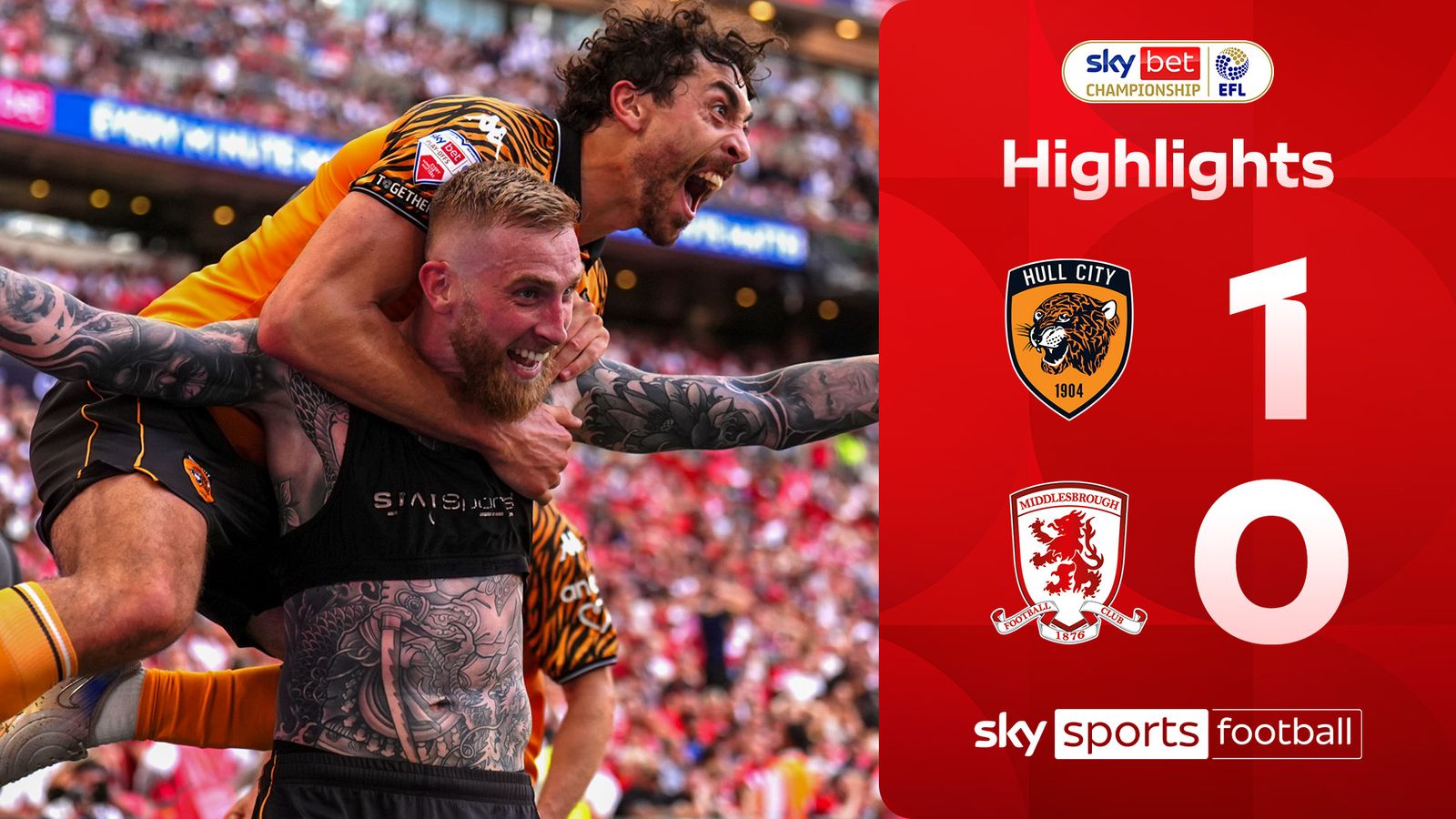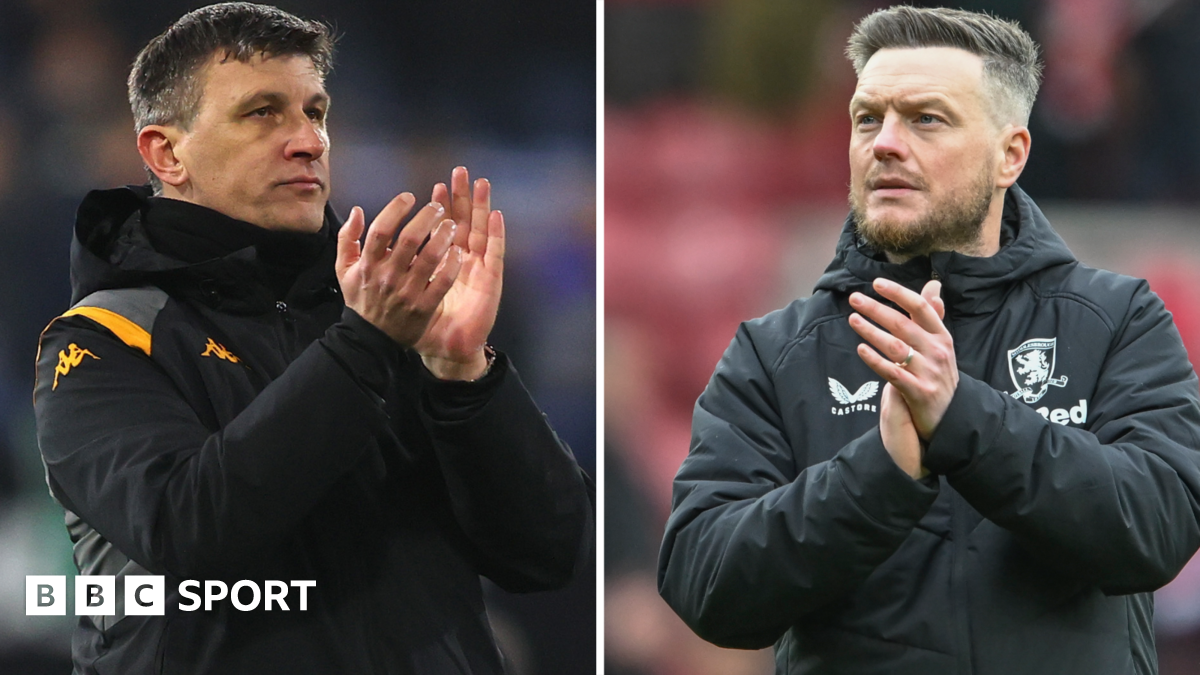
Hull City shouldn't be packing for London. Every metric used by the modern analyst suggested a slide toward the bottom half, yet Tim Walter’s side is standing on the precipice of the Premier League. This wasn't a season of dominance; it was a season of survival, luck, and defying the gravity of Championship football.
The Early Scrapes and Tactical Chaos
10. The August Heist at the Stadium of Light. Hull City began the season with a performance that set the tone for the next nine months: they were outplayed, outshot, and outmuscled, yet walked away with three points. Sunderland registered 22 shots to Hull’s three, but a deflected strike in the 88th minute secured a 1-0 win. This wasn't tactical brilliance; it was a smash-and-grab that defied the early-season expected goals (xG) projections. It gave a young squad the belief that they could win without the ball, a dangerous lesson that they would lean on far too often throughout the campaign.
9. The 3-2 Comeback Against Leeds United. By October, the critics were circling Walter’s high-risk defensive line, which frequently left the goalkeeper stranded. Leeds exploited this early at Elland Road, racing into a two-goal lead within twenty minutes. Hull responded not with tactical discipline, but with pure aggression, scoring three times from set-pieces to stun the home crowd. They finished the game with a measly 28% possession but the maximum points. It was the first real sign that this team had the mental fortitude to ignore a scoreboard that told them they were beaten.
8. The January Arrival of Mason Holgate. The defense was leaking goals at an alarming rate before the winter window opened, prompting the loan move for Holgate. While he wasn't the ball-playing defender many expected, his cynical, old-school approach stabilized a backline that was previously too soft. He picked up four yellow cards in his first five games, bringing a much-needed nastiness to the MKM Stadium. Critics pointed to his lack of pace, but his organizational skills corrected the positioning of a back four that had been wandering aimlessly for months. Without this move, the defensive collapses of November would have continued into the spring.
Mid-Season Defiance
When the Data Said Quit
7. The 4-0 Drubbing at Leicester City. Every run has a low point, and this was Hull’s moment of clarity in late February. They were dissected by a superior Leicester side that exposed every flaw in Walter’s system, leaving the Tigers 14th in the table. The xG against them that afternoon was a staggering 4.2, a number that usually signals a manager on the brink of the sack. Instead of folding, Walter used the post-match press conference to challenge the squad's manhood rather than their tactics. It was a risky move that could have lost the dressing room, but it sparked a defensive resilience that saw them concede only twice in the following six matches.
6. The 0-0 Stalemate at Burnley. Analytics experts pointed to this game as the peak of Hull’s "luck." Burnley hit the woodwork three times and had two goals disallowed for marginal offsides, yet Hull emerged with a point. This result kept them within touching distance of the play-off spots when a loss would have realistically ended the chase. It wasn't pretty, and the negative tactics employed by Walter were widely panned by the local media. However, it proved that the Tigers could grind out results in hostile environments, a trait that would become vital in the semi-finals.
5. The Emergence of Stan Ashbee. Injuries to senior center-backs forced the 19-year-old into the starting lineup during the chaotic Easter period. Most expected the teenager to be targeted by physical Championship strikers, but he played with a composure that masked his inexperience. His performance in the 1-0 win over Coventry was a masterclass in positioning, neutralizing a strike force that had scored ten in their previous three games. Ashbee didn't just fill a gap; he became the first name on the team sheet during the final push. His rise allowed the team to play a slightly higher line, finally giving Walter’s tactical vision a hint of stability.
The Final Push to the Arch
4. The 96th minute Volley at West Brom. Heading into the final three games of the regular season, Hull needed a win at the Hawthorns to stay in the top six. The game was a cagey, boring affair that seemed destined for a goalless draw until a cleared corner fell to Regan Slater. His first-time volley from 25 yards screamed into the top corner, a goal that had no business being scored by a defensive midfielder. It was the kind of individual brilliance that stats can't predict and managers can't coach. That strike effectively eliminated West Brom from the race and put Hull’s destiny in their own hands.
3. The Semi-final First Leg Stalemate. Hosting a free-scoring Southampton side, Hull produced their most disciplined performance of the year. They didn't register a single shot on target, choosing instead to sit in a deep block that frustrated the visitors for ninety minutes. As Sky Sports reported, the Tigers defied all logic by refusing to attack in a home leg. Fans were restless, and the atmosphere was tense, but Walter knew a shootout in the second leg was their best path. It was a cynical, effective piece of gamesmanship that neutered the most dangerous offense in the league.
2. The 120th-minute Header at St Mary’s. The second leg was a brutal affair that went the distance after a 2-1 aggregate scoreline seemed unlikely for either side. With penalties looming and both sets of players suffering from cramp, Hull won a desperate corner in the final seconds of extra time. Center-back Alfie Jones rose highest to power a header home, sending the 3,000 traveling fans into a frenzy. Southampton had dominated every statistical category, from xG to touches in the box, but the only number that mattered was on the scoreboard. It was a cruel way for the Saints to exit, but perfectly encapsulated Hull’s season of survival.
1. The Final Whistle Pitch Invasion. The moment the referee blew the whistle at the end of the semi-final second leg, the reality of the achievement hit. A team that spent most of the season being told by data models that they were overachieving had actually done it. The sight of Tim Walter being carried by fans across the turf was the image of the season. They had reached Wembley by defying every convention of modern football, proving that grit and a bit of luck still outweigh a spreadsheet. Now, they stand one game away from a £100 million windfall and a return to the elite.
Honorable Mentions
The 1-0 win over Plymouth where the keeper made seven saves; the controversial penalty awarded against Middlesbrough that somehow wasn't given; and the £1.5 million signing of a winger from the Dutch second division who provided six assists in April. None of these moments were supposed to happen according to the scouts, but they were the brick and mortar of this Wembley run.
Read Next
- Top 10: Most Chaotic EFL Moments of 2026
- The Final That Shouldn't Exist: Boro's Wildcard Shot In Spygate's Shadow
- The 170 million pound paranoia driving the Hellberg and Jakirovic Spygate row
- Why Hull City’s tactical rigidity will cost them the Playoff Final at Wembley
- 🏟 EFL Championship 2025-26 — Promotion Race & Play-Off Final Hub
- 🏆 FA Cup Final 2026 — May 16, Wembley