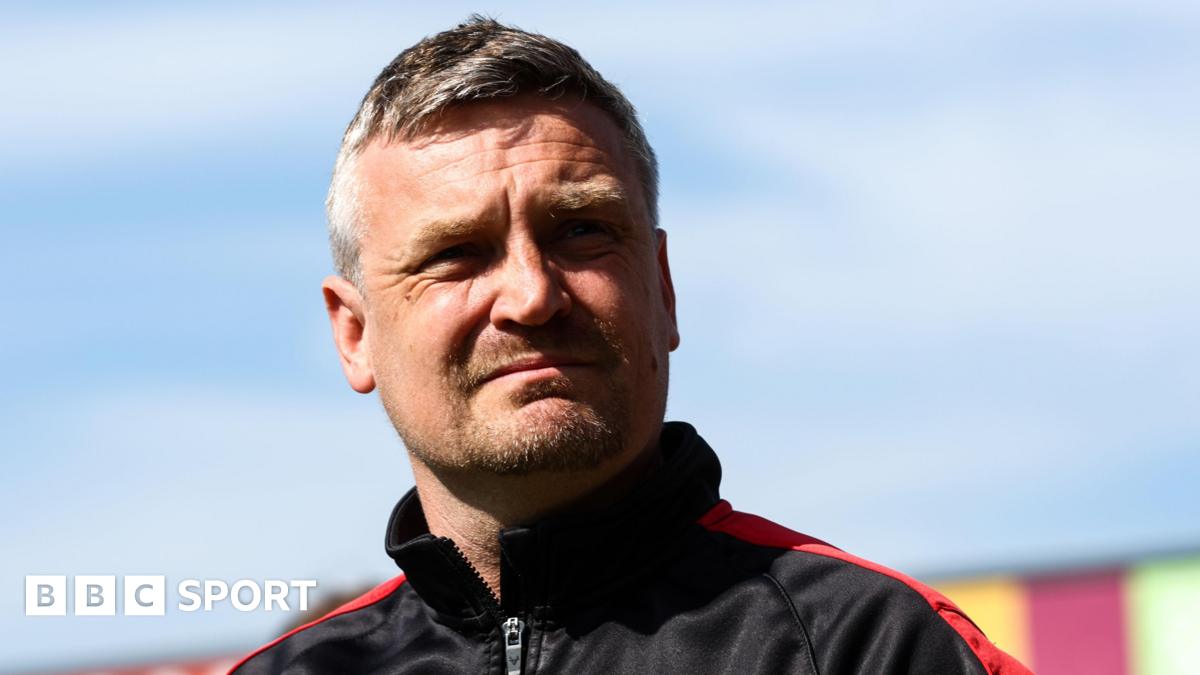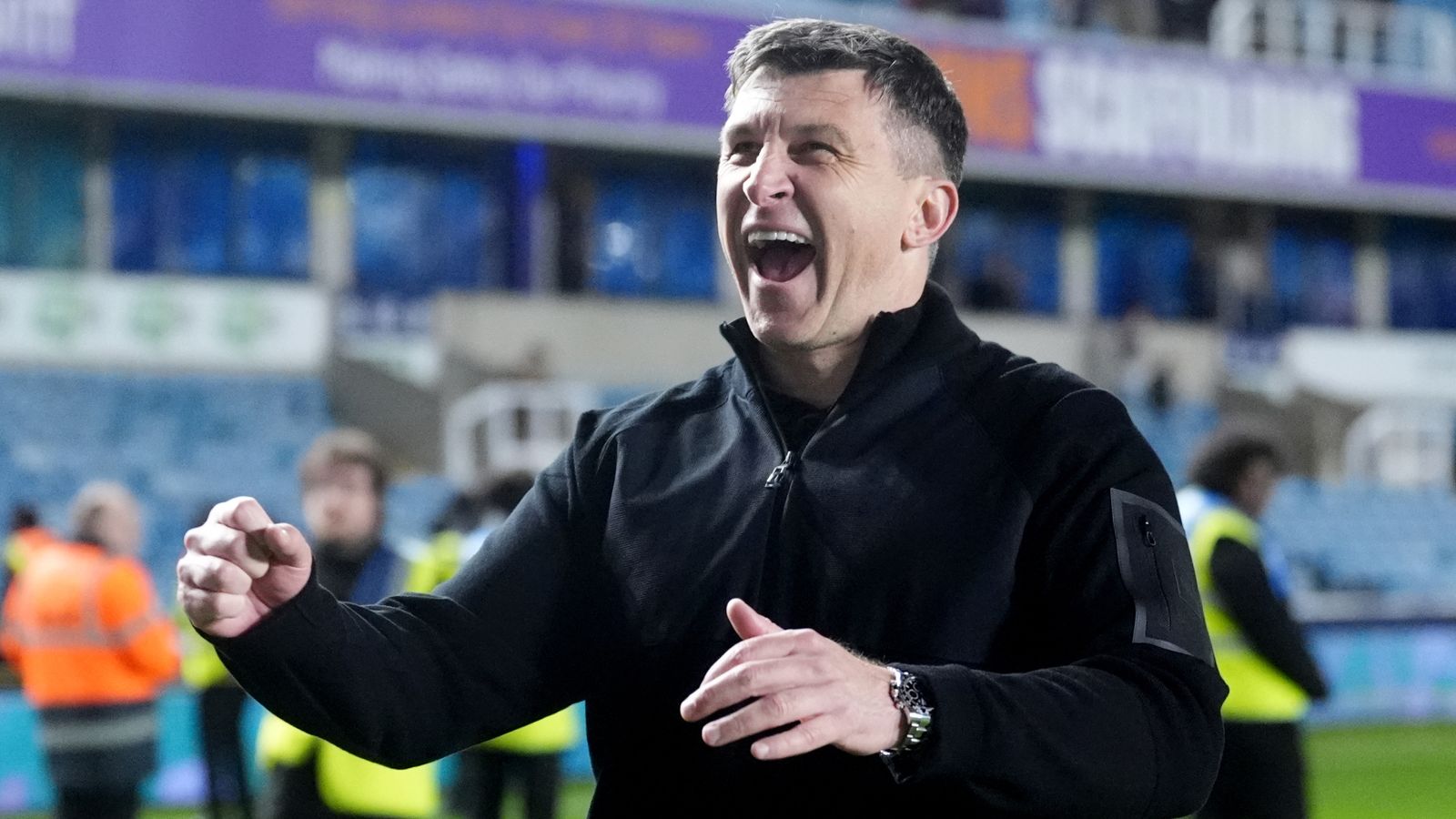
Sergej Jakirović is exhausted. You can hear it in the pitch of his voice when he speaks to the press. Ahead of the Championship playoff final, the Hull City manager was asked about the grueling 46-game season by Sky Sports. His response was delivered with a smirk, but it carried genuine exasperation.
"The best idea would have been to promote us!"
He is joking, mostly. But the underlying sentiment reflects a coach who genuinely believes his side has been the best footballing team in the division. He might be right about the aesthetics. Hull have played some breathtaking football over the past nine months. They dominate possession, they suffocate teams in the middle third, and their transitions are terrifying.
But aesthetics do not equal automatic promotion. Hull are at Wembley this weekend because of a systemic, repeatable flaw in their tactical setup. They drop points against bad teams. When faced with a mid-table side willing to sit in a deep block and surrender the ball, Jakirović’s machine breaks down entirely.
The illusion of possession
Look at the numbers from February and March. Hull routinely posted possession stats north of 65%. They camped in the opposition half. Their center-backs practically played as holding midfielders. But watch the actual game tape from those frustrating winter draws. The ball speed is agonizingly slow.
They circulate the ball in a rigid U-shape. Left-back to center-back, center-back to right-back, and back again. There is no central penetration. The wingers stay wide, hugging the touchline, waiting for an isolation opportunity that never materializes. The opposition full-back is always protected by a wide midfielder dropping deep to double up.
This is the problem with dogmatic positional play in the Championship. If you lack the elite isolation specialists found in the Premier League, you need automated passing rotations to break down a low block. Hull do not have those rotations. They rely entirely on individual brilliance in the final third. When that fails, they cross the ball aimlessly from deep areas. It is predictable, and frankly, it is boring to watch.
The fatal midfield void
The role of the holding midfielder in Jakirović's system demands near-perfection. He is expected to dictate the tempo, screen the center-backs, and cover the vast spaces left by the advancing fullbacks. It is a workload designed for a physical anomaly.
When the primary pivot player is caught slightly out of position, the entire structure collapses like a house of cards. Opposing teams have figured out that man-marking Hull's number six essentially neutralizes their buildup phase. The center-backs are forced to carry the ball forward. This inevitably triggers a disjointed pressing sequence from the opposition, forcing rushed decisions.
This is exactly where Hull lose control of the game state. They generate impressive shot volume, but the quality of chances plummets against organized defenses. In games where they dominate the ball, they often struggle to generate more than 0.84 xG from open play. That metric alone explains why they fell short of the automatic spots.
The pressing trap that worked too well
Where Jakirović excels is out of possession. Hull do not press high from opposition goal kicks. Instead, they drop into a compact mid-block and set a highly specific pressing trigger. They wait patiently for the opponent to play the ball into the fullback.
The moment that pass travels, the trap snaps shut. The near-side winger jumps to the fullback. The near-side central midfielder steps onto the opposition pivot. The striker cuts off the back-pass to the center-half. Suddenly, the opponent has two options. They can knock it long into the channel, or try a highly dangerous pass inside.
When teams try to play through this, Hull punish them severely. Their expected goals from high turnovers is the best in the league. But here is the irony. The better Hull became at executing this trap, the less effective it became.
Opposition managers watch video too. By March, nobody was trying to play through the Hull mid-block. Teams simply bypassed the midfield entirely, hitting long, diagonal balls toward their forwards. Jakirović refused to adjust his defensive line. He kept them high, demanding they win the second balls. When they did not, they were left totally exposed in transition.
A disastrous rest-defence
This brings us to the core tactical issue that will define their trip to Wembley. Hull's rest-defence is an absolute mess. When they are attacking in the final third, both fullbacks push aggressively high. The double pivot splits, with one midfielder dropping between the center-backs.
In theory, this provides a numerical advantage against two strikers. In practice, the spacing is disastrously wide. If the opposition wins the ball and plays one vertical pass through the center, Hull are completely bypassed. The distance between their wide center-backs and their remaining central midfielder is often fifteen yards.
That is an ocean of space for a competent number ten to exploit. We saw this exact scenario play out in their 3-1 defeat earlier this spring. They pushed bodies forward, lost the ball on the edge of the box, and were shredded by a single direct pass. Jakirović stood on the touchline furiously adjusting his glasses. But the tactical structure was to blame, not individual errors.
The set-piece deficit
Then there is the issue of set-pieces. In a league where marginal gains dictate promotion, Hull are woefully inefficient from dead-ball situations. They refuse to load the box for traditional out-swinging corners. Instead, they favor elaborate short-corner routines designed to shift the angle of attack.
These routines look spectacular on the training ground. In a crowded penalty area, they usually result in a blocked cross and an immediate counter-attack. A team hoping to win the playoff final must be able to score from a scruffy corner kick. Hull have shown zero capacity for this kind of ugly efficiency.
Game management failures
Jakirović's use of substitutions also leaves much to be desired. He operates on a rigid schedule rather than reacting to the game state. If Hull are chasing a goal, the first change always happens exactly on the hour mark. It is almost exclusively a like-for-like swap on the wings.
He rarely changes the shape to throw caution to the wind. He never sacrifices a defender for an extra attacker in the dying minutes. This predictability makes it incredibly easy for opposing managers to manage the final stages of a match. They know exactly who is coming on and exactly where they will play.
When you combine this static game management with their vulnerability to the counter, you have a recipe for late heartbreak. If Hull concede first at Wembley, they do not have the tactical levers to change the momentum. They will simply do the same things they did in the first half, just with slightly more urgency.
Predicting the final
They face a massive test at Wembley. The playoff final is notoriously tense, cagey, and decided by fine margins. Hull will dominate the ball. The opposition will gladly let them have it.
The pattern of the game is entirely predictable before a ball is even kicked. Hull will pass the ball side to side, struggling to break through the lines. They will commit more bodies forward in the second half. Their rest-defence will stretch. And then, the counter-attack will happen.
Wembley demands tactical flexibility. If the initial game plan fails, the manager must have a secondary option. Jakirović does not have a Plan B. If the short passes are not connecting, his solution is simply to execute the short passes better. He does not instruct his team to go direct to bypass the press.
This dogmatic adherence to a single philosophy is admirable in theory. It is deeply naive in a knockout scenario. The playoffs do not care about aesthetics.
Hull will lose this final. The opposition will defend deep, absorb the slow possession, and strike once on the break. Hull will walk away with the lion's share of possession, a high pass completion rate, and another season in the Championship. That is the reality of their tactical rigidity.
Read Next
- Why Boro and Hull at Wembley is the tactical battle we deserve
- The EFL's Spygate Sequel Is a Crisis of Its Own Making
- The Spygate Farce Repeats: Hull Are Right to Be Furious at a Toothless EFL
- Why the Hull vs Middlesbrough playoff final is a medical disaster
- 🏟 EFL Championship 2025-26 — Promotion Race & Play-Off Final Hub
- 🏆 FA Cup Final 2026 — May 16, Wembley