How Hull City Silenced The Den With Tactical Discipline

The Anatomy of an Ambush
There are victories, and then there are statements. At a roaring, hostile Den, packed to the rafters with a crowd baying for Premier League blood, Hull City produced the latter. Their 2-0 triumph over Millwall in the Championship play-off semi-final second leg was not a smash-and-grab, nor was it a lucky break. It was a cold, calculated dismantling of a team and its fortress, built on a foundation of tactical intelligence and executed with a composure that belied the stakes.
Millwall's home ground is a tactical element in itself. The noise, the aggression, the sheer proximity of the fans to the pitch is designed to induce panic and force errors. Visiting teams are supposed to shrink, to rush their clearances, to second-guess their passes. Hull did the opposite. They used the predictable chaos as a backdrop for their own disciplined structure, turning Millwall's greatest weapon into an irrelevant sideshow.
Weathering the Initial Barrage
As expected, Millwall started like a house on fire. The first fifteen minutes were a blur of long balls, aggressive pressing, and aerial bombardments aimed at unsettling Hull’s backline. The noise was ferocious. Every tackle, every throw-in was met with a guttural roar. This is the period where many teams crumble at The Den. They get dragged into a fight they cannot win, a chaotic scrap defined by second balls and raw emotion.
Hull’s manager had clearly prepared them for exactly this. Instead of panicking, the defensive shape was impeccable. The back four held a deep line, reducing the space in behind for Millwall’s runners. The two central defenders were immense, winning header after header, meeting the physical challenge without getting drawn into needless fouls. They refused to be bullied. Crucially, the clearances were not just hopeful punts; they were directed into areas where Hull’s midfielders could challenge or into the channels to give their own backline a moment to breathe and reorganise.
The midfield shield was just as important. Operating in a compact block, they screened their defence perfectly, forcing Millwall’s creators into wide areas. The passing lanes into the forwards were consistently blocked, meaning the home side’s possession was sterile and predictable. They could have the ball on the wings, they could launch it into the box, but the central corridor—the area where games are won and lost—was firmly shut. This defensive solidity wasn't passive; it was an active strategy to absorb and frustrate.
The Midfield Pivot and The First Cut
After twenty-five minutes of this disciplined absorption, the game began to turn. The Den's roar softened to a murmur of frustration. Millwall’s attacks became more desperate, their pressing less coordinated. This was the trigger. Hull’s midfielders, who had been focused on defensive duties, began to assert themselves. They started winning the second balls they had planned for, and with the space opening up, they began to play.
The first goal, when it came, was a perfect illustration of the game plan. It began not with a moment of magic, but with a simple, effective interception on the halfway line. As Millwall pushed forward, a misplaced pass was picked off. Instantly, Hull transitioned from defence to attack. The ball was moved quickly to the right winger, who had held his position, trusting that the turnover would come. He drove inside, drawing two defenders towards him and creating an overload.
That subtle movement created the decisive gap. His through-ball was perfectly weighted, angled between Millwall’s left-back and centre-back, into the path of the striker making a sharp, diagonal run. The striker’s first touch was calm, his second clinical, as he slotted the ball low past the advancing goalkeeper. It was a goal born of patience and precision, and it silenced the stadium. The score was 1-0 on the night, and Hull had a precious aggregate lead.
Exploiting the Desperation
The second half forced Millwall’s hand. They had to chase the game, and in doing so, they had to abandon the very structure that made them so difficult to play against. They pushed more men forward, they took more risks, and they left vast, open spaces behind their defensive line. For a team like Hull, built to counter, it was the perfect scenario.
Hull did not retreat into a defensive shell. Instead, they held their shape and waited for the inevitable mistake. It came with about twenty minutes left to play. A loose touch from a Millwall midfielder in Hull’s half was pounced upon. One look up was all it took. A single, incisive pass bypassed Millwall's entire midfield, sending Hull's forward racing into acres of green space. With the home defence scrambling to get back, he showed immense composure, rounding the keeper and rolling the ball into the empty net for a 2-0 lead.
This goal was the nail in the coffin. It was a testament to fitness, concentration, and a ruthless exploitation of an opponent's desperation. Where other teams might have sat back and invited pressure, Hull remained alert to the possibility of a knockout blow, and when the moment arrived, they delivered it without hesitation.
A Moment of Concern
The performance was not, however, flawless. For all their tactical superiority, there was a brief, worrying period following the second goal where Hull switched off. Complacency is a danger when a result feels secure, and for a five-minute spell, they became sloppy in possession. A lazy back-pass put their goalkeeper under needless pressure, forcing him to slice a clearance out for a corner.
From that resulting set-piece, a Millwall player was afforded a free header inside the six-yard box. He sent it over the bar, a glaring miss that Hull was fortunate to get away with. On another day, against a more clinical opponent, that goal could have sparked a frantic final ten minutes and set up a nervous finish. It served as a minor but important reminder that ninety-minute concentration is non-negotiable, especially with a Wembley final on the horizon. The manager will have undoubtedly taken note of that lapse.
A Blueprint for Wembley
In the end, this was a victory of brain over brawn, of strategy over sentiment. Hull City arrived at one of English football's most intimidating venues not with fear, but with a plan. They respected the emotional power of the stadium but refused to be consumed by it. They defended with intelligence, transitioned with speed, and finished with a clinical edge.
They demonstrated that the best way to quiet a hostile crowd is not to engage them, but to methodically take their team apart on the pitch. It was a performance of immense maturity. As they head to Wembley, they will carry with them the confidence that comes from having faced down the fire and emerged completely unscathed. Their opponent in the final will have watched this display and seen a team that is not just talented, but tactically astute and mentally formidable.
Read Next
- Millwall vs Hull: 90 minutes from Wembley and playoff chaos
- Millwall and Hull are staring down the barrel of a nervy play-off decider
- Why modern football spying culture is getting embarrassing
- Southampton’s playoff future is dangling by a thread over a bush
- 🏟 EFL Championship 2025-26 — Promotion Race & Play-Off Final Hub
adidas Tiro 23 League Training Pants
The iconic, streamlined soccer pants upgraded for modern comfort.
More Coverage

Michael Skubala takes the hot seat at Ashton Gate
6 hours ago
Hull City's Premier League rise is built on pure chaos
1 day, 6 hours ago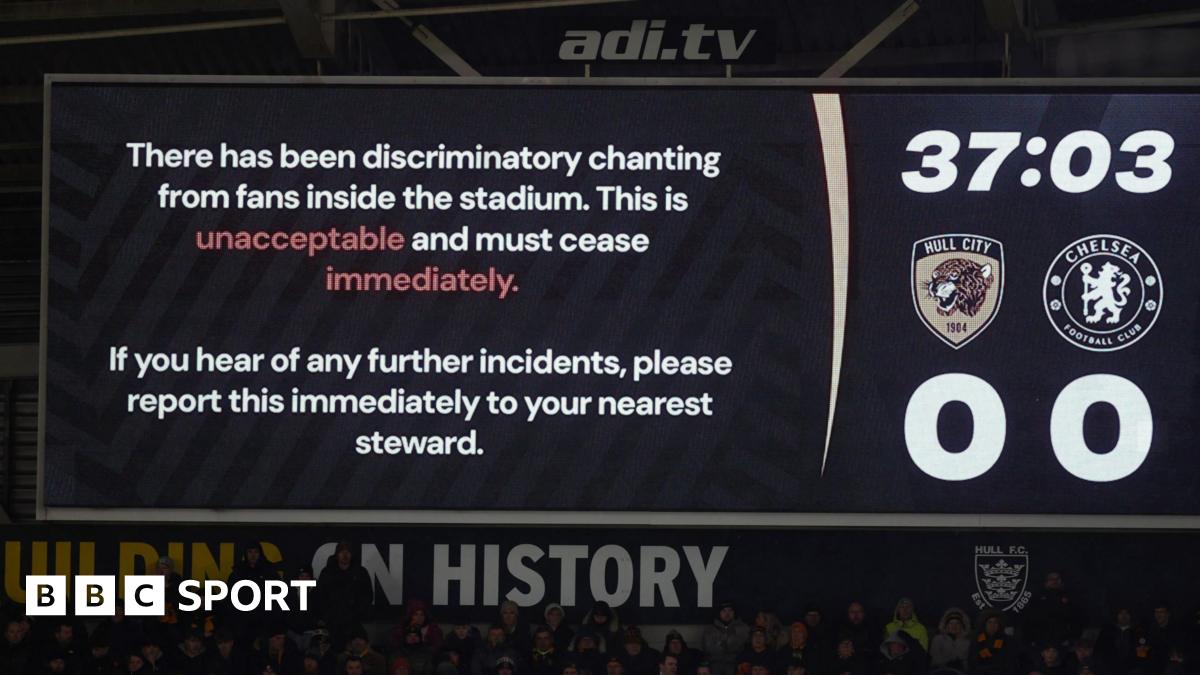
The FA Cup disciplinary crisis is masking deeper issues
1 day, 8 hours ago
Bournemouth are actually keeping Tommy Elphick
1 day, 15 hours ago
West Ham's post-relegation malaise is just beginning
2 days, 12 hours agoSergej Jakirović is failing upward and he is not going to apologize for it
3 days, 2 hours agoMore Analysis

Millwall and Hull are staring down the barrel of a nervy play-off decider
2 weeks, 3 days ago
Why Hull City’s tactical rigidity will cost them the Playoff Final at Wembley
1 week, 1 day ago
Millwall vs Hull: 90 minutes from Wembley and playoff chaos
2 weeks, 3 days ago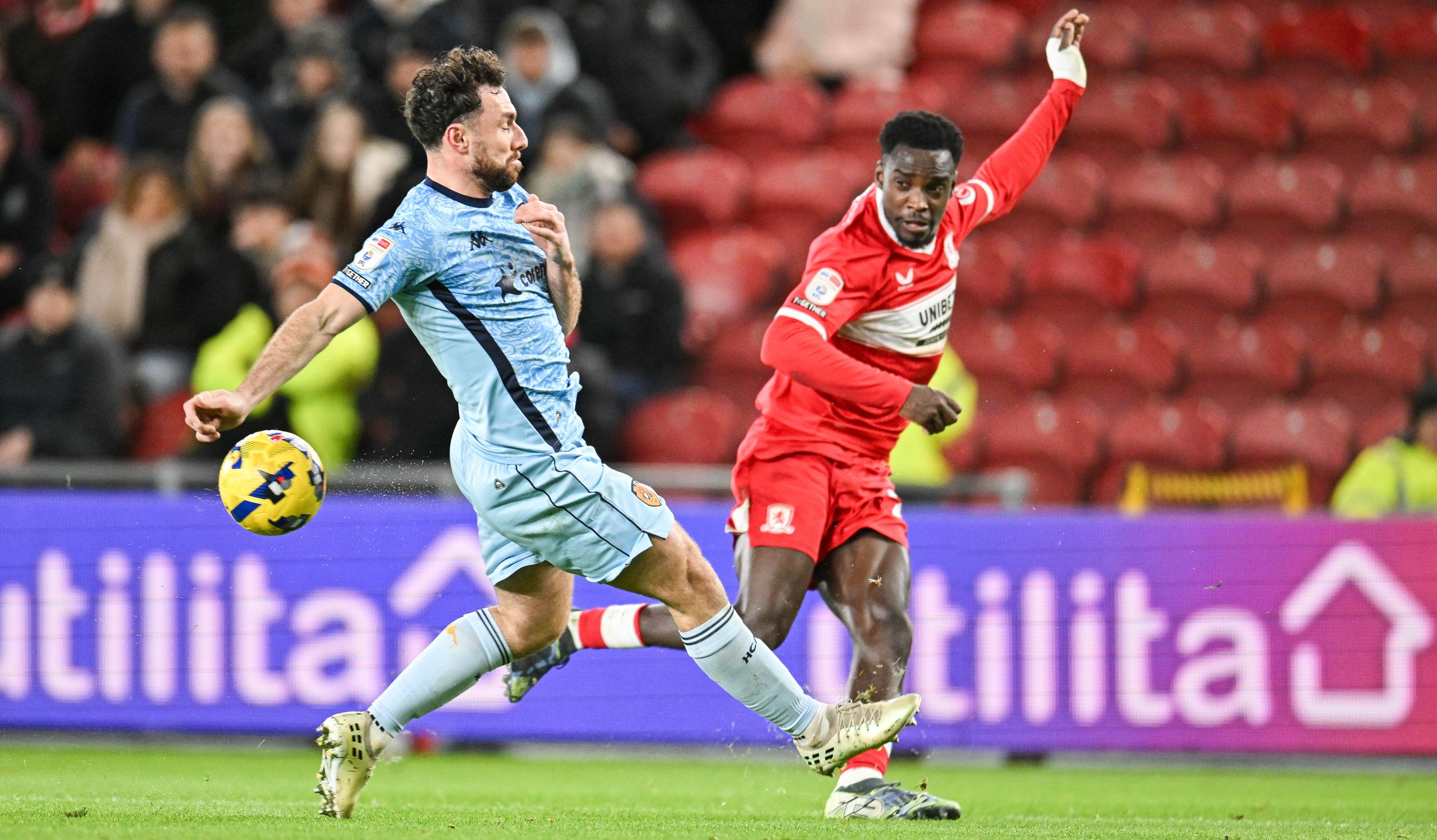
Why Hull City have the tactical edge in Wembley's surreal play-off final
6 days, 8 hours agoMiddlesbrough's reinstatement has set them up to overrun Hull at Wembley
6 days, 12 hours ago