The Big Picture
The gatekeepers are gone, and the keys have been handed to the guys in the bedrooms. Football media is no longer a top-down hierarchy of suits and mahogany desks; it is a chaotic, decentralized brawl for attention where a YouTuber’s reaction carries more weight than a broadsheet’s back page. We are witnessing the final merger of legacy prestige and digital dominance, and it is making everyone very uncomfortable.
10. The Launch of 'Stick to Football'
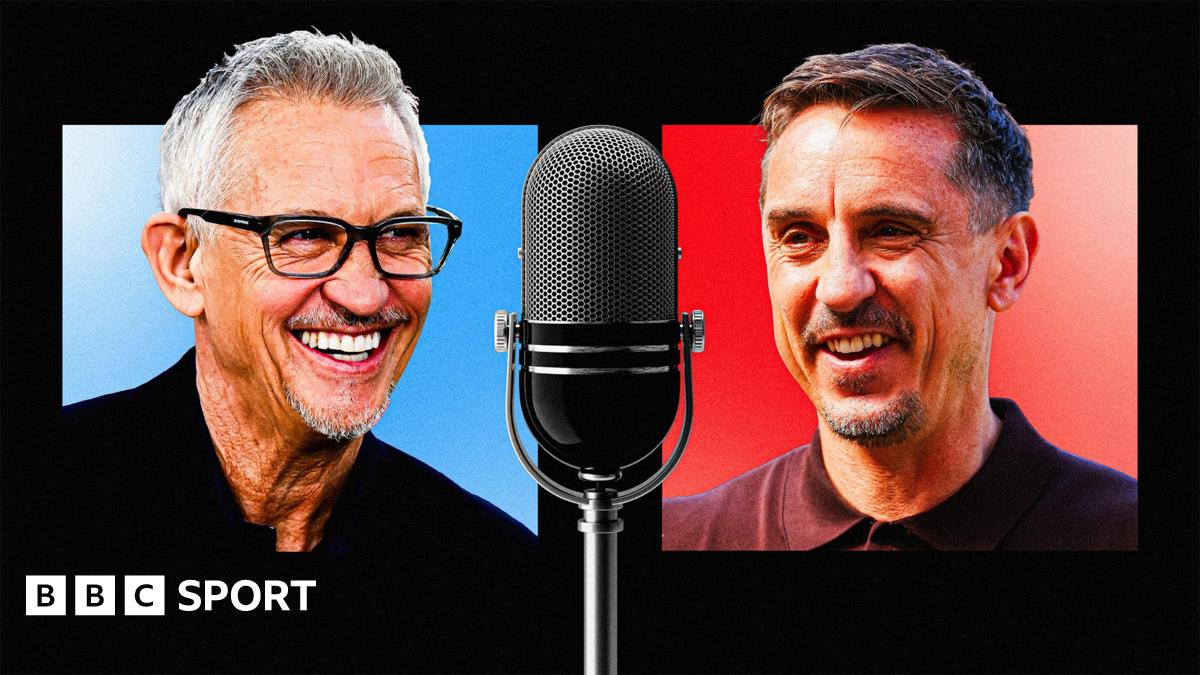
When Gary Neville launched his roundtable format on The Overlap, he essentially admitted that Sky Sports’ rigid format was dying. By bringing in Roy Keane, Ian Wright, and Jill Scott to sit in a casual setting with coffee cups, he mimicked the long-form podcast style that had been eating his lunch for years. It worked because it felt human, but it also signaled the beginning of the end for the three-minute post-match soundbite. This was the first time a 'Proper Football Man' successfully colonized the digital space without looking like a dinosaur trying to use a smartphone. It ranks here because it set the template for the corporate-digital hybrid we see everywhere in 2026.
9. The Rise of the 'Tier 1' Transfer Specialist
There was a time when you waited for the 10 p.m. news or the morning paper to find out if your club signed a striker. Then came the era of Fabrizio Romano and the 'Here We Go' catchphrase, which turned the transfer market into a 24/7 dopamine hit. This moment matters because it destroyed the monopoly of local newspapers on club news. Now, a kid in Milan has more info on Manchester United’s budget than the guy who has covered the team for forty years. It ranks ninth because while it’s efficient, it has also turned football into a never-ending soap opera where the actual games feel like an interruption to the transfer window.
8. The Super League 'Legacy Fan' Leak
In April 2021, the term 'legacy fan' was leaked during the European Super League launch, and it changed the relationship between clubs and supporters forever. This wasn't just a business mistake; it was a mask-off moment for the elite. The media coverage that followed wasn't led by the BBC, but by fan-led protests organized on social media that forced the mainstream outlets to follow their lead. It showed that the fans, not the broadcasters, held the moral high ground. It’s an essential moment because it proved that digital sentiment can move Billion-dollar needles in real-time. This ranking reflects its status as the ultimate catalyst for fan-owned media growth.
7. Ben Foster’s GoPro in the Goal
When Ben Foster started putting a camera in his net during his time at Watford and Wrexham, the Premier League panicked. They realized they couldn't control the narrative if the players were the ones filming the content. This moment was the first major crack in the wall of broadcast exclusivity. Fans didn't want the polished, high-definition replay; they wanted the sweaty, swearing, first-person view of a striker bearing down on goal. It ranks seventh because it forced every club in the country to rethink their social media strategy. It was a tactical victory for the players over the suits, even if the league eventually tried to legislate it out of existence.
6. The Death of the 'Neutral' Pundit
The moment Jamie Carragher and Gary Neville stopped pretending to be unbiased was the moment football media became honest. Fans realized they didn't want a neutral observer; they wanted someone who felt the same misery they did on a Saturday afternoon. This shift toward 'partisan punditry' paved the way for the fan-channel boom we see today. It ranks here because it changed the job description of a broadcaster. You are no longer paid just to analyze a 4-4-2; you are paid to be a character in the narrative. This trend has led to better entertainment but significantly worse tactical analysis, which is a trade-off we are still debating in 2026.
5. AFTV and the Monetization of Misery
The peak years of Robbie Lyle’s AFTV (formerly ArsenalFanTV) proved that a club's failure was more profitable than its success. Watching grown men have meltdowns outside the Emirates became a global spectator sport that rivaled the actual matches. This moment changed the industry because it taught creators that 'the rant' was the most valuable currency in the game. It ranks in the top five because it created an entire economy of fan-led negativity that clubs still struggle to manage. Critics argue it’s toxic, but with over 100 million views during the late Wenger era, the numbers suggested the audience didn't care about ethics. It was raw, it was ugly, and it was undeniably effective.
4. Lionel Messi’s Inter Miami 'Vibe' Shift
When Messi moved to MLS, the media coverage didn't focus on his goals as much as his grocery shopping trips and celebrity handshakes. This was the moment football media became 'lifestyle content' first and sports reporting second. Apple TV’s broadcast style prioritized the spectacle over the scoreline, catering to a global audience that cared about the brand of Messi more than the history of the league. It ranks fourth because it was the successful blueprint for how the 2026 World Cup is currently being marketed. It’s a cynical move that treats football as a background for celebrity culture, and while it brings in money, it feels like the soul of the sport is being sold for a higher engagement rate.
3. The First All-Streaming Premier League Weekend
The shift away from traditional satellite dishes to 100% streaming was a logistical nightmare that changed how we consume the sport. No more channel hopping; just a series of apps, lag times, and subscription tiers. This moment matters because it priced out a generation of fans while claiming to be 'more accessible.' It ranks third because it was the final nail in the coffin for the '3 p.m. blackout' mentality. We are now in an era where every second of football is a trackable data point for an advertiser. It is technically impressive but lacks the communal feeling of everyone watching the same screen at the same time.
2. The 2026 World Cup's Social-First Strategy
As we approach the kickoff in June, the decision to prioritize TikTok and vertical video over traditional 4K broadcasts for the 'Gen Alpha' demographic is a massive gamble. We are seeing highlights being released while the ball is still in the air. This moment represents the total surrender of the 90-minute match to the 15-second clip. It ranks second because it is the largest scale experiment in the history of sports media. If the 48-team format succeeds, it will be because of the 'influencer' army FIFA has hired, not the quality of the football on the pitch. It is a terrifying glimpse into a future where the game is just a source for memes.
1. The Overlap Acquires Mark Goldbridge
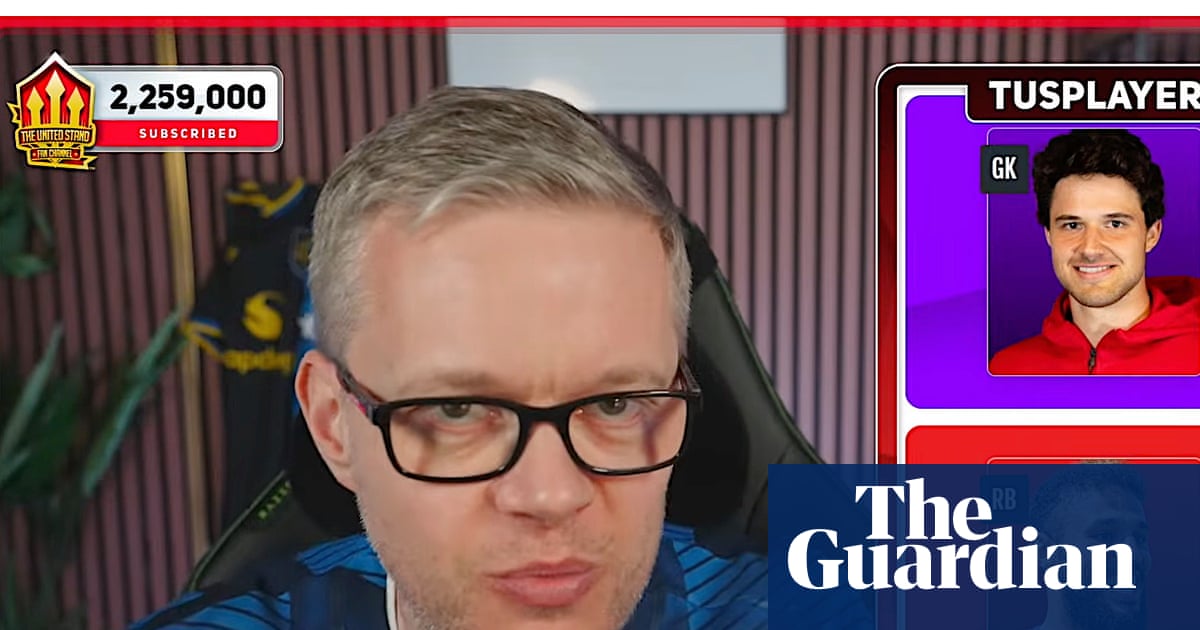
Today’s news that Gary Neville’s media group has acquired Mark Goldbridge’s channels is the ultimate moment of convergence. Neville, who once famously dismissed 'those bloody YouTubers,' has now spent a seven-figure sum to own the biggest one of them all. This is the official end of the war between the professional and the amateur. By acquiring a network with 3.7m subscribers, Neville has admitted that the traditional media model can no longer survive without the 'fan-cam' energy it once looked down upon. It ranks number one because it is a total surrender by the establishment. It’s a brilliant business move, but it’s also a bit sad. The rebel has been bought by the very person he used to parody, and the line between 'expert' and 'influencer' has been erased for good.
Honorable Mentions
We almost included the 2024 launch of the 'Player Mic' trials, which gave us too much information and ruined the mystique of the pitch. The BBC’s brief experimentation with AI-generated commentary in 2025 also deserves a shoutout for being a spectacular failure that everyone hated. Finally, the rise of the 'Transfer Deadline Day' live-streamed as a festival event in London is a moment of pure capitalistic madness that we simply couldn't ignore, even if it ranks just outside the top ten. Football media is a mess, but at least it isn't boring.