The Carrick shift is about geometry, not just vibes
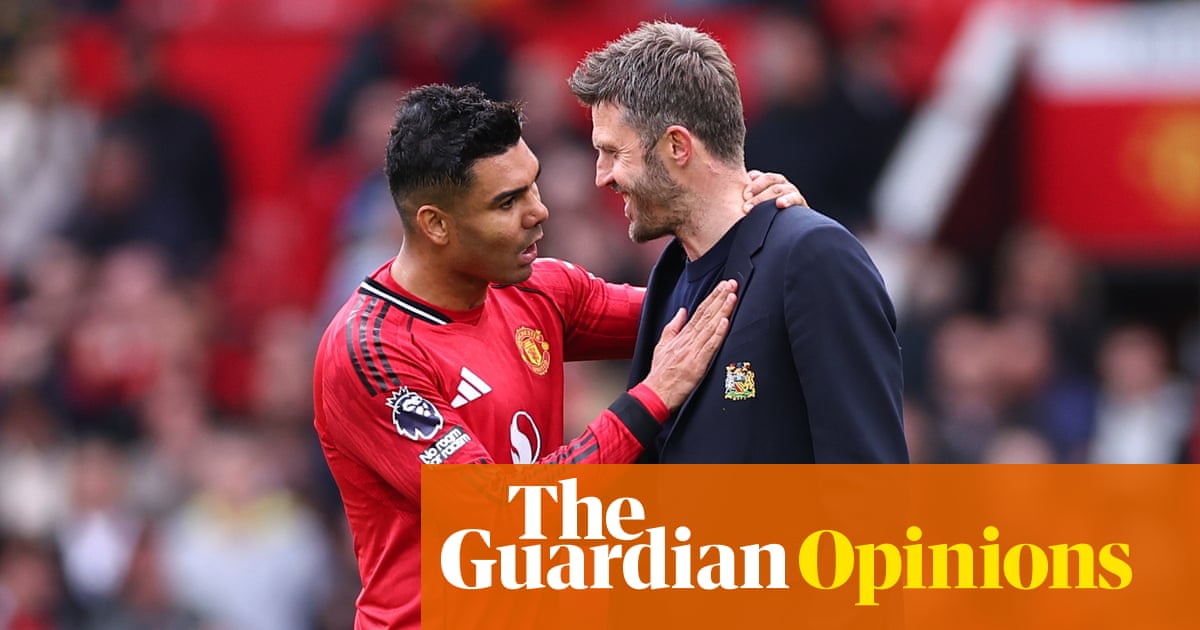
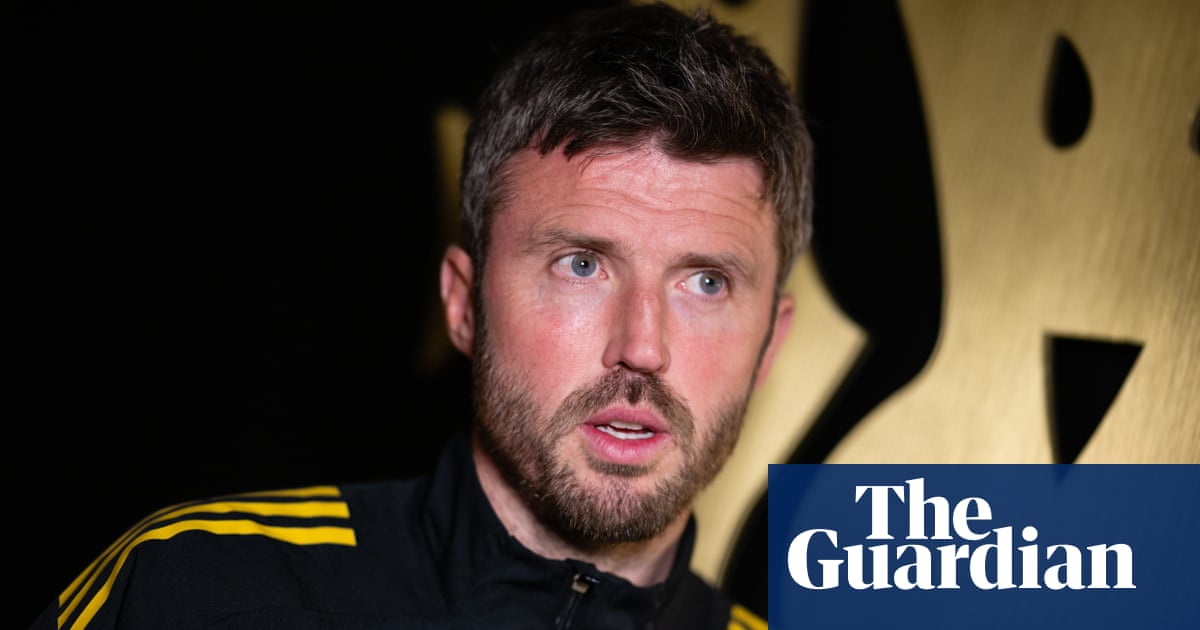
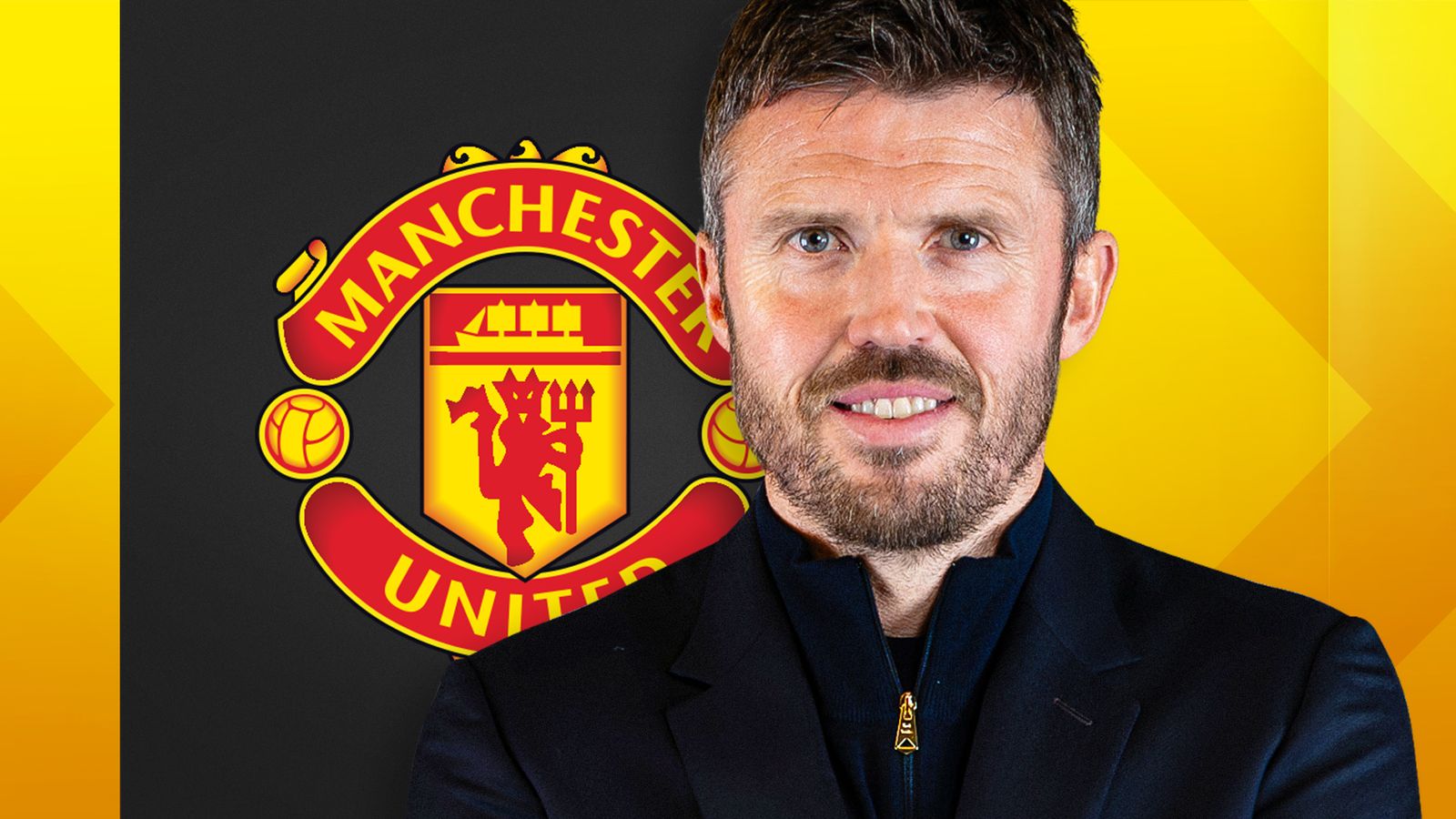
For the better part of three seasons, Manchester United has looked like a team playing in a perpetual state of transition. Whether it was the high-wire act of the previous regime or the fragmented chaos of the early autumn, the tactical identity was as blurry as a mid-winter Manchester fog. Then came Michael Carrick. Stepping in as interim, he didn't just 'steady the ship'—a phrase that belongs in the graveyard of lazy punditry. He fundamentally rewrote the spatial requirements of the United midfield.
If you watched the 2-0 win over Everton last Saturday, you saw the blueprint. United didn't just win; they controlled. Under the previous tactical setup, the distance between the center-backs and the defensive midfielders often stretched to 30 yards, leaving a canyon for opposition number 10s to exploit. In just four games, Carrick has compressed that space. The vertical distance between the lines is now a disciplined 12 to 15 meters, forcing opponents to play around the block rather than through it. It is the kind of quiet, mathematical improvement that defined Carrick as a player, and it is precisely why Gary Neville is now beating the drum for a permanent appointment.
The impact on Kobbie Mainoo, now 20 and the undisputed heartbeat of this side, has been transformative. Carrick has moved Mainoo five yards further forward, offloading the dirty work of screening the back four to a rejuvenated Manuel Ugarte. This has allowed Mainoo to operate in the half-spaces where his peripheral vision can actually hurt teams. Last week, Mainoo completed 94 percent of his passes in the final third, a career-high that suggests Carrick isn't just coaching; he's translating his own elite-level understanding of tempo to the next generation.
The Neville narrative and the month of destiny
Gary Neville’s comments on Sky Sports have shifted the conversation from 'if' to 'when.' As Sky Sports reported, Neville believes Carrick could be the permanent boss within a month. This isn't just Neville looking out for a former teammate; it’s a recognition that the market for elite managers is currently a desert. With the 2026 World Cup just 59 days away, many of the world's top tactical minds are locked into national team commitments. United could spend 100 million pounds on a buyout for a big name, or they could look at the man who has already fixed their xG against numbers in less than 30 days.
The defensive floor has finally been raised
United’s biggest problem for years hasn't been scoring; it’s been the 'basketball' nature of their matches. They would attack, lose the ball, and immediately face a four-on-two counter-attack. Carrick has introduced a 'rest defense' that actually functions. When United are in possession, the full-backs no longer bomb forward simultaneously. Diogo Dalot has been instructed to tuck inside, forming a temporary back three during the build-up. This insurance policy has seen United’s xG conceded drop from 1.8 per game to a stingy 0.92 per game under Carrick's brief tenure.
It is tactical pragmatism at its finest. Carrick isn't trying to reinvent the wheel; he's just making sure the wheels don't fall off every time United lose possession in the middle third. By prioritizing the central corridor, he has neutralized the quick-strike transitions that used to embarrass this club on a weekly basis. Even Andre Onana looks more relaxed, largely because he’s no longer facing 15 shots per game from point-blank range.
The critical flaw: Is this just another Solskjær trap?
However, we must address the elephant in the room. We have been here before. The 'he knows the club' narrative is a dangerous narcotic for Manchester United fans. Every time an interim manager finds a bit of form, the board begins to salivate at the prospect of a cheap, popular appointment. But Carrick is not Ole Gunnar Solskjær. While Ole relied on individual brilliance and the 'United Way' spirit, Carrick is implementing a rigid, modern positional system that shares more DNA with Xabi Alonso’s Leverkusen or Mikel Arteta’s Arsenal than it does with the 1999 treble winners.
The risk is not Carrick’s coaching; it is the club’s infrastructure. If United appoint him permanently 'within a month' as Neville suggests, they must also commit to a sporting director who shares his vision. Appointing Carrick without a long-term recruitment strategy centered on technical, high-IQ midfielders would be a repeat of the same structural mistakes that have plagued the post-Ferguson era. There is a worrying lack of clarity regarding the summer budget, and if Carrick is handed the job simply because he is the 'easy' choice, he might find himself set up to fail by August.
What to watch for in the final push
With the UCL Quarter-Finals Leg 2 looming tomorrow—though United aren't in that particular dance this year—the focus is entirely on domestic stability. The goal is simple: secure Champions League football for next season and convince the board that this tactical shift isn't a fluke. Watch for how Rasmus Hojlund is being used. Under Carrick, Hojlund is no longer expected to chase lost causes in the channels. He is staying between the width of the penalty box, acting as a focal point for the inverted wingers. This narrowing of his role has seen him score in three consecutive matches for the first time this season.
The upcoming fixtures are a gauntlet. If Carrick can navigate the next four games without a defensive collapse, the 'interim' tag will become an insult. The players are clearly responding to a manager who speaks their language—the language of modern, high-speed, possession-based football. The days of 'vibes' are over; the era of the analyst-coach has arrived at Carrington.
The Verdict
United should stop overthinking this. The elite managerial market is stagnant, and Carrick has shown more tactical flexibility in four weeks than his predecessor showed in two years. He has fixed the midfield spacing, unlocked the club’s most expensive young assets, and restored a sense of defensive dignity that has been missing since the pandemic era. The board needs to act before another club realizes that one of the brightest tactical minds in Europe is currently working on a month-to-month contract.
My prediction: Carrick signs a three-year deal before the FA Cup Final on May 16. He has earned the right to lead this overhaul, not because he played for the badge, but because he’s the first manager in a decade who understands how to manage the space on the pitch as well as the egos in the dressing room. Expect a professional, calculated end to the season. The chaos is finally receding.